

Yes, you can usually drink coffee before an abdominal ultrasound, but it depends on the specific organ being examined. If your ultrasound targets the gallbladder, pancreas, or liver, your doctor will likely ask you to fast for 6 to 8 hours beforehand. That means no coffee, no food, and often only small sips of water. For other types of abdominal scans, like a kidney ultrasound, black coffee might be allowed. The safest approach is to follow the specific instructions your imaging center gives you, because drinking coffee when you are supposed to fast can blur the images and force you to reschedule.
Why Does Fasting Matter for an Abdominal Ultrasound?
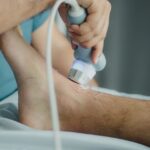
Ultrasound uses sound waves to create pictures of your organs. Sound waves travel differently through fluid, tissue, and air. When there is food or gas in your stomach and intestines, it blocks the sound waves. This creates shadows on the image that hide the organs behind them.
The gallbladder is especially sensitive. After you eat or drink anything with calories, your gallbladder contracts and releases bile. Once it empties, it becomes small and hard to see. A contracted gallbladder can hide gallstones or other problems. That is why doctors want it full and relaxed during the scan.
The liver and pancreas are also harder to examine after eating. Digestion changes blood flow and organ size. Fasting keeps these organs in a steady, baseline state, which gives the technician the clearest possible view.
What Does a Standard Abdominal Ultrasound Fast Include?
Most imaging centers ask you to fast for 6 to 8 hours before the test. Some ask for 12 hours for very detailed pancreas studies. During this time, you should avoid all food and all beverages except plain water.
The rules for water vary by facility. Many centers allow small amounts of plain water. Others ask you to avoid water completely for a few hours before the scan. This is because a full stomach or bladder can sometimes block the view of other organs.
Clear liquids like black coffee, tea, or juice are generally not allowed during a standard fasting period. Even though black coffee has no calories, it still stimulates your stomach and digestive tract. It can cause your stomach to produce acid and your intestines to produce gas. Both of these can interfere with the image quality.
Can I Drink Coffee for a Kidney or Bladder Ultrasound?
Kidney ultrasounds are different. They usually do not require fasting. You may be asked to drink several glasses of water before the test and hold your urine. A full bladder pushes the kidneys and bladder up into a better position for imaging.
If your doctor only ordered a kidney ultrasound, black coffee in the morning is probably fine. Caffeine is a mild diuretic, which means it makes you urinate more. This can make it harder to hold a full bladder. If you are asked to arrive with a full bladder, drinking a glass of water instead of coffee is the safer choice.
Some scans combine multiple organs. A complete abdominal ultrasound often checks the liver, gallbladder, pancreas, spleen, kidneys, and aorta all at once. If your order says “complete abdominal ultrasound,” the fasting rules apply to the whole scan. You cannot drink coffee just because one part of the scan does not need fasting.
What Happens If I Drink Coffee Before a Fasting Ultrasound?
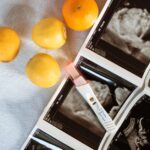
If you drink coffee before a gallbladder ultrasound, the scan may not work. The gallbladder will likely be contracted and difficult to measure. The technician may see it, but the images may not be reliable enough for your doctor to make a diagnosis.
In that case, you will be asked to reschedule. You will need to come back on another day and repeat the entire fasting period. This is frustrating, but it is the only way to get clear images.
Sometimes the technician can still complete parts of the scan. They may be able to see your kidneys or spleen even if your gallbladder is not visible. But if the ordered test specifically checks the gallbladder, the study is incomplete without it.
Does Decaf Coffee Count as Fasting?
Decaf coffee still counts as breaking your fast. It contains water and plant compounds that stimulate digestion. Even without caffeine, decaf coffee can cause your stomach to produce acid and your intestines to produce gas.
The goal of fasting is not just to avoid caffeine. It is to keep your digestive system completely quiet. Any beverage other than plain water can trigger a response. That response can create air or cause organ movement that degrades the image.
If you are unsure whether a sip of coffee will ruin the scan, treat it as a yes. A single sip of coffee is enough to contract the gallbladder in some people. It is not worth the risk of rescheduling.
What Can I Eat or Drink Before an Abdominal Ultrasound?
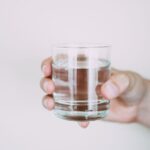
During a standard fasting period, plain water is the only safe option. Some centers allow you to drink water up to two hours before the scan. Others ask you to stop all fluids one hour before. Follow the exact instructions given to you by the imaging center.
You should also avoid gum, mints, and hard candy. Chewing and sucking trigger the same digestive responses as eating. Even sugar-free gum can cause your stomach to produce acid and your intestines to produce gas.
Smoking is also discouraged before an abdominal ultrasound. Nicotine stimulates the digestive tract and can cause the stomach to fill with air. If you smoke, try to wait until after the scan is complete.
What If My Doctor Said I Can Take My Medications?
Most medications can be taken with a small sip of water during a fasting period. This includes blood pressure pills, thyroid medication, and daily vitamins. The water should be just enough to swallow the pill, not a full glass.
If you take medication that requires food, ask your doctor for specific advice. Do not stop taking prescribed medication without talking to your doctor first. Missing a dose of a critical medication is usually more dangerous than a slight delay in your ultrasound.
If you take medication for diabetes, your fasting period needs extra planning. Your blood sugar may drop while you are not eating. Talk to your doctor about how to manage your medication timing around the fast.
How Do I Prepare for an Abdominal Ultrasound the Night Before?
Eat a light, low-fat dinner the night before your scan. Fatty foods take longer to digest and can leave residue in your stomach. A simple meal of lean protein, vegetables, and rice is a good choice.
Avoid carbonated drinks, beans, broccoli, and other gas-producing foods the evening before. Gas in your intestines will still be present the next morning. It can block the sound waves just like food can.
Plan your morning so you can arrive at the imaging center without rushing. Stress and anxiety can also affect digestion. Give yourself extra time to get there and check in.
What Questions Should I Ask Before My Ultrasound?
When you schedule your ultrasound, ask the receptionist or scheduling nurse these questions:
- How many hours should I fast before the test?
- Can I drink water during the fasting period?
- Can I take my morning medications with water?
- What time should I stop eating and drinking the night before?
Write down the answers and follow them exactly. If the instructions are unclear, call back and ask again. It is better to ask twice than to show up unprepared.
Frequently Asked Questions
Can I drink a small sip of coffee before an abdominal ultrasound?
No, even a small sip of coffee can contract your gallbladder and create gas, which ruins the image quality. If your scan requires fasting, avoid coffee completely.
Can I drink black coffee before a kidney ultrasound?
Black coffee is usually allowed before a kidney-only ultrasound because this scan does not require fasting. However, caffeine makes you urinate, which can make it hard to hold a full bladder if one is required.
Can I drink water before an abdominal ultrasound?
Most centers allow small amounts of plain water during a fasting period, but some ask you to avoid all fluids. Follow the exact instructions from your imaging center.
How long do I need to fast before an abdominal ultrasound?
Most centers require a fast of 6 to 8 hours before the scan. Some detailed pancreas studies may require up to 12 hours. Your imaging center will give you the exact time.
