
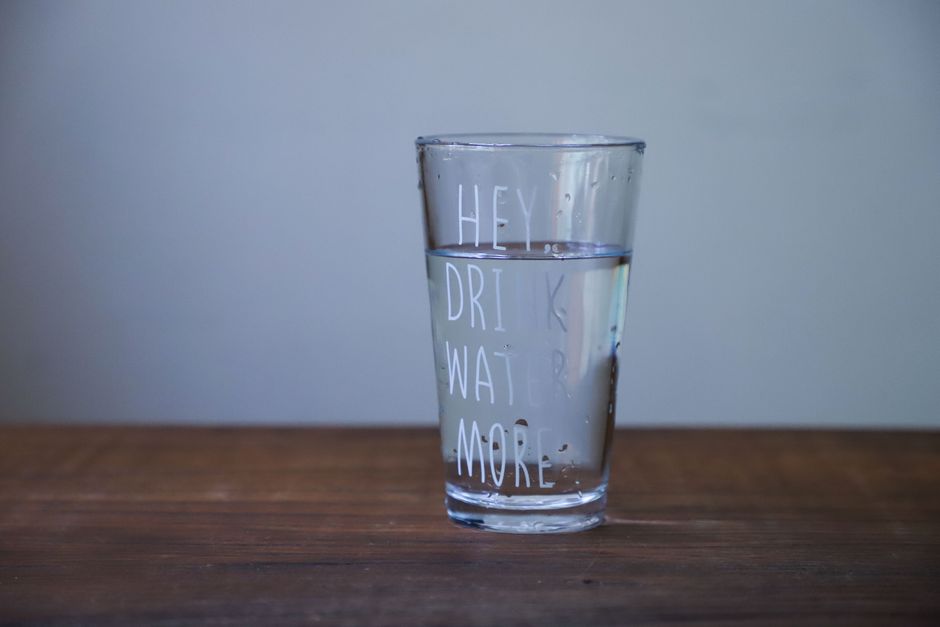
Most healthy adults need between 11.5 and 15.5 cups of fluid a day from water and food combined, but your exact number depends on your body size, activity level, and climate. A simple starting point is to divide your body weight in pounds by two and drink that many ounces of water daily, then adjust based on thirst, sweat, and urine color.
How Much Water Should I Drink A Day Calculate It?
There is no single number that works for everyone. The old advice to drink eight 8-ounce glasses a day is a memorable guideline, not a scientific standard. Your daily water need is personal and shifts with your environment and habits.
A practical formula many clinicians use as a starting estimate: take your weight in pounds, divide by two, and aim for that number in fluid ounces. A 150-pound person would start at 75 ounces, which is about 9.4 cups. A 200-pound person would aim for 100 ounces, or 12.5 cups.
This formula gives you a baseline. It does not account for exercise, heat, or medical conditions. Use it as a starting point and then fine-tune based on the signals your body sends.
What Do Official Guidelines Actually Recommend?
The National Academies of Sciences, Engineering, and Medicine publishes the most widely cited reference values for total water intake. These figures include water from all beverages and from food, which typically provides about 20 percent of your daily fluid.
For adult women, the adequate intake is about 11.5 cups (2.7 liters) of total water per day. For adult men, it is about 15.5 cups (3.7 liters) per day. These are averages for generally healthy people living in temperate climates with moderate activity levels.
If you prefer to think in terms of drinking water only, most women need roughly 8 to 9 cups of beverages daily and most men need roughly 12 to 13 cups. The rest comes from the moisture in fruits, vegetables, soups, and other foods.
These recommendations are for healthy adults. Pregnancy raises fluid needs to about 10 cups of total water daily, and breastfeeding raises it further to about 13 cups. Individual variation is normal, and thirst is a reliable guide for most healthy people.
How Much Water Do You Lose Each Day?
Understanding water loss helps explain why needs vary. Your body loses water through several constant routes. The average healthy adult loses about 2 to 3 cups of water daily through urine alone, though this changes with how much you drink.
You also lose water through breathing, sweat, and stool. These invisible losses add up to roughly 4 to 6 cups per day before you factor in exercise or heat. On an average day with light activity, total water loss for an adult lands between 8 and 12 cups.
Exercise changes the equation significantly. During one hour of moderate exercise, you can lose 2 to 4 cups of sweat depending on intensity and temperature. In hot, humid conditions, that loss can climb higher. Prolonged physical activity in heat demands extra fluids beyond your normal baseline.
Illness also increases losses. Fever, vomiting, and diarrhea each accelerate fluid loss and raise your daily requirements temporarily. Older adults may need extra attention to hydration because the sensation of thirst can become less reliable with age.





What Does Your Urine Color Tell You?
Urine color is one of the most practical hydration checks available. It requires no equipment and gives you real-time feedback about your current fluid status.
Pale yellow or straw-colored urine generally indicates adequate hydration. Dark yellow or amber urine suggests you need more fluids. Clear urine can mean you are drinking more than your body currently needs.
Some factors distort this signal. B vitamins can turn urine bright yellow. Certain foods like beets can turn it pink or red. Medications may change urine color too. If you are taking supplements or medications, urine color becomes a less reliable gauge.
Checking urine color a few times a day, especially after waking and before bed, gives you a practical sense of whether your intake matches your output. It is not a diagnostic tool, but it works well for day-to-day guidance in healthy people.
Does Coffee and Tea Count Toward Your Water Total?
Yes. Coffee and tea count toward your daily fluid intake. The old belief that caffeinated drinks dehydrate you is not supported by current evidence.
Research has consistently shown that moderate caffeine intake does not cause meaningful fluid loss beyond the volume of the beverage itself. A cup of coffee provides roughly the same hydrating effect as the same volume of water for most people.
This applies to moderate consumption, generally defined as up to 400 milligrams of caffeine daily, which is about four 8-ounce cups of brewed coffee. Very high caffeine intake can increase urine output, but typical consumption does not undermine hydration.
Other beverages also count. Milk, juice, sports drinks, and even soup contribute to your total fluid intake. Sugary drinks hydrate but carry extra calories and added sugar, so water remains the best default choice for most people.
What Happens If You Drink Too Much Water?
Drinking too much water is rare for healthy people, but it can happen. When water intake vastly exceeds what the kidneys can excrete, sodium levels in the blood can drop to dangerous lows. This condition is called hyponatremia.
Hyponatremia is most common in endurance athletes who drink large volumes of plain water without replacing sodium lost through sweat. It has also occurred in people with certain psychiatric conditions and in cases of extreme water consumption over short periods.
Symptoms of hyponatremia range from nausea and headache to confusion, seizures, and in severe cases, coma. It is a medical emergency that requires immediate treatment. Healthy kidneys can typically excrete several liters of excess water daily, but there is a limit.
For most people, the bigger risk is drinking too little, not too much. Thirst is a strong built-in signal, and your kidneys are remarkably efficient at maintaining balance when you respond to that signal.
Do You Need Electrolytes in Your Water?
For everyday hydration, plain water is sufficient for most people. You do not need added electrolytes for normal daily activities or routine exercise lasting under an hour.
Electrolyte drinks become relevant during prolonged physical activity lasting over an hour, especially in hot conditions with heavy sweating. In those situations, sodium and other electrolytes lost through sweat need replacement alongside water.
The marketing around electrolyte-enhanced waters often overstates the need for these products. A standard diet provides ample sodium, potassium, and other electrolytes for daily needs. Adding them to water you drink at your desk offers no measurable benefit for most people.
One exception involves illness. If you have vomiting or diarrhea, electrolyte solutions can help replace what your body loses. Oral rehydration solutions with a specific balance of glucose and electrolytes are the evidence-based choice in those situations.
How to Build a Hydration Routine That Works
Relying on thirst alone works for many people, but structured habits help those who frequently forget to drink. Small practical strategies can keep your intake steady without turning hydration into a chore.
Start your day with a glass of water. Overnight, your body loses fluid through breathing and sweat, and morning thirst is common. Drinking water before or with breakfast helps close that gap.
Carry a reusable water bottle and keep it visible. People drink more when water is within reach. If you work at a desk, keeping a filled bottle in sight serves as a constant reminder.
Drink water with meals. This adds several cups to your daily total without requiring extra thought. It also supports digestion, though the idea that water dilutes digestive juices enough to impair digestion has no supporting evidence.
Pay attention to urine color for the first few days of any new routine. It gives you objective feedback about whether your new habits are actually meeting your needs.
When Should You See a Doctor About Hydration?
Most people can manage their own hydration without medical input. Certain situations warrant professional guidance because your fluid needs may differ substantially from standard recommendations.
People with kidney disease, heart failure, or liver disease often need to restrict fluids rather than increase them. If you have one of these conditions, follow your doctor’s advice about fluid limits rather than general water guidelines.
Persistent thirst that does not improve with drinking can signal an underlying condition. Increased thirst combined with frequent urination may point to diabetes or other metabolic issues. If this pattern lasts more than a few days, discuss it with your doctor.
Older adults should pay extra attention to hydration, especially during hot weather or illness. The thirst mechanism weakens with age, making dehydration more likely even when fluid needs remain similar.
Frequently Asked Questions
How many ounces of water should I drink per pound of body weight?
Divide your weight in pounds by two and drink that many ounces as a starting baseline. Adjust upward for exercise, heat, or illness.
Is 8 glasses of water a day actually necessary?
No single number fits everyone, and the 8-glass rule is a general guideline rather than a scientific standard. Most women need about 9 cups of beverages daily and most men about 13 cups, with additional fluid coming from food.
Can drinking too much water be dangerous?
Yes, excessive water intake can lower blood sodium to dangerous levels, a condition called hyponatremia. This is rare and most commonly affects endurance athletes or people drinking extreme volumes rapidly.
Does thirst reliably indicate when I need water?
For most healthy adults, thirst is a reliable signal of fluid need. The sensation of thirst becomes less dependable with age, so older adults should drink on a schedule rather than waiting for thirst.
