
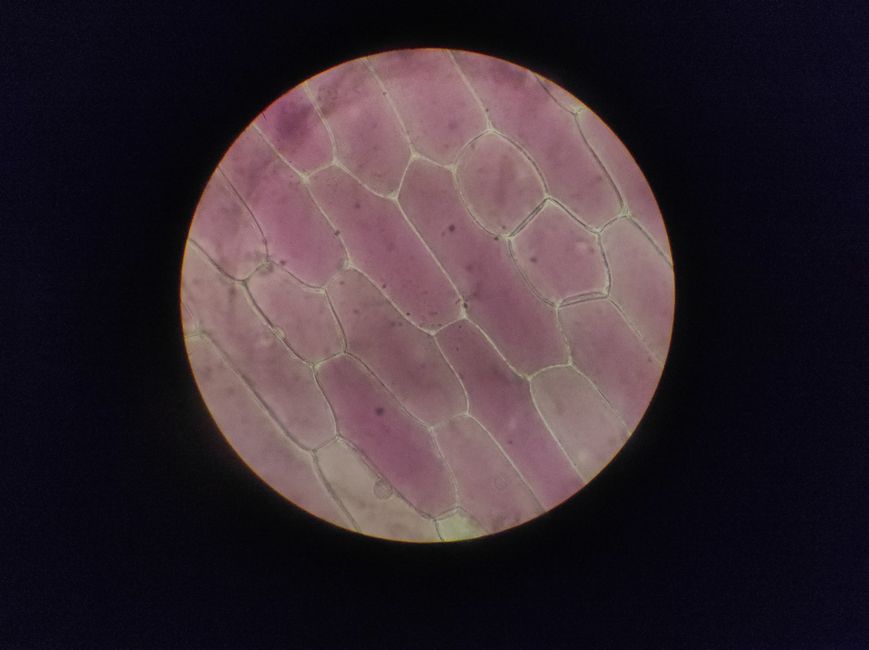
Elodea is a common aquatic plant often used in biology classrooms. When you look at an Elodea leaf under a microscope, you see clearly defined rectangular cells. Inside those cells, you can watch tiny green chloroplasts moving around. That movement is called cytoplasmic streaming, and it is a sign the cell is alive and active. The water in the environment matters because it keeps the cells firm and drives that internal motion.
What Is An Elodea Cell Structure Motion And Water?
An Elodea cell has a rigid cell wall outside its plasma membrane. That wall gives the cell its fixed rectangular shape. Inside, a large central vacuole holds water and pushes the cytoplasm against the cell wall. The cytoplasm contains chloroplasts, which carry out photosynthesis. When you view the cell under a microscope, the chloroplasts are the most visible structures because they are green and numerous.
The motion you see is cytoplasmic streaming. The cytoplasm moves in a circular path around the cell, carrying chloroplasts with it. This movement distributes nutrients and organelles throughout the cell. It also positions chloroplasts for optimal light exposure. The water in the cell creates turgor pressure, which keeps the cell rigid. If the plant loses water, the cell loses pressure and the streaming slows or stops.
What Do Elodea Cells Look Like Under a Microscope?
Under a standard light microscope, Elodea cells appear as long rectangles arranged in a single layer. The cell wall is visible as a clear boundary around each cell. Between adjacent cells, you can see the middle lamella, which holds the cells together. The chloroplasts appear as small green discs scattered throughout the cytoplasm.
At higher magnification, you may notice the nucleus. It often sits near the cell wall because the central vacuole takes up most of the interior space. The nucleus appears as a pale, rounded structure. You might also see small clear areas within the cytoplasm, which are vacuoles or other organelles.
Why Do Chloroplasts Move in Elodea Cells?
Chloroplasts move because the cytoplasm itself is moving. This process is known as cytoplasmic streaming or cyclosis. The movement is driven by motor proteins called myosin, which walk along actin filaments inside the cell. As the myosin proteins pull the cytoplasm, the chloroplasts are carried along like leaves on a stream.
This movement serves several purposes. It helps distribute products of photosynthesis to other parts of the cell. It also moves nutrients and waste materials efficiently. In a large cell, diffusion alone is too slow to move materials from one side to the other. Streaming solves that problem by actively circulating the contents.





How Does Water Affect Elodea Cell Structure and Motion?
Water is critical to Elodea cell function. The plant lives in freshwater, and its cells maintain a higher solute concentration than the surrounding water. Water naturally enters the cell through osmosis. This influx creates turgor pressure, which presses the plasma membrane against the cell wall. This pressure keeps the plant upright and the cells firm.
When an Elodea leaf is placed in salt water, the opposite happens. Water leaves the cell because the salt concentration outside is higher than inside. The plasma membrane pulls away from the cell wall, a process called plasmolysis. The chloroplasts stop streaming, and the cell loses its firm shape. If the leaf is returned to fresh water, the process reverses and streaming resumes.
Temperature also affects motion. Warmer water increases the rate of cytoplasmic streaming up to a point. Very cold water slows the movement dramatically. Extremely hot water can stop it permanently by denaturing the proteins that drive the motion.
What Is the Function of Each Part of an Elodea Cell?
- Cell wall: Provides structural support and maintains the rectangular shape. It is made of cellulose and is freely permeable to water.
- Plasma membrane: Controls what enters and exits the cell. It is selectively permeable and sits just inside the cell wall.
- Cytoplasm: The gel-like fluid where organelles are suspended. It is the site of cytoplasmic streaming.
- Central vacuole: Stores water and maintains turgor pressure. It can occupy up to 90 percent of the cell’s interior volume.
- Chloroplasts: Carry out photosynthesis using chlorophyll, the green pigment that captures light energy.
- Nucleus: Contains the genetic material and controls cell activities. It is usually pushed to the periphery by the vacuole.
How Can You Observe Elodea Cell Motion at Home?
You need a microscope with at least 100x total magnification to see the streaming clearly. Place a single fresh Elodea leaf on a glass slide with a drop of pond water or aquarium water. Add a coverslip gently to avoid trapping air bubbles. Start at low magnification to locate the leaf edge, then increase to 400x to see the chloroplasts.
Look for a cell where the chloroplasts are not packed too tightly. You should see them moving along the cell walls in a circular path. If you do not see movement, the leaf may be too old or too cold. Try a leaf from near the growing tip of the plant, where cells are most active. Warm the slide slightly by holding it near a lamp for a few seconds, but do not overheat it.
Why Is Elodea Used in Biology Education?
Elodea is an ideal specimen for teaching cell biology for several reasons. Its leaves are only two cells thick, so light passes through easily without slicing. The cells are large and clearly structured under a standard microscope. The chloroplasts make the cells easy to find and observe. Most importantly, the cytoplasmic streaming is visible in real time, giving students direct evidence that cells are dynamic structures.
Elodea also demonstrates osmosis and plasmolysis clearly. Adding salt water to a slide produces visible changes within minutes. Students can watch the chloroplasts clump in the center as the plasma membrane pulls away from the wall. Returning fresh water reverses the effect. These experiments require only basic equipment and produce reliable results.
What Happens When Elodea Cells Lose Water?
Water loss triggers plasmolysis. The plasma membrane detaches from the cell wall because the vacuole shrinks. The chloroplasts, which were spread along the cell walls, gather in the center of the cell. Cytoplasmic streaming stops because the cytoplasm has become too viscous to flow. The cell wall remains intact because it is rigid, but the cell loses its turgor.
Severe water loss can damage the cell permanently. If the membrane detaches too far, it may tear when water returns. This is why wilting plants can recover if watered quickly but may die if left dry for too long. In Elodea, recovery is possible if the exposure to salt water is brief, usually under 30 minutes.
Frequently Asked Questions
Why are Elodea cells rectangular?
Elodea cells have a rigid cell wall made of cellulose that forces them into a fixed rectangular shape. The large central vacuole also presses the cytoplasm outward, maintaining this form.
What causes chloroplasts to move in Elodea?
Chloroplasts move because of cytoplasmic streaming, where motor proteins pull the fluid cytoplasm along actin filaments. The chloroplasts are carried along passively in this moving stream.
Does Elodea need water to live?
Yes, Elodea is a fully aquatic plant and requires water to survive. Water maintains turgor pressure in its cells and is also the source of the dissolved gases it uses for photosynthesis.
What happens if you put Elodea in salt water?
The cells lose water through osmosis because the salt concentration outside is higher than inside. This causes plasmolysis, where the plasma membrane pulls away from the cell wall and chloroplasts stop moving.
