
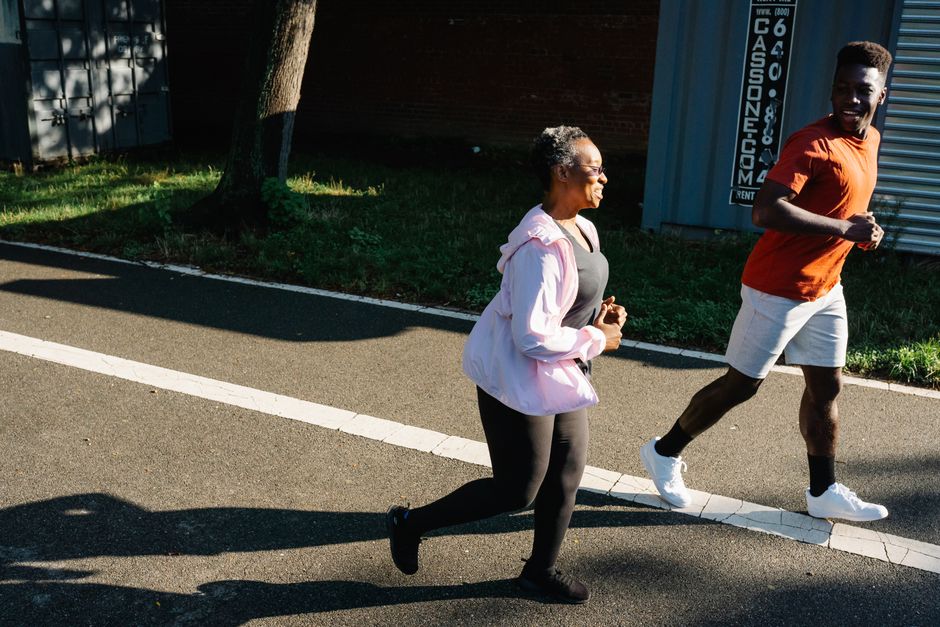
Walking burns calories, and burning more calories than you eat is what causes weight loss. Most adults need roughly 150 to 300 minutes of moderate-intensity walking per week to support gradual weight loss, though the exact amount depends on your starting weight, diet, and pace. Walking alone rarely produces fast results, but it is one of the most sustainable ways to create a daily calorie deficit.
The numbers matter because they tell you what to expect. A brisk walk burns more per minute than a stroll. A heavier body burns more than a lighter one at the same pace. And the calorie gap you create each day decides whether the scale moves at all.
How Many Calories Does Walking Actually Burn?
Walking burns roughly 3 to 5 calories per minute at a moderate pace for most adults, depending on body weight and speed. A 155-pound person walking briskly for 30 minutes burns somewhere near 150 calories. The same person walking slowly burns closer to 100.
Body weight is the biggest variable. A 200-pound person burns more than a 140-pound person doing the exact same walk, because moving more mass takes more energy. Pace is the second variable. Walking faster covers more ground per minute and raises the burn.
These are estimates, not precise measurements. Fitness trackers and treadmill readouts often overstate calorie burn, sometimes by a wide margin. Treat any single number as a rough guide rather than a fact.
Here is the part people miss. A 150-calorie walk is easy to erase with one snack. A medium muffin or a large flavored coffee drink can contain more calories than the walk just burned. This is why walking works best when it sits alongside attention to what you eat, not as a replacement for it.
How Much Walking To Do To Lose Weight Each Week?
The general target for meaningful weight loss is 150 to 300 minutes of moderate-intensity walking per week. That works out to about 22 to 43 minutes a day. Public health guidelines set 150 minutes a week as the minimum for general health, and many weight-loss researchers point to the higher end of that range for people actively trying to lose weight.
Moderate intensity has a specific meaning. It means you are breathing harder but can still hold a conversation. You are not gasping. You are not strolling. If you can sing, you are going too easy. If you cannot talk in short sentences, you are pushing into vigorous territory.
More minutes generally means more calories burned, but the relationship is not perfectly linear. Very long walks can increase hunger and lead some people to eat back the deficit without realizing it. Consistency across the week usually beats one long weekend walk.
Some clinicians suggest that people who want to lose a significant amount of weight may need to exceed 300 minutes a week. That is a general clinical observation rather than a hard rule, and it should be matched to your fitness, joint health, and schedule.
How Long Until Walking Produces Visible Weight Loss?
Meaningful weight change from walking typically takes weeks to months, not days. A realistic rate of loss is about 1 to 2 pounds per week, and that usually requires a calorie deficit that walking alone rarely creates. Most people see the scale move gradually over several weeks when walking is combined with eating less.
A pound of body fat represents roughly 3,500 calories. To lose one pound a week through walking alone, you would need a deficit of about 500 calories a day. That is more than most people burn in a single moderate walk. It is achievable with a long daily walk plus dietary changes, but not from a 20-minute stroll.
Early weight change can be misleading. The first week or two may show a drop from water loss rather than fat loss. After that, the scale tends to reflect real fat change more honestly.
Walking also builds and preserves leg muscle, especially in people who were previously inactive. Muscle weighs more than fat for the same volume, so the scale can stall while your body composition improves. Waist measurements and how clothes fit often tell a clearer story than the scale alone.





Does Walking Speed Change the Result?
Faster walking burns more calories per minute and improves cardiovascular fitness more than slow walking. Brisk walking, where you are breathing noticeably harder, is the pace most associated with health benefits in large studies. A slow walk still counts, especially for beginners, but it takes longer to reach the same calorie burn.
Interval walking is an option some people find effective. That means alternating a few minutes of fast walking with a few minutes of easy walking. It raises the average intensity without requiring you to sustain a hard pace the whole time.
Incline matters too. Walking uphill or on an incline setting increases the effort and the calorie burn without speeding up. For people with knee or hip concerns, a moderate incline can sometimes be easier than walking fast on flat ground, though joint pain should always be discussed with a clinician.
What Else Determines Whether Walking Leads to Weight Loss?
Diet is the dominant factor. Walking creates a calorie deficit, but food intake decides whether that deficit survives the day. This is not a moral judgment about willpower. It is arithmetic. If you eat more than you burn, weight stays the same no matter how much you walk.
Sleep and stress affect appetite hormones and eating behavior. Poor sleep is linked to higher calorie intake and stronger cravings in multiple studies. Walking can help with stress, but it does not cancel out the appetite effects of chronic sleep loss.
Strength training supports weight loss by preserving muscle while fat comes off. Muscle burns more calories at rest than fat does, though the difference is smaller than many fitness marketing claims suggest. The bigger benefit is that strength training helps you keep lean mass during weight loss, which affects how you look and function.
Medical conditions and medications can work against weight loss. Thyroid disorders, insulin resistance, and some prescription drugs affect weight independently of diet and exercise. If you are walking consistently and eating carefully with no change after several weeks, that is worth raising with a doctor.
How Should You Start and Build Up?
Start at a level you can repeat tomorrow. For most sedentary adults, that means 10 to 20 minutes of easy walking most days, then adding a few minutes each week. Jumping straight into an hour a day is a common way to get injured or quit.
A reasonable progression is to add about 5 minutes per session each week until you reach your target, then increase pace before increasing distance. Discomfort that fades is normal. Sharp pain, especially in the knees, shins, or hips, is a signal to back off and, if it persists, to get it checked.
Good shoes matter more than people expect. Worn-out soles change how your foot lands and can contribute to shin and knee problems. Replacing walking shoes every few hundred miles is a practical habit, though the exact mileage varies by shoe and by person.
Breaking walks into shorter blocks works. Three 10-minute walks burn roughly the same calories as one 30-minute walk for most people, and they are often easier to fit into a busy day.
Is Walking Enough on Its Own?
Walking alone can produce modest weight loss in some people, but the evidence suggests it is usually slow and limited without dietary change. Studies on walking programs generally show small average losses, with wide variation between individuals. Some people lose a meaningful amount. Others lose very little.
That variation is real and not fully explained by effort. Genetics, baseline fitness, body composition, and how the body adapts to a new activity level all play a role. The body also tends to become more efficient at a repeated activity over time, which can reduce the calorie burn of the same walk.
Walking is still worth doing regardless of the scale. It is linked to lower risk of heart disease, type 2 diabetes, and depression in large observational studies. Those benefits hold even when weight does not change much, which is a point worth keeping in view when progress feels slow.
Frequently Asked Questions
How many minutes should I walk a day to lose weight?
Aim for about 30 to 45 minutes of brisk walking most days, which lands in the 150 to 300 minutes per week range linked to weight loss. Beginners can start with 10 to 20 minutes and build up gradually.
Can walking alone help you lose weight?
Walking alone can produce modest weight loss, but results are usually slow and limited without changes to diet. Most meaningful loss comes from combining walking with a calorie deficit from food.
Is it better to walk fast or walk longer?
Both help, and the best choice depends on your fitness and joints. Faster walking burns more calories per minute, while longer walks burn more total calories, so combining some faster days with longer easy days works well.
How long does it take to see results from walking?
Most people see gradual change over several weeks to a few months when walking is paired with eating less. Early drops in the first week or two often reflect water loss rather than fat loss.
