
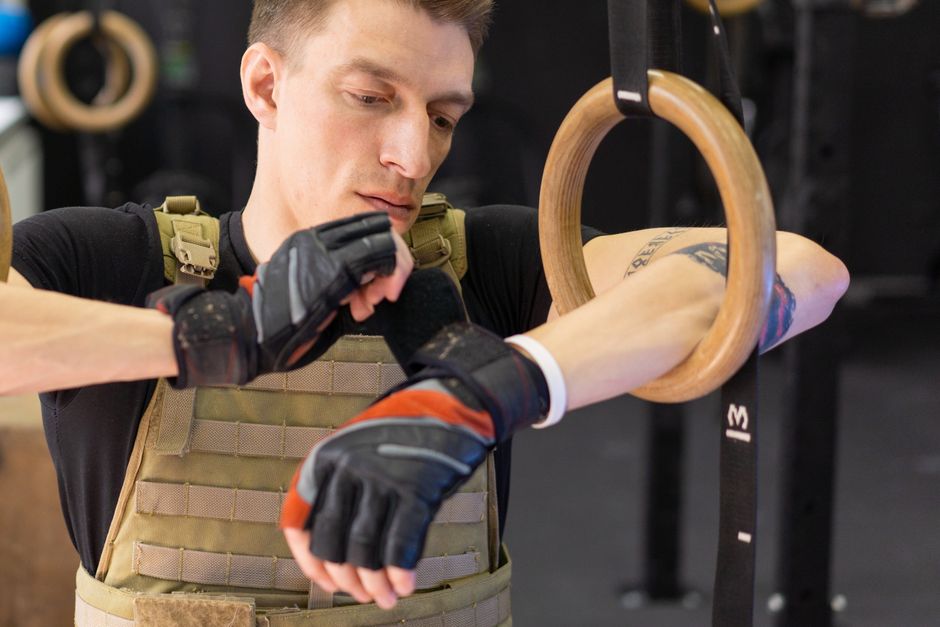
Weighted vests have moved from physical therapy clinics and military training into mainstream fitness. You have probably seen them in gyms, on walking trails, and in social media videos promising faster fat loss. The short answer: a weighted vest can increase the calories you burn during activity, but that alone does not guarantee weight loss. Fat loss still depends on a sustained calorie deficit, and a vest is only one small variable in that equation.
What a vest does reliably is add load to your body. Extra load means your muscles and heart work harder to move you. That can raise energy expenditure, build strength, and support bone health in ways that matter over time. What a vest cannot do is outrun a diet that supplies more calories than you burn. Understanding where the vest helps and where it does not is the difference between a useful tool and an expensive piece of gear gathering dust.
Do Weighted Vests Help You Lose Weight?
They can contribute to weight loss, but only as part of a calorie deficit. The vest does not burn fat directly. It increases the energy cost of whatever you are already doing, and if that extra expenditure pushes you into a deficit you were not reaching before, you may lose weight.
The size of that effect is smaller than most marketing suggests. Adding 10 pounds to your body while walking increases calorie burn, but the increase is modest — typically a fraction of what most people imagine. Research on load carriage shows that energy cost rises with the weight carried, but the relationship is not dramatic for the loads most people wear. A vest that feels heavy on your shoulders is not necessarily burning hundreds of extra calories.
There is a second effect that matters more than the calorie math for many people. Carrying extra weight makes ordinary movement feel harder, which can improve cardiovascular fitness and muscular endurance over weeks. Better fitness supports weight management indirectly, but it is not the same as direct fat loss.
The honest position: a weighted vest is a training tool, not a weight-loss device. Treat it as one input among many.
How Many Calories Does a Weighted Vest Actually Burn?
The extra burn is real but usually smaller than people expect. Energy expenditure during walking and other weight-bearing activity goes up when you add load, and the increase scales roughly with the total weight being moved. That means the percentage increase is modest when the added weight is a small fraction of your body weight.
A person who weighs 180 pounds and adds a 10-pound vest is increasing the load by roughly 5 to 6 percent. The calorie increase during that session tends to track in a similar range — not double, not triple. If you walk for 30 minutes and normally burn around 150 calories, the vest might add a small number on top. That number is easy to erase with a single snack.
Several factors change the actual figure:
- Your body weight and the vest weight together determine total load
- Walking speed and incline change energy cost more than the vest does
- Your fitness level affects how efficiently you move
- Whether you wear the vest for the whole session or part of it
Incline and pace are more powerful levers than load for most people. Walking uphill or faster will generally increase calorie burn more than adding a few pounds to your torso. That is worth knowing before you spend money on a vest to solve a problem that a steeper route could address.
Does Wearing a Weighted Vest Build Muscle?
Yes, but the effect is limited and depends on how you use it. A vest adds resistance to movements your muscles already perform — walking, squatting, lunging, climbing stairs. That extra resistance can improve muscular endurance and, in some cases, support strength gains.
The load is distributed across your torso, which makes the vest good for whole-body movements and less useful for targeting a specific muscle. You cannot isolate your biceps with a vest. What you can do is make everyday movement and bodyweight exercise more demanding, which builds endurance in your legs, core, and back over time.
For building significant muscle, external weights like dumbbells and barbells remain more effective because you can progressively increase the load in precise ways. A vest is a supplement to resistance training, not a replacement for it. Some physical therapists use weighted vests in rehabilitation for balance and bone density work. That is a clinical application with specific protocols, not a general fitness recommendation.





What Are the Risks of Training With a Weighted Vest?
The main risk is joint and spine stress, especially if you start too heavy or wear the vest for high-impact activity. Adding load to running, jumping, or fast directional changes increases the force your knees, hips, and lower back absorb. That can raise injury risk, particularly if your form breaks down or you are not conditioned for the weight.
Common problems reported by users and clinicians include:
- Lower back strain from poor posture under load
- Knee and hip discomfort during impact activities
- Neck and shoulder tension from a poorly fitted vest
- Falls or balance loss when the load shifts unexpectedly
Starting light matters. Most guidance suggests beginning with a vest that is a small percentage of your body weight and increasing gradually over weeks, not days. If you have existing back, hip, knee, or heart conditions, or if you are pregnant, talk to a clinician before adding load. This is not a case where “listen to your body” is sufficient — some load-related problems build silently before they become painful.
Wearing a vest during high-impact running is more controversial than wearing one for walking or strength work. The evidence on injury risk during loaded running is limited, but the biomechanical reasoning is sound: more mass moving at speed means more force through the joints. If you want to run with load, build up slowly and consider walking or incline work first.
Is a Weighted Vest Better Than Other Weight Loss Methods?
No. A vest is not superior to the fundamentals, and it is not a shortcut around them. The methods with the strongest evidence for weight loss remain a sustained calorie deficit, regular aerobic activity, and resistance training that preserves muscle while you lose fat.
Where a vest fits is as a way to make existing activity more challenging. It can help if you have plateaued with walking or bodyweight exercise and want to increase difficulty without changing your routine. It can also support bone density and balance work, though the evidence for those benefits is strongest in specific clinical and older-adult populations rather than general fitness users.
What a vest cannot replace:
- Diet quality and portion control
- Total daily activity and step count
- Progressive resistance training for muscle preservation
- Sleep and stress management, which affect appetite and recovery
If you buy a vest expecting it to do the work of a diet overhaul, you will be disappointed. If you buy it to add a modest challenge to walks you already take, it can be a reasonable tool.
How Should You Use a Weighted Vest If You Try One?
Use it for walking, incline work, bodyweight strength, and everyday movement rather than high-impact running. Start with a light load and increase only when the current weight feels manageable for the full session without form breakdown.
A few practical points that reduce risk:
- Choose a vest that fits snugly and distributes weight evenly across the torso
- Wear it for part of a session, not all of it, when starting out
- Avoid wearing it for activities that already stress your joints heavily
- Keep the load light enough that your posture stays upright and relaxed
- Track how your back, hips, and knees feel over the following day, not just during the session
The non-obvious point: the vest’s biggest practical value may be psychological. It makes a familiar walk feel more purposeful and can increase adherence for people who find plain walking boring. Adherence matters more for long-term weight management than any single session’s calorie burn. If the vest keeps you moving, that is a real benefit — just not the one the marketing promises.
Frequently Asked Questions
Do weighted vests help you lose weight?
They can contribute to weight loss by increasing the calories you burn during activity, but only as part of a sustained calorie deficit. The extra burn is usually modest and easy to offset with food.
How much weight should a weighted vest be?
Most guidance suggests starting with a load that is a small percentage of your body weight and increasing gradually over weeks. There is no single recommended number that fits everyone, and individual tolerance varies.
Can you wear a weighted vest while running?
Some people do, but it increases force through your knees, hips, and lower back, and the evidence on injury risk during loaded running is limited. Walking or incline work carries less joint stress.
Is a weighted vest better than walking uphill?
No. Incline and pace generally increase calorie burn more than adding a few pounds of load, and they do not add the same joint stress. A vest is one option among several, not the best one.
