
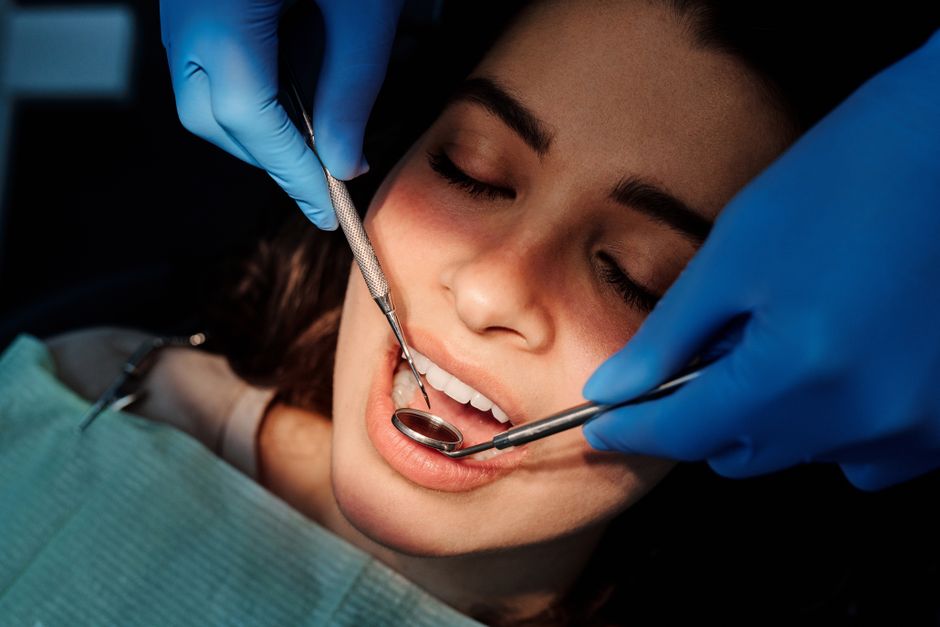
A full adult mouth holds 32 teeth. Children have 20 baby teeth, which start falling out around age 6 and are mostly replaced by permanent teeth by age 12 or 13. The last four teeth — the third molars, or wisdom teeth — usually arrive between ages 17 and 25, though not everyone develops all of them.
That number sounds simple. The reality is a bit more layered. Tooth counts change with age, vary slightly between people, and depend on whether you count teeth that never erupt or were removed. Here is what the evidence actually shows.
How Much Teeth Are In The Human Mouth at Each Stage of Life?
The count depends entirely on age. A child and an adult do not have the same number, and the transition takes years.
Babies are born with no visible teeth. The first primary teeth typically break through the gums between 6 and 12 months. By around age 3, most children have a full set of 20 primary teeth. These are sometimes called baby teeth or deciduous teeth.
Around age 6, the jaw has grown enough to make room for more teeth. Primary teeth begin loosening and falling out, and permanent teeth push through in their place. This process usually finishes between ages 12 and 13, except for the third molars.
By the late teens or early twenties, most people have 28 teeth plus up to four wisdom teeth. That gives a maximum of 32. But “maximum” is the key word.
Why Do Some Adults Have Fewer Than 32 Teeth?
Having fewer than 32 teeth is common and often completely normal. Several factors explain why.
Wisdom teeth are the biggest reason. Many people never develop all four. Others have them removed because there is not enough room in the jaw, or because they are impacted — meaning they cannot erupt properly. Some studies suggest a large share of adults are missing at least one third molar, either because it never formed or because it was extracted.
Beyond wisdom teeth, some people are simply born without certain permanent teeth. This is called hypodontia. It most often affects the second premolars and the upper lateral incisors. The exact prevalence varies by population, but it is not rare.
Teeth can also be lost to decay, gum disease, injury, or medical treatment. So an adult with 28 teeth, or 24, or fewer may have a perfectly healthy mouth — or may not. The number alone does not tell you much about dental health.
What Are the Different Types of Teeth and How Many of Each?
Teeth are not interchangeable. Each type has a shape suited to a specific job, and the full adult set breaks down into four categories.
- Incisors: 8 total (4 upper, 4 lower). These are the front teeth, used for cutting and biting.
- Canines: 4 total (2 upper, 2 lower). Pointed teeth beside the incisors, used for tearing.
- Premolars: 8 total (4 upper, 4 lower). Flat-topped teeth for crushing and grinding.
- Molars: 12 total including wisdom teeth (6 upper, 6 lower). Large back teeth for heavy grinding.
Add those up: 8 + 4 + 8 + 12 = 32. Remove the four wisdom teeth and you get 28, which is the count most adults actually live with.
The primary (baby) set follows a similar pattern but skips the premolars. Children have 8 incisors, 4 canines, and 8 molars — 20 teeth total. The premolars only appear in the permanent set.





Do Wisdom Teeth Always Come In?
No. Wisdom teeth are the most variable part of the human mouth, and their behavior differs widely from person to person.
Third molars typically begin forming in the jaw around age 9 and erupt between ages 17 and 25. But eruption is not guaranteed. A wisdom tooth can:
- Erupt fully and sit normally in the mouth
- Erupt partially, leaving a flap of gum that traps bacteria
- Stay fully impacted below the gum or bone
- Never form at all
Impacted wisdom teeth can cause problems — pain, infection, damage to neighboring teeth, or cyst formation. But not all impacted teeth cause trouble, and not everyone needs them removed. This is one area where clinical guidance has shifted over time. Removal is generally recommended when a tooth is causing symptoms or shows signs of disease, but the decision for symptom-free impacted teeth is more of a judgment call. Some clinicians recommend preventive removal; others prefer to monitor. The evidence does not clearly favor one approach for every case.
If you are unsure about your own wisdom teeth, a dentist can assess them with an exam and X-rays.
Can the Number of Teeth Affect Health?
Tooth count is sometimes used as a rough marker of oral health, but it is a blunt one. What matters more is why teeth are missing and what condition the remaining teeth are in.
Research has linked tooth loss to various health outcomes, including nutrition and quality of life. Chewing difficulty can affect what a person eats, which in turn can influence overall diet. But correlation is not causation here. People who lose teeth often have other health conditions or risk factors that also affect those outcomes, making it hard to separate cause from effect.
Gum disease is the leading cause of tooth loss in adults, and it is largely preventable and treatable in its early stages. Regular dental checkups, brushing twice daily, and cleaning between teeth are the standard recommendations for protecting the teeth you have.
One point worth clarifying: having all 32 teeth does not mean your mouth is healthy, and having fewer does not mean it is unhealthy. The number is a starting point for a conversation with a dentist, not a verdict.
When Do Teeth Stop Growing?
Permanent teeth finish forming in the jaw well before they erupt. Once a tooth breaks through the gum, its size and shape are essentially set. Teeth do not keep growing the way bones do.
What can change is their position. Teeth can shift over time due to grinding, gum disease, or natural drift. This is why some adults notice their teeth crowding or moving in their 40s and beyond, even if they had straight teeth as a teenager.
The enamel — the hard outer layer — also wears down with age. It does not regrow. Once enamel is lost, it is gone. This is why protecting it matters throughout life.
Key Facts at a Glance
| Stage | Typical Tooth Count | Notes |
|---|---|---|
| Infant (birth) | 0 | Teeth not yet erupted |
| Early childhood (by age 3) | 20 | Full primary set |
| Adolescence (by age 13) | 28 | Wisdom teeth not yet in |
| Adulthood (with wisdom teeth) | Up to 32 | Varies widely |
The numbers are consistent across most people, but individual variation is normal. Missing teeth, extra teeth, and delayed eruption all occur. A dentist can tell you exactly what is happening in your mouth.
Frequently Asked Questions
How many teeth does a human have?
A full adult set is 32 teeth, including four wisdom teeth. Children have 20 primary teeth, which are gradually replaced by permanent teeth.
Can you have more than 32 teeth?
Yes, though it is uncommon. Some people develop extra teeth, a condition called hyperdontia, which most often involves extra teeth near the front of the upper jaw.
Is it normal to have only 28 teeth?
Yes. Many adults have 28 teeth because their wisdom teeth never developed or were removed. This is very common and usually not a concern on its own.
At what age do all 32 teeth come in?
Most permanent teeth are in place by age 13, but wisdom teeth typically erupt between ages 17 and 25. Not everyone develops all four.
