
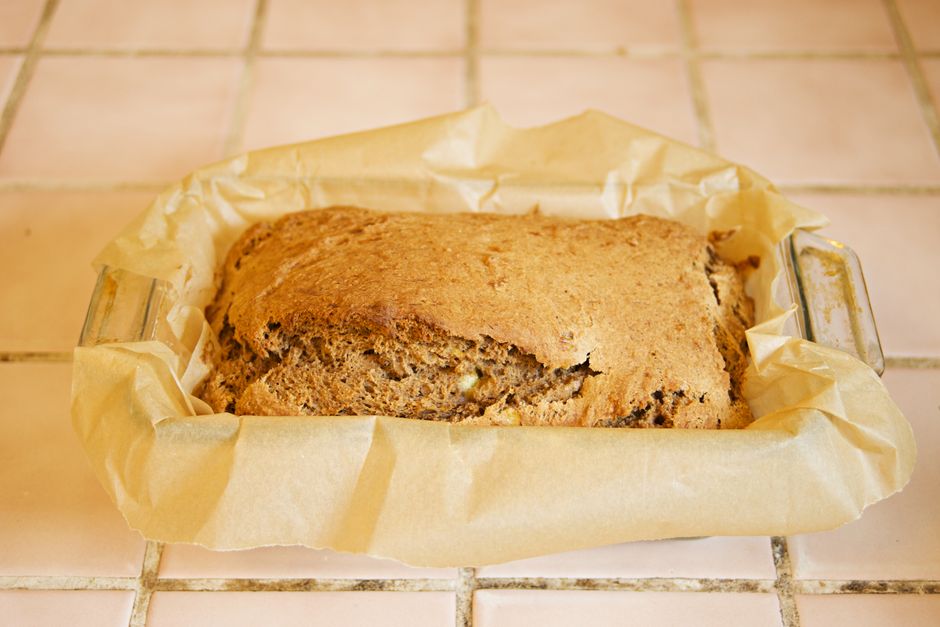
Banana loaf often feels like a healthier choice than other cakes, but whether it actually is depends on the recipe. A standard slice can contain as much sugar and saturated fat as a slice of frosted cake. The honest answer is that banana loaf is a treat, not a health food, though it can be a better option than many store-bought pastries if you make it yourself with whole ingredients.
What Is Actually in a Typical Banana Loaf?
Most banana bread recipes share the same core ingredients: ripe bananas, white flour, sugar, butter or oil, and eggs. Some versions add nuts, chocolate chips, or extra sugar on top.
The bananas are the only ingredient with real nutritional value. They provide potassium, vitamin B6, and some fiber. But a standard loaf uses two to three bananas spread across eight to ten slices. That means each slice gets a small portion of those nutrients.
The bigger issue is what else is in the slice. A typical recipe calls for one cup of sugar and half a cup of butter. When you divide that across the loaf, each slice carries roughly 15 to 20 grams of added sugar and 5 to 8 grams of saturated fat. That is close to the American Heart Association’s recommended daily limit for added sugar in one single slice.
Is Banana Loaf Healthier Than Regular Cake?
Compared to a frosted layer cake, banana loaf usually comes out ahead. It typically has less sugar per slice and no frosting, which removes a large source of both sugar and fat.
But that comparison sets a low bar. Banana loaf is still a sweet baked good. The bananas do not make it a fruit serving in the way a whole banana would. The baking process concentrates sugars and the added fat and flour change the nutritional profile entirely.
A more useful comparison is against a plain slice of whole grain toast with peanut butter. That option gives you more fiber, more protein, and far less sugar. If you are choosing between banana loaf and a doughnut, the loaf is the better pick. If you are choosing between banana loaf and a balanced breakfast, the breakfast wins.
Does the Ripeness of the Banana Matter?
The ripeness of your bananas changes the taste and the sugar content. As bananas ripen, their starches convert to simple sugars. A spotty, brown banana is much sweeter than a yellow one.
That matters for two reasons. First, sweeter bananas mean you can use less added sugar in the recipe and still get a sweet loaf. Second, the sugar in a ripe banana is still sugar. Your body processes it the same way whether it came from the fruit or the sugar bowl.
Some bakers use very ripe bananas and cut the added sugar down to half a cup or less. This approach produces a loaf that is genuinely lower in sugar than standard recipes. It also makes the banana flavor stronger, which most people enjoy.





Can You Make Banana Loaf Healthier?
Yes, with simple substitutions you can improve the nutritional profile without ruining the texture or taste.
Here are changes that have real evidence behind them:
- Use whole wheat flour instead of white flour. This adds fiber and slows digestion, which helps control blood sugar spikes.
- Cut the sugar in half. Most recipes tolerate this well, especially if your bananas are very ripe.
- Replace half the butter with unsweetened applesauce. This lowers saturated fat while keeping the loaf moist.
- Add chopped walnuts. Walnuts provide healthy fats and some protein, though they also add calories.
- Skip the chocolate chips. They add sugar and fat with no nutritional benefit.
These changes do not turn banana loaf into a health food. But they move it from a dessert into something closer to a snack that can fit into a balanced diet.
What About Store-Bought Banana Loaf?
Store-bought banana loaf is a different situation entirely. Commercial versions often contain more sugar, more fat, and additional preservatives to extend shelf life.
Some coffee shop banana loaves exceed 400 calories per slice. That is more than a fast food cheeseburger. The serving size also matters. A bakery slice can be twice the size of a homemade slice, which doubles the calories and sugar without you noticing.
If you buy banana loaf, check the nutrition label. Compare the serving size to what you actually eat. Many people eat two servings in one sitting without realizing it.
Is Banana Loaf Healthy for Weight Management?
Banana loaf is calorie-dense. A typical slice contains between 200 and 350 calories depending on the recipe and serving size. That is fine as an occasional treat, but it can work against weight loss if you eat it regularly.
The problem is that banana loaf does not fill you up the way other foods with the same calories do. It is low in protein and fiber, so you may feel hungry again soon after eating it. This can lead to eating more total calories across the day.
If you want to include banana loaf in your diet while managing your weight, portion control is the most important factor. A thin slice is a reasonable treat. A thick slice or a second helping moves it into dessert territory.
How Often Can You Eat Banana Loaf?
There is no strict rule for how often banana loaf can fit into a healthy diet. The answer depends on the rest of your eating pattern.
For most people, an occasional slice is not a problem. Eating it daily, however, means you are regularly consuming added sugar and refined flour. Over time, that pattern is associated with higher risk of weight gain, type 2 diabetes, and heart disease.
A practical approach is to treat banana loaf like any other dessert. Enjoy it at a weekend brunch or as a special snack, but do not make it a daily staple. If you find yourself reaching for it every day, try the healthier substitutions above or switch to a slice of whole grain toast with banana slices on top.
Frequently Asked Questions
Is banana loaf good for weight loss?
Banana loaf is calorie-dense and low in protein and fiber, so it is not ideal for weight loss. Eating it occasionally in small portions is fine, but it should not replace meals or healthy snacks.
Is banana bread healthier than white bread?
No. Banana bread typically contains more sugar and fat than plain white bread. Whole grain bread with sliced banana is a healthier alternative with more fiber and less added sugar.
Can diabetics eat banana loaf?
Banana loaf is high in carbohydrates and sugar, which can raise blood glucose levels. Diabetics should limit portions and choose recipes with reduced sugar and whole wheat flour if they choose to eat it.
Is banana loaf a good source of potassium?
Banana loaf contains some potassium from the bananas, but each slice has less than half the potassium of a whole banana. A medium banana provides about 422 mg of potassium, while a slice of banana loaf provides significantly less.
