
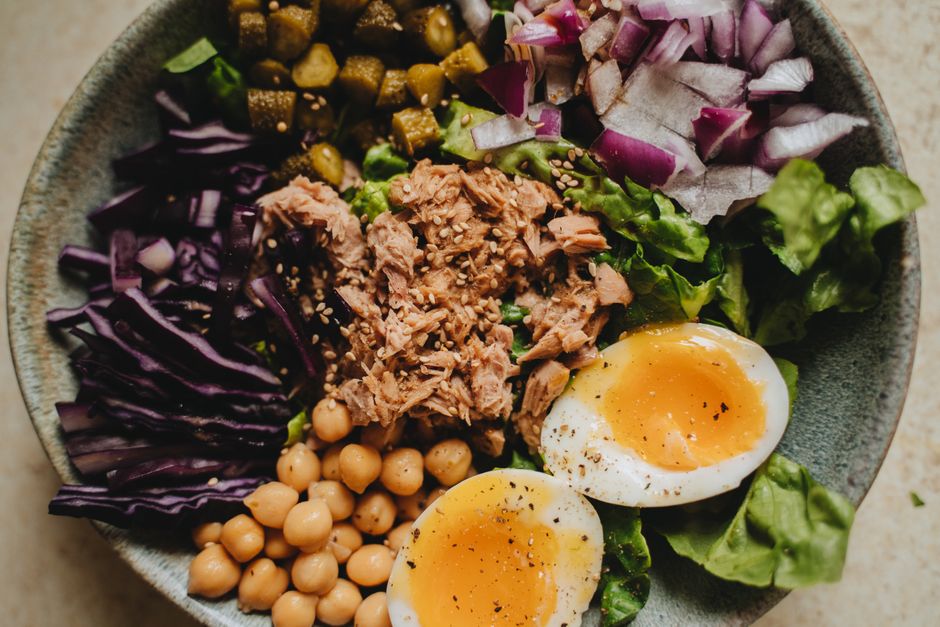
A standard 5-ounce can of tuna packed in water provides roughly 20 to 30 grams of protein, depending on the specific type and brand. That makes it one of the most concentrated protein sources you can buy in a can. For most people, a single can delivers about one‑third to half of the daily protein needs in a meal‑ready form.
How Much Protein In A Can Of Tuna?
Protein content varies by tuna variety and how it is packed. Here is the breakdown for the most common options:
- Chunk light tuna in water (5‑ounce can, drained): about 20–25 grams of protein.
- Solid white albacore tuna in water (5‑ounce can, drained): about 25–30 grams of protein.
- Tuna packed in oil (drained): the protein content is nearly identical to water‑packed tuna – about 20–30 grams – because protein is not lost in the liquid. Oil adds extra calories and fat.
Can sizes often listed as 3 oz, 5 oz, or 6 oz. A 3‑ounce can (the size often used for single‑serving pouches) provides about 13–18 grams of protein. Always check the Nutrition Facts label for the specific brand, because drainage and packing methods vary slightly.
Does the Protein Change If Tuna Is Packed in Oil?
No. The protein stays the same whether the tuna is packed in water or oil. Protein is part of the fish muscle and does not leach into the liquid. The difference is in calories and fat: oil‑packed tuna adds about 40–60 extra calories per serving from the oil, even after draining. Some of the healthy omega‑3 fats may also be present in similar amounts, though a small fraction can migrate into the packing oil.
If you are watching your calorie or fat intake, water‑packed tuna is the leaner choice. If you prefer the taste and texture of oil‑packed tuna, you are not losing any protein.
What About Different Tuna Varieties?
Canned tuna comes from several species. The most common are skipjack (usually labeled as “chunk light”), albacore (“solid white”), and yellowfin. Protein content is similar across species, but there are differences in fat and mercury levels.
- Skipjack (chunk light): leaner, lower mercury, about 20–25 g protein per 5‑oz can.
- Albacore (solid white): slightly higher fat and higher mercury, about 25–30 g protein per 5‑oz can.
- Yellowfin: similar protein to skipjack, moderate mercury levels, less common in canned form.
The protein difference between chunk light and albacore is small – about 5 grams per can. Both are excellent protein sources. The bigger consideration for choosing between them is mercury content, not protein.




How Does Tuna Compare to Other Protein Sources?
Canned tuna is a concentrated protein source. A 5‑ounce can provides roughly 20–30 grams of protein. For comparison:
- 3 ounces of cooked chicken breast: about 26 grams of protein.
- 3 large eggs: about 18 grams of protein.
- 1 cup of cooked lentils: about 18 grams of protein.
- 1 cup of Greek yogurt: about 15–20 grams of protein.
Tuna delivers protein comparable to chicken or beef, with the convenience of being shelf‑stable and ready to eat. It is also a complete protein, meaning it provides all nine essential amino acids your body cannot make on its own.
Is Canned Tuna a Healthy Protein Source?
Yes, with some considerations. Tuna is rich in protein, omega‑3 fatty acids (EPA and DHA), selenium, and vitamin D. The omega‑3s support heart and brain health. However, tuna also contains mercury, a heavy metal that can be harmful in high amounts.
The FDA and EPA advise the following to limit mercury exposure:
- Children and pregnant or breastfeeding women: limit albacore (solid white) tuna to one serving (about 4 ounces) per week. They can eat up to 2–3 servings per week of chunk light tuna.
- Other adults: can eat more, but experts recommend variety in seafood choices and not eating tuna exclusively every day.
For most people, eating a few cans of tuna per week is safe and provides a net health benefit due to the high protein and omega‑3 content. If you are concerned about mercury, choose chunk light tuna and limit albacore.
How Much Protein Do You Actually Need?
The Recommended Dietary Allowance (RDA) for protein is 0.8 grams per kilogram of body weight per day for a sedentary adult. That translates to about 56 grams for a 154‑pound man and 46 grams for a 126‑pound woman. Many people need more – especially if they are active, older, or trying to build muscle. A typical recommendation for active adults is 1.2–2.0 grams per kilogram.
One can of tuna provides a substantial portion of that daily need. For example, a 5‑ounce can of chunk light tuna (22 grams protein) covers about 40% of the RDA for a 154‑pound man and 48% for a 126‑pound woman.
Is There a Downside to Eating Canned Tuna Every Day?
Eating tuna daily is not recommended for most people because of mercury accumulation over time. Mercury builds up in the body and can cause neurological problems at high levels. While a can of chunk light tuna per day is likely safe for most adults in the short term, long‑term daily consumption may exceed safe limits.
The FDA’s advice for adults is not to eat albacore tuna more than once a week. For chunk light, up to 2–3 servings per week is considered safe. If you want to include tuna more often, rotate with low‑mercury fish like salmon, sardines, or trout. Variety is the safest approach.
How to Maximize Protein from Tuna in Your Diet
Tuna is versatile. Use it in salads, sandwiches, wraps, pasta dishes, or mixed with avocado and vegetables. To keep it healthy, avoid heavy mayonnaise or creamy dressings that add extra calories and saturated fat. Instead, try Greek yogurt, olive oil, lemon juice, or mustard.
Pair tuna with whole grains or vegetables for a balanced meal. The protein in tuna helps with muscle repair, satiety, and maintaining lean body mass.
Frequently Asked Questions
How much protein is in a 5‑ounce can of tuna?
A 5‑ounce can of chunk light tuna packed in water provides about 20–25 grams of protein. Solid white albacore provides about 25–30 grams.
Does tuna lose protein when drained?
No. Protein stays in the fish meat and is not lost in the liquid. Draining removes water or oil but keeps the protein.
Is canned tuna a complete protein?
Yes. Canned tuna contains all nine essential amino acids, making it a complete protein source.
How much protein is in a small 3‑ounce can of tuna?
A 3‑ounce can of tuna (drained) contains roughly 13–18 grams of protein, depending on the variety.
