
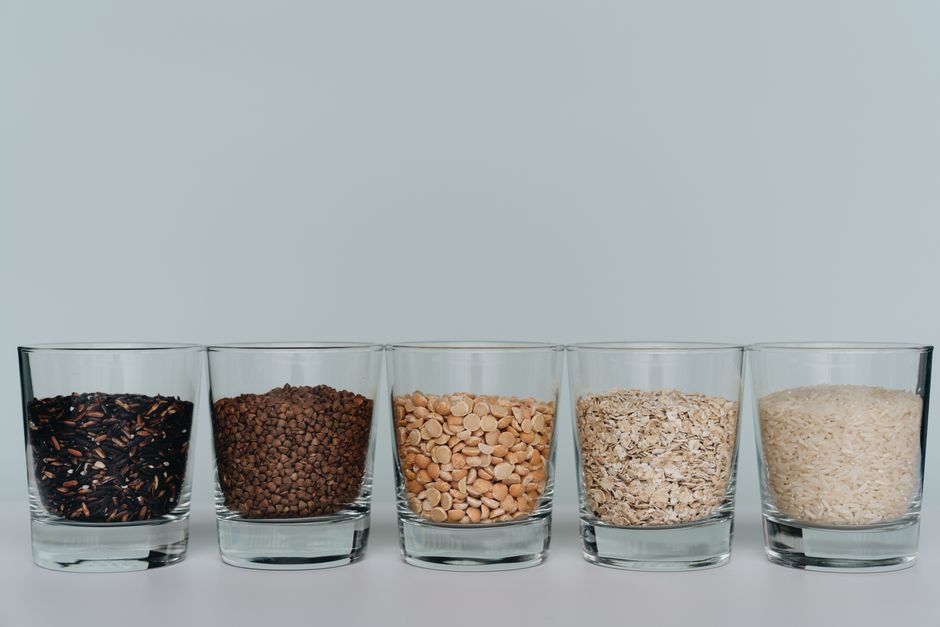
Red yeast rice is a traditional fermented food used for centuries in Chinese cooking and medicine. Today, most people take it as a supplement to help manage cholesterol levels. The most common daily dose studied in clinical trials is 1,200 milligrams, usually divided into two doses of 600 milligrams taken with meals. However, the amount of active compound in each product varies widely, so the dose on the label does not tell the whole story.
What Is Red Yeast Rice and How Does It Work?
Red yeast rice is made by fermenting white rice with a specific type of yeast called Monascus purpureus. During fermentation, the yeast produces a group of compounds known as monacolins. One of these, monacolin K, is chemically identical to lovastatin, a prescription medication used to lower cholesterol.
Monacolin K works by blocking an enzyme in the liver called HMG-CoA reductase. This enzyme is responsible for producing cholesterol in the body. When it is blocked, the liver makes less cholesterol, and the body pulls more cholesterol out of the blood. This is the same mechanism used by statin drugs.
Not every red yeast rice product contains the same amount of monacolin K. Studies have found significant variation between brands. Some products contain very little, while others contain amounts comparable to a low-dose prescription statin. This makes dosing complicated and is one of the main reasons experts urge caution.
How Much Red Yeast Rice Should I Take Daily?
Clinical trials that have shown cholesterol-lowering benefits typically used 1,200 milligrams per day. This dose is usually split into two 600-milligram capsules, taken with breakfast and dinner. Taking it with food can help reduce stomach upset.
Some studies have used doses as low as 400 milligrams per day with modest results. Others have used up to 2,400 milligrams per day. The higher doses do not necessarily produce better results and may increase the risk of side effects.
The more important number is the monacolin K content, not the total weight of the powder. A 1,200-milligram dose of a product with high monacolin K content is very different from the same dose of a product with low content. Some products are standardized to contain a specific amount of monacolin K, often around 10 milligrams per day. This is similar to a low-dose lovastatin prescription.
Check the label for monacolin K content rather than relying on the total milligram amount alone. If the label does not list monacolin K, you cannot know how much active ingredient you are getting.
What Does the Research Show About Effectiveness?
Research consistently shows that red yeast rice can lower LDL cholesterol, the “bad” cholesterol. Studies have found reductions of roughly 20 to 30 percent in LDL cholesterol with daily use. This is comparable to the effect seen with low to moderate doses of prescription statins.
Some studies also show modest reductions in total cholesterol and triglycerides, along with small increases in HDL cholesterol, the “good” cholesterol. These effects typically appear within four to eight weeks of consistent use.
One notable study published in the Annals of Internal Medicine compared red yeast rice to pravastatin, a prescription statin. The study found that red yeast rice lowered LDL cholesterol to a similar degree as the medication. This was a well-designed trial, but it used a specific product with known monacolin K content. The results may not apply to every product on the shelf.
Research published in the Journal of Clinical Lipidology has also examined the long-term safety of red yeast rice. The evidence suggests it can be used for extended periods, but monitoring is important for the same reasons it matters with statins.





What Are the Risks and Side Effects?
Because monacolin K is chemically identical to lovastatin, red yeast rice carries the same potential side effects as statin medications. The most common side effects are muscle aches, digestive issues, and mild liver enzyme elevations. These are usually mild and resolve when the supplement is stopped.
More serious side effects are rare but possible. These include muscle breakdown, called rhabdomyolysis, and liver damage. The risk increases with higher doses, with certain medications, and in people with pre-existing kidney or liver disease.
Do not take red yeast rice if you are pregnant, planning to become pregnant, or breastfeeding. Statins are known to cause birth defects, and the same risk applies to red yeast rice. No clinical guidelines currently exist for red yeast rice use during pregnancy, and the established medical advice is to avoid it entirely.
Red yeast rice can interact with several medications. Grapefruit juice increases the absorption of statins, which can raise the risk of side effects. Certain antibiotics, antifungal medications, and heart medications can also interact dangerously. If you take any prescription medication, talk to your doctor before starting red yeast rice.
How Is Red Yeast Rice Different From Statin Medications?
The main difference is regulation. Statin medications are tightly regulated by the FDA. Every batch must meet strict quality and potency standards. The dose is precise and predictable.
Red yeast rice is sold as a dietary supplement. The FDA does not review supplements for safety or effectiveness before they reach the market. The FDA has issued warnings about red yeast rice products that contain meaningful amounts of monacolin K, stating that these products are unapproved drugs. In response, some manufacturers have reduced the monacolin K content in their products, which may make them less effective.
This creates a difficult situation. Some products contain enough monacolin K to be effective but are technically unapproved drugs. Others have been reformulated to contain very little monacolin K, making them safer but potentially ineffective. There is no easy way for a consumer to know which category a product falls into without third-party testing.
Some clinicians recommend red yeast rice to patients who cannot tolerate statins or prefer a natural option. This is common clinical practice, but it is not strongly supported by large, long-term trials comparing red yeast rice directly to statins for hard outcomes like heart attacks or strokes. The evidence for cholesterol reduction is solid. The evidence for preventing heart disease events is less clear.
What to Look for When Choosing a Product
Third-party testing is the most reliable way to verify what is in a supplement. Look for products that have been tested by organizations like USP, NSF International, or ConsumerLab. These organizations verify that the product contains what the label claims and does not contain harmful contaminants.
Check the label for monacolin K content. A product that lists a specific amount, such as 5 to 10 milligrams per serving, is more transparent than one that only lists the total red yeast rice powder weight. Be cautious with products that list “10 mg” without specifying whether that refers to monacolin K or to the whole red yeast rice powder.
Be aware that some products are contaminated with citrinin, a toxin produced by the same yeast during fermentation. Citrinin can cause kidney damage. The FDA has set advisory levels for citrinin in red yeast rice products, but testing is not mandatory. Choosing a third-party tested product reduces this risk.
Should You Take Red Yeast Rice?
Red yeast rice is a reasonable option for some people with elevated cholesterol, but it is not a substitute for medical care. If you have high cholesterol, talk to your doctor before starting any supplement. A blood test can confirm whether your cholesterol is actually elevated and whether treatment is needed.
Lifestyle changes remain the foundation of cholesterol management. A diet low in saturated fat, regular physical activity, weight management, and not smoking all have well-established benefits. Red yeast rice should be viewed as an addition to these habits, not a replacement.
If you do start red yeast rice, have your cholesterol rechecked after two to three months. Your doctor can also check your liver enzymes and kidney function. This monitoring is the same as what would be done with a prescription statin, and it is equally important with red yeast rice.
Never combine red yeast rice with a prescription statin unless your doctor specifically instructs you to do so. The combined effect can be too strong and increases the risk of muscle and liver damage. This is a dangerous combination that has caused serious harm in some people.
Frequently Asked Questions
Can I take red yeast rice with my statin medication?
No, you should not take red yeast rice with a statin unless your doctor specifically instructs you to do so. Combining them increases the risk of muscle damage and liver toxicity.
How long does red yeast rice take to lower cholesterol?
Most studies show noticeable LDL cholesterol reductions within four to eight weeks of daily use. Have your cholesterol rechecked after about two to three months to see if it is working.
Is red yeast rice safe to take long term?
Some studies support long-term use, but regular monitoring of liver enzymes and kidney function is important. The same safety monitoring that applies to statins applies to red yeast rice.
What is the best time of day to take red yeast rice?
Take it with meals, typically breakfast and dinner. Taking it with food reduces the chance of stomach upset and mirrors how the effective doses were used in clinical trials.
