
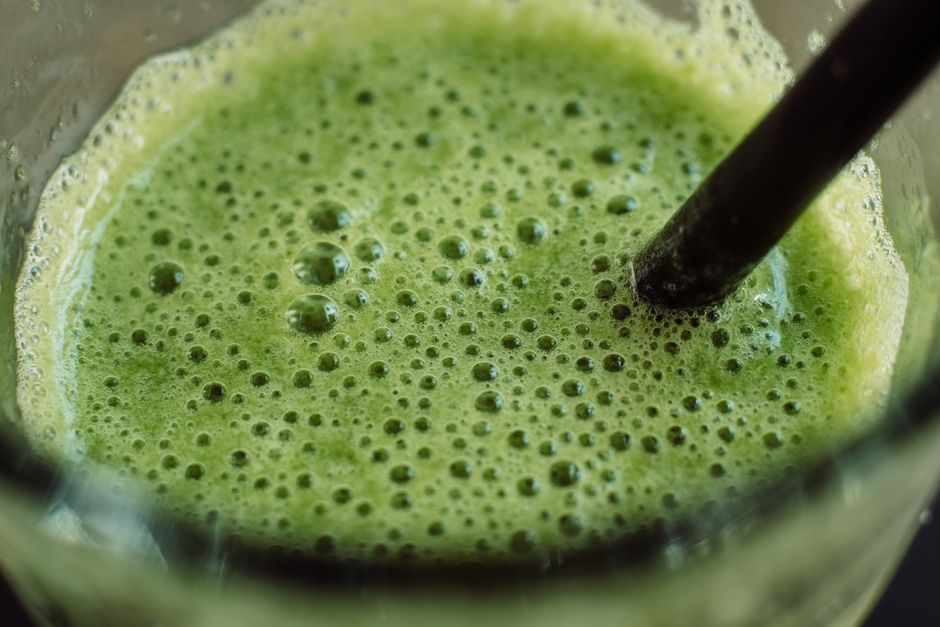
There is no single amount of prune juice that is right for every baby. For babies old enough to drink juice, a common starting point in infant care guidance is about 1 to 2 ounces (30 to 60 mL) of prune juice per day, sometimes diluted with an equal amount of water. Prune juice is only appropriate for babies who are already eating solid foods and drinking from a cup — generally around 6 months and older. It is not for newborns or young infants. If your baby is younger than 6 months, constipated, and uncomfortable, call your pediatrician rather than reaching for juice.
How Much Prune Juice For Constipation In A Baby?
The amount depends on your baby’s age and how they respond. Most infant feeding guidance suggests starting small and watching what happens over a day or two.
- 6 to 12 months: About 1 to 2 ounces (30 to 60 mL) per day is a typical starting range. Many clinicians suggest diluting it with an equal amount of water.
- Over 12 months: Up to 4 ounces (120 mL) per day is generally the upper range pediatric guidance gives for juice in this age group.
- Under 6 months: Juice is not recommended. No established guideline supports giving prune juice at this age.
These are starting points, not prescriptions. Your baby’s doctor can give you a specific amount based on your baby’s weight, diet, and how long the constipation has lasted.
One detail that surprises many parents: prune juice is not the only option, and it is not always the first one clinicians suggest. For mild constipation in a baby who has started solids, dietary changes — more water, more fiber-rich purees, fewer constipating foods — are often tried first. Juice is a tool, not a default.
Why Is Prune Juice Used For Baby Constipation?
Prunes and prune juice contain naturally occurring compounds that draw water into the intestines and stimulate movement. The main players are sorbitol, a sugar alcohol that acts as a laxative, and dietary fiber, which adds bulk to stool.
Sorbitol works by pulling water into the colon. That extra water softens hard stool and makes it easier to pass. Prune juice also contains some fiber, though less than whole prunes, since juicing removes much of the pulp.
This mechanism is well established. Sorbitol’s laxative effect is documented and understood. What is less well studied is how reliably prune juice works specifically in infants, and at what dose. Most of the evidence for prune juice as a laxative comes from adult studies. In babies, the practice is common but rests more on clinical experience than on large controlled trials.
That gap matters. It does not mean prune juice is unsafe or ineffective in babies. It means the exact dose is not pinned down by strong infant-specific research, so a cautious, small starting amount makes sense.
When Should A Baby Not Have Prune Juice?
Prune juice is not appropriate for every baby. Age is the biggest factor.
Babies under 6 months should not be given prune juice or any other juice. Their digestive systems are still developing, and their nutritional needs are met by breast milk or formula. Introducing juice this early can displace more nutritious feedings and, in rare cases, cause problems with fluid balance. For constipation in a young infant, the right move is to contact your pediatrician.
There are other situations where prune juice may not be the answer:
- Ongoing or severe constipation: If a baby has not had a bowel movement in several days, is in obvious pain, or has blood in the stool, this needs medical evaluation, not home remedies.
- Vomiting, poor feeding, or a swollen belly: These are signs to seek care promptly, not to try juice.
- Known allergies or sensitivities: Some babies react to the sugars in juice with gas or loose stools.
- Failure to thrive or feeding difficulties: Ask a doctor before adding anything new to the diet.
One point that gets lost in online advice: chronic constipation in a baby is not always simple. It can have underlying causes that juice will not fix and could delay treating. If constipation keeps coming back, that is a reason to see a doctor, not to keep increasing the juice.




How Do You Give Prune Juice To A Baby?
How you give it matters almost as much as how much. A few practical points help.
Dilute it. Mixing prune juice with an equal amount of water is common practice. This reduces the sugar concentration and makes it gentler on a baby’s stomach. It also stretches a small amount of juice further.
Offer it in a cup, not a bottle, for babies who are old enough. Drinking juice from a bottle can let a baby take in more than intended and can expose teeth to sugar for longer. For a baby still learning to use a cup, a small amount in a sippy cup or an open cup with help works.
Give it at a consistent time and watch for a response. Some parents offer it once a day. If nothing happens after a day or two, do not simply keep adding more. Check with your baby’s doctor.
Do not add sugar, honey, or anything else to the juice. Honey is not safe for babies under 12 months because of the risk of infant botulism. Plain, diluted prune juice is all that is needed.
What Else Helps Baby Constipation Besides Prune Juice?
Prune juice is one option among several. For a baby who has started solids, other approaches are often tried first or alongside it.
Dietary changes are a common first step. Foods that help include pureed prunes, pears, peaches, and peas. Foods that can make constipation worse include too much rice cereal, bananas, and applesauce. Adjusting the balance can help.
Extra water in small amounts is sometimes suggested for babies over 6 months who are eating solids. For younger babies, breast milk or formula provides all the fluid they need.
Gentle movement can help. Bicycle leg movements and a warm bath sometimes ease discomfort. These are comfort measures, not treatments, and their effect varies.
Other juices are sometimes used. Pear and apple juice contain sorbitol too, though at lower levels than prune juice. Some clinicians suggest them as gentler alternatives. The evidence for which juice works best in babies is limited.
What does not belong in a baby’s constipation routine: mineral oil, stimulant laxatives, enemas, or glycerin suppositories unless a doctor specifically recommends them. These can be harmful if used incorrectly in infants. Always get medical guidance before using any laxative product in a baby.
How Long Does It Take For Prune Juice To Work?
When it works, prune juice typically produces a bowel movement within several hours to a day. That timeline is general, not guaranteed. Response varies widely from baby to baby.
If there is no result after a day or two of trying a small amount, stop and check with your baby’s doctor. Increasing the amount on your own is not a good idea. More juice is not automatically better, and too much can cause loose stools, gas, or cramping.
It also helps to know what counts as constipation in a baby. Frequency alone can be misleading. A breastfed baby might go several days between bowel movements and be perfectly fine. Constipation is more about stool consistency — hard, dry, painful-to-pass stools — than about how many days have passed. If your baby seems comfortable and passes soft stool, they are likely not constipated, even if it has been a few days.
When Should You Call A Doctor?
Some situations call for medical care rather than home remedies. Contact your baby’s doctor if:
- Your baby is under 6 months and constipated.
- Constipation lasts more than a few days or keeps returning.
- There is blood in the stool or on the diaper.
- Your baby is in significant pain, is vomiting, or has a swollen belly.
- Your baby is not feeding well or is losing weight.
- Stool is very hard and large, or passing it clearly hurts.
These signs can point to causes that juice will not address. Getting a proper evaluation is the safer path. A doctor can also give you a specific amount of prune juice — or a different approach — tailored to your baby.
The bottom line: prune juice can help some babies over 6 months who have started solids, starting around 1 to 2 ounces a day, diluted. It is not for newborns, it is not always the first choice, and the exact dose is best confirmed with your baby’s doctor. When in doubt, ask.
Frequently Asked Questions
How much prune juice can I give my 6 month old for constipation?
A common starting amount is about 1 to 2 ounces (30 to 60 mL) per day, often diluted with an equal amount of water. Confirm the amount with your baby’s doctor, since it can depend on your baby’s size and diet.
Can I give prune juice to a 2 month old?
No. Babies under 6 months should not be given prune juice or any other juice. If a young infant is constipated, contact your pediatrician instead.
How long does prune juice take to relieve baby constipation?
When it works, it usually produces a bowel movement within several hours to a day. If nothing happens after a day or two, stop and check with your baby’s doctor rather than giving more.
Is prune juice or pear juice better for a constipated baby?
Both contain sorbitol, but prune juice has more of it and tends to have a stronger laxative effect. Pear juice is sometimes suggested as a gentler option, though the evidence for which works best in babies is limited.
