
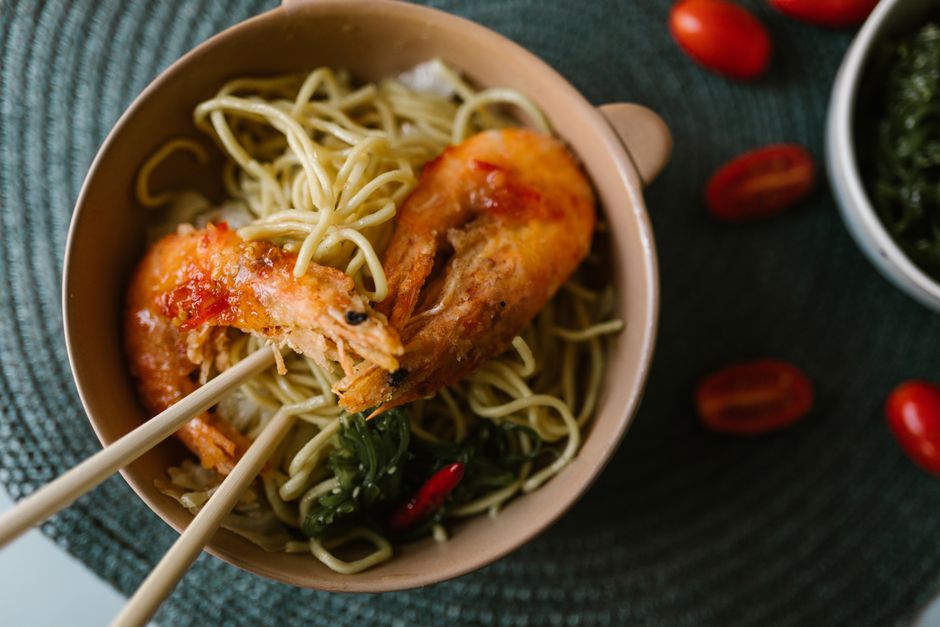
Constipation is one of the most common digestive complaints, and diet is usually the first place people look for relief. When you are trying to figure out what to eat, shrimp might not be the first food that comes to mind. The short answer is that shrimp is not a cure for constipation, but it is also not a food that will make it worse. It is a lean protein that fits into a balanced diet, but it lacks the specific nutrients—namely fiber—that actually move things along. Here is what you need to know about eating shrimp when you are constipated, and what foods actually help.
Does Shrimp Help Relieve Constipation?
No. Shrimp does not help relieve constipation because it contains no dietary fiber. Fiber is the main nutrient that adds bulk to stool and helps it pass through the digestive tract. Since shrimp is entirely animal protein, it provides zero grams of fiber per serving.
That does not mean shrimp is bad for constipation. It simply means it is neutral. Eating shrimp will not clog you up, and it will not clear you out. It is a low-residue food, which means it leaves very little undigested material in the colon. For most people, that is fine. For someone who is severely constipated, a diet made up mostly of low-fiber foods like shrimp can actually prolong the problem.
What Nutrients Are In Shrimp?
Shrimp is a nutrient-dense food. A standard 3-ounce serving provides about 20 grams of protein with very little fat. It is also one of the best food sources of iodine, which supports thyroid function, and it contains selenium, vitamin B12, and phosphorus.
Shrimp is also high in cholesterol. A 3-ounce serving contains roughly 180 milligrams of cholesterol. The old advice was to limit dietary cholesterol to 300 milligrams per day, but current research shows that dietary cholesterol has a smaller effect on blood cholesterol than saturated fat does. For most healthy people, eating shrimp in moderation is not a concern. If you have a history of high cholesterol or heart disease, talk to your doctor about how shrimp fits into your diet.
One important note: shrimp is a common allergen. Shellfish allergy is one of the top food allergies in adults. If you have never eaten shrimp before, start with a small amount to see how your body reacts.
Why Fiber Is The Real Answer For Constipation
Fiber is the nutrient that prevents and relieves constipation. It comes in two forms: soluble and insoluble. Soluble fiber dissolves in water and forms a gel that softens stool. Insoluble fiber adds bulk and helps stool move faster through the intestines.
Most adults need between 25 and 38 grams of fiber per day, depending on age and sex. Most Americans get about half of that. If you are constipated, increasing your fiber intake is one of the most effective dietary changes you can make.
Good sources of fiber include:
- Fruits like apples, pears, and berries
- Vegetables like broccoli, carrots, and leafy greens
- Whole grains like oats, quinoa, and brown rice
- Legumes like beans, lentils, and chickpeas
- Nuts and seeds, especially chia seeds and flaxseeds
Shrimp contains none of these. It is a protein, not a plant food. If you are eating shrimp as your main dish, you need to pair it with fiber-rich sides to actually address constipation.




Can Shrimp Cause Constipation?
Shrimp itself does not cause constipation. It is not binding like cheese or processed meats can be. However, a diet that relies heavily on shrimp and other animal proteins while skimping on plant foods can lead to constipation over time.
The issue is not the shrimp. The issue is what you are not eating. If shrimp replaces vegetables, fruits, and whole grains in your meals, your fiber intake drops. Low fiber intake is the most common dietary cause of constipation.
There is one scenario where shrimp might contribute to digestive discomfort. If you eat a very large amount of shrimp in one sitting, the high protein load can slow digestion. This is not constipation in the medical sense, but it can cause a feeling of fullness or sluggishness. Eating reasonable portions—about 3 to 4 ounces—is the safest approach.
Is Shrimp Good For Constipation What To Know About Preparation
How you prepare shrimp matters more than the shrimp itself. Fried shrimp, shrimp cooked in heavy butter, or shrimp served with creamy sauces add fat and refined carbohydrates to your plate. These additions can slow digestion and make constipation worse.
Grilled, boiled, or steamed shrimp is the better choice. These cooking methods add no extra fat and keep the shrimp as a clean protein source. Pairing shrimp with a fiber-rich side dish like a quinoa salad, steamed broccoli, or a bean-based soup creates a meal that supports regular digestion.
Also consider the sodium content. Shrimp is often sold pre-cooked or frozen with added salt for preservation. High sodium intake can contribute to dehydration, and dehydration is a known cause of constipation. Check the label for sodium content, or buy raw shrimp and season it yourself.
Hydration And Movement Matter Too
Fiber only works if you drink enough water. Fiber absorbs water in the digestive tract, which softens stool. If you increase your fiber intake without increasing your fluids, you can actually make constipation worse.
Most adults need around 8 cups of fluid per day, though needs vary based on activity level and climate. Water is the best choice. If you are eating shrimp—which contains some natural sodium—drinking enough water becomes even more important.
Physical activity also plays a role. Regular movement stimulates the muscles in your intestines, helping stool move through the colon. A daily walk of even 20 to 30 minutes can make a meaningful difference for constipation.
When To See A Doctor About Constipation
Occasional constipation is normal. Most people experience it at some point, and it usually resolves with dietary changes and hydration. But there are times when constipation warrants medical attention.
See a doctor if constipation lasts longer than three weeks, if you have severe abdominal pain, if you notice blood in your stool, or if you have unintentional weight loss. These symptoms can indicate an underlying condition that needs evaluation.
Constipation can also be a side effect of medications, including certain pain relievers, antidepressants, and blood pressure drugs. If you started a new medication around the same time your constipation began, talk to your doctor about options.
Other Seafood Options For Digestive Health
If you enjoy seafood and want options that may be more helpful for constipation, consider fatty fish like salmon or sardines. These fish contain omega-3 fatty acids, which have anti-inflammatory properties. Some research suggests that inflammation in the gut can contribute to digestive issues, though the evidence linking omega-3s specifically to constipation relief is limited.
Tinned fish like sardines and mackerel are also convenient sources of protein. They do not contain fiber either, but they offer a different nutrient profile than shrimp. Variety in your protein sources is generally a good idea.
For a seafood-based meal that actually helps constipation, pair any fish with a fiber-rich grain or vegetable. A salmon fillet over a bed of lentils, or shrimp stir-fried with bell peppers and brown rice, gives you both protein and the fiber your digestive system needs.
Frequently Asked Questions
Is it okay to eat shrimp when constipated?
Yes, shrimp is safe to eat when constipated. It just will not help relieve the constipation because it contains no fiber.
What seafood is best for constipation?
No seafood is specifically effective for constipation because all seafood lacks fiber. Pair any fish or shellfish with fiber-rich sides like vegetables, beans, or whole grains.
Can eating too much shrimp cause digestive problems?
Eating a very large portion of shrimp can slow digestion due to the high protein load. Stick to a standard 3 to 4 ounce serving to avoid discomfort.
What foods should I avoid when constipated?
Limit highly processed foods, fried foods, and excessive dairy, as these can slow digestion. Focus on increasing fiber and water instead.
