
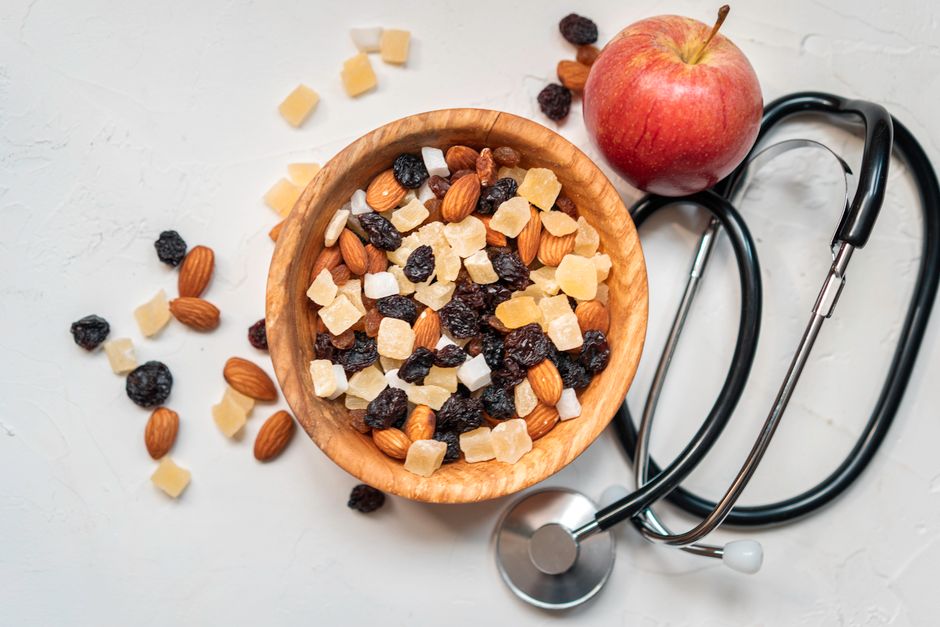
An apple is not a significant source of protein. A medium-sized apple, about 3 inches in diameter, contains roughly 0.5 grams of protein. For comparison, that is less than one percent of the daily protein needs for an average adult. While apples are excellent sources of fiber, vitamin C, and various antioxidants, anyone looking to meet their protein requirements will need to look elsewhere on their plate.
How Much Protein Is In An Apple?
A medium apple has about 0.5 grams of protein. A small apple may have closer to 0.3 grams, while a large apple might reach 0.6 grams. These differences are so small that they rarely matter for daily nutrition tracking.
Protein is made up of amino acids, which are the building blocks for muscles, skin, enzymes, and hormones. Apples simply do not contain enough of these building blocks to contribute meaningfully to your daily intake. The protein in an apple is also incomplete, meaning it does not provide all the essential amino acids your body cannot make on its own.
Why Do People Ask About Protein in Apples?
Many people ask this question when they are planning high-protein diets or tracking their daily macronutrients. Others ask because they want to know if a fruit-based snack can help them recover after a workout or keep them full between meals.
The honest answer is that apples are not a protein food. They are a carbohydrate food. A medium apple contains about 25 grams of total carbohydrates, mostly in the form of natural sugars and fiber. The fiber, about 4 grams per medium apple, is what helps with satiety and digestive health.
Some viral social media posts have suggested that apples contain surprising amounts of protein. These claims are incorrect. The USDA nutrient database, which is the standard reference for food composition in the United States, consistently lists apples at approximately 0.5 grams of protein per medium fruit.
How Does an Apple Compare to Other Foods?
To put the protein content in perspective, consider what 0.5 grams actually means in the context of a daily diet. The average sedentary adult needs about 0.8 grams of protein per kilogram of body weight. For a person weighing 70 kilograms, or about 154 pounds, that comes to roughly 56 grams of protein per day.
You would need to eat more than 100 medium apples to reach that daily target. That would be an impractical amount of fruit and an enormous amount of sugar.
Here is a quick comparison of protein content in common foods:
- Medium apple: 0.5 grams
- One large egg: 6 grams
- 3 ounces of chicken breast: 26 grams
- 1 cup of cooked lentils: 18 grams
- 1 cup of Greek yogurt: 20 grams
- 1 tablespoon of peanut butter: 4 grams
This comparison shows why apples are not used as a protein source in any dietary plan. They are valuable for other reasons, but protein is not one of them.





What Does an Apple Actually Provide?
Apples offer several genuine nutritional benefits that are worth knowing about. The fiber content is the most significant. A medium apple with the skin on provides about 4 grams of fiber, which is roughly 14 percent of the daily recommended intake for adults.
Apples are also a good source of vitamin C. One medium apple provides about 8.4 milligrams, which is around 9 percent of the recommended daily value. Vitamin C is an antioxidant that supports immune function and skin health.
The skin of the apple contains most of the fiber and a large share of the antioxidants. These antioxidants, including quercetin and catechin, have been studied for their potential role in reducing inflammation and supporting heart health. Some research suggests that regular apple consumption is associated with a lower risk of cardiovascular disease, though the exact mechanism is not fully understood.
Can Apples Help With Weight Management?
Apples can play a supporting role in weight management, but not because of protein. The fiber and water content in apples contribute to a feeling of fullness. Eating an apple before a meal may lead to consuming fewer calories overall, according to some studies.
The key factor here is volume. A medium apple takes up space in the stomach and provides chewing resistance that signals fullness to the brain. This satiety effect is real but short-lived. Protein, by contrast, provides longer-lasting satiety because it takes more time and energy to digest.
If your goal is to stay full for hours, pair an apple with a protein source. Apple slices with peanut butter, for example, combine the fiber and volume of the fruit with the protein and healthy fats of the nut butter. This combination will keep you satisfied far longer than an apple alone.
Are There Any Fruits With Meaningful Protein?
Most fruits are low in protein, but a few stand out slightly from the rest. Guava contains about 2.6 grams of protein per cup. Avocado, which is botanically a fruit, provides about 3 grams per cup. Blackberries and raspberries each offer around 2 grams per cup.
These numbers are still modest. No fruit can serve as a primary protein source. Even the highest-protein fruits provide less protein per serving than a single egg or a small handful of nuts.
Dried fruits like apricots and raisins contain slightly more protein per serving than their fresh counterparts, but only because water has been removed. The protein concentration increases, but the total amount remains small.
How to Meet Your Protein Needs Without Overthinking It
For most healthy adults, meeting protein needs does not require careful planning. A varied diet that includes any combination of meat, fish, eggs, dairy, legumes, nuts, or soy products will typically provide enough protein.
People who are more physically active, pregnant, or recovering from illness may need more protein. Athletes and older adults are two groups where protein intake deserves more attention. Research suggests that older adults may benefit from slightly higher protein intake to preserve muscle mass, though specific recommendations vary by individual health status.
The practical takeaway is simple. Enjoy apples for their taste, fiber, and convenience. Just do not count on them for protein. If you are tracking your intake, log the apple as a carbohydrate source and get your protein from foods that actually contain meaningful amounts.
Frequently Asked Questions
How many grams of protein are in a whole apple?
A medium whole apple contains about 0.5 grams of protein. The amount ranges from roughly 0.3 grams in a small apple to 0.6 grams in a large one.
Is an apple a good source of protein?
No, apples are not a meaningful protein source. They provide less than one percent of the average daily protein requirement and contain incomplete protein.
What fruit has the most protein?
Guava has more protein than most fruits, with about 2.6 grams per cup. Avocado and blackberries also contain slightly higher protein than apples, but no fruit is a significant protein source.
Should I eat apples on a high-protein diet?
Yes, you can eat apples on a high-protein diet, but count them as carbohydrates. They provide fiber and nutrients, yet you will still need to get protein from other foods like meat, eggs, dairy, or legumes.
