
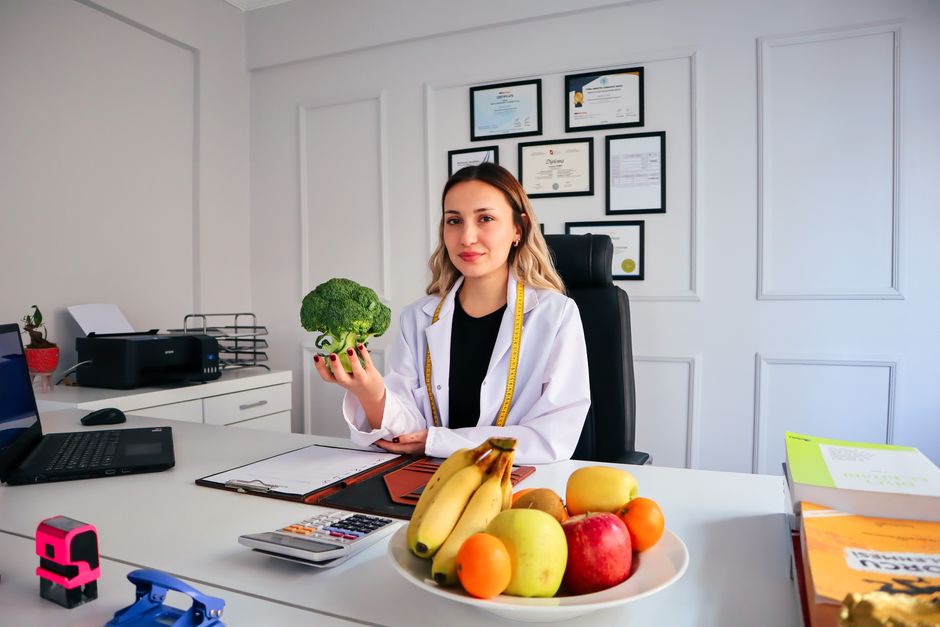
Broccoli is not a high-protein food. A single cup of chopped raw broccoli (about 91 grams) contains roughly 2.5 grams of protein. A full 100-gram serving provides about 2.8 grams. For comparison, that is less than half the protein in a single large egg. Broccoli is a vegetable first, not a protein source. You should eat it for its fiber, vitamins, and antioxidants, not for building muscle.
How Much Protein Is in a Serving of Broccoli?
The exact number depends on how you measure your serving. Standard measurements include raw cups, cooked cups, and weight in grams. Here is the breakdown based on USDA nutritional data:
- 1 cup chopped raw broccoli (91 g): 2.5 grams of protein
- 1 cup cooked broccoli (156 g): 3.7 grams of protein
- 100 grams raw broccoli: 2.8 grams of protein
- 1 medium stalk (about 151 g): 4.3 grams of protein
Cooking changes the numbers because water leaves the vegetable. A cup of cooked broccoli weighs more than a cup of raw broccoli because it is more densely packed. The protein content per gram stays roughly the same, but you fit more broccoli into the same cup measure after cooking.
The takeaway is simple. Even a large serving of broccoli gives you about 4 grams of protein. That is less than a slice of bread or a quarter cup of beans.
How Does Broccoli Protein Compare to Other Foods?
Putting broccoli side by side with actual protein sources makes the gap clear. This comparison uses standard 100-gram portions:
| Food (100 g) | Protein | Calories |
|---|---|---|
| Broccoli, raw | 2.8 g | 34 |
| Chicken breast, cooked | 31 g | 165 |
| Egg | 12.6 g | 155 |
| Black beans, cooked | 8.9 g | 132 |
| Quinoa, cooked | 4.4 g | 120 |
| Greek yogurt, plain | 10 g | 59 |
Broccoli is not remotely close to animal proteins. It also falls well below beans and legumes. Even quinoa, which is often called a “complete protein,” has nearly double the protein of broccoli by weight.
The comparison matters because many online articles describe broccoli as a “good source of protein.” That is misleading. Broccoli contains protein, but the amount is too small to meaningfully contribute to your daily protein needs.
Is Broccoli Protein a “Complete” Protein?
A complete protein contains all nine essential amino acids in adequate amounts. Animal foods like meat, eggs, and dairy are complete. Soy and quinoa are complete plant proteins.
Broccoli is not a complete protein. It contains all nine essential amino acids, but several are present in very low amounts. The limiting amino acid in broccoli is leucine, which is critical for muscle protein synthesis. You would need to eat an unrealistic amount of broccoli to get enough leucine for muscle building.
This does not make broccoli useless. The protein it does provide still counts toward your daily total. Your body breaks it down and uses the amino acids alongside protein from other foods. The outdated idea that you must combine plant proteins at every meal has been disproven. As long as you eat a variety of foods throughout the day, your body gets what it needs.
But if someone tells you broccoli is a complete protein, they are wrong. It is an incomplete protein that contributes small amounts of amino acids to an overall diet.




Can You Build Muscle Eating Broccoli?
No. Not from broccoli alone. The math makes this clear.
A person who weighs 150 pounds needs roughly 55 to 70 grams of protein per day for general health. For muscle building, the range increases to about 100 to 130 grams daily. To get 50 grams of protein from broccoli, you would need to eat nearly 1.8 kilograms of it. That is about 4 pounds of broccoli in a single day.
Eating 4 pounds of broccoli is not realistic. It would cause severe bloating, gas, and digestive discomfort. The fiber content alone would overwhelm most digestive systems.
Broccoli does contain a compound called sulforaphane, which some research suggests may have anti-inflammatory effects. But no study has shown that sulforaphane builds muscle. Muscle growth requires adequate total protein intake, resistance training, and a calorie surplus. Vegetables support overall health, but they do not drive muscle growth.
What Does Broccoli Actually Provide?
Broccoli earns its reputation as a health food for reasons unrelated to protein. A 100-gram serving of raw broccoli provides:
- Vitamin C: About 89 mg, which is more than an orange
- Vitamin K: About 102 mcg, which covers most of your daily need
- Folate: About 63 mcg
- Fiber: About 2.6 grams
- Potassium: About 316 mg
Broccoli is also rich in glucosinolates, which are sulfur-containing compounds. When you chop or chew broccoli, an enzyme called myrosinase converts these compounds into sulforaphane. Some studies suggest sulforaphane has antioxidant and anti-inflammatory properties, though most of this research is in animals or test tubes. Human studies are limited and results are mixed.
What is well established is that diets rich in cruciferous vegetables are associated with lower risks of certain chronic diseases. The evidence for this comes from large observational studies that track dietary patterns over many years. These studies cannot prove cause and effect, but the pattern is consistent.
How to Add Protein to a Broccoli Meal
Broccoli works well as a side dish or as part of a mixed meal. If you want more protein, pair it with foods that actually contain meaningful amounts. Here are practical combinations:
- Broccoli and chicken: A stir-fry with 4 ounces of chicken adds about 25 grams of protein.
- Broccoli and eggs: Two eggs add about 12 grams of protein.
- Broccoli and quinoa: One cup of cooked quinoa adds about 8 grams of protein.
- Broccoli and tofu: Half a cup of firm tofu adds about 10 grams of protein.
- Broccoli and cheese: One ounce of cheddar adds about 7 grams of protein, though it also adds saturated fat and calories.
The point is not to avoid broccoli. The point is to be honest about what it provides. Broccoli is a nutrient-dense vegetable that supports overall health. It is not a protein source that will move the needle on your daily intake.
If you are tracking protein for muscle gain, weight loss, or athletic performance, count broccoli as a vegetable serving, not a protein serving. Your protein goals should come from meat, fish, eggs, dairy, legumes, or soy products.
Do Other Vegetables Have More Protein Than Broccoli?
Some do, but the differences are modest. Here are the protein values for 100 grams of common vegetables:
- Spinach (cooked): 2.9 g
- Asparagus (cooked): 2.2 g
- Brussels sprouts (cooked): 2.6 g
- Green peas (cooked): 5.4 g
- Kale (raw): 2.9 g
- Cauliflower (raw): 1.9 g
Green peas stand out as the highest-protein common vegetable. But even peas are not a meaningful protein source compared to animal foods or legumes. The difference between 2.8 grams and 5.4 grams is negligible in the context of a 100-gram daily protein goal.
The broader point stands. Vegetables are not protein foods. They are carbohydrate and fiber foods with small amounts of protein attached. No vegetable, including broccoli, should be relied upon for protein intake.
Should You Change How You Eat Broccoli?
No. Broccoli remains a valuable part of a healthy diet. The confusion is not about whether broccoli is good for you. It is about what role it plays in your nutrition.
Eat broccoli for the fiber that supports digestion. Eat it for the vitamin C that supports immune function. Eat it for the vitamin K that supports blood clotting and bone health. Eat it because it is a low-calorie food that fills you up without adding excess energy to your day.
Do not eat broccoli expecting it to meet your protein needs. That expectation is not supported by the nutritional data, and it sets you up for inadequate protein intake if you rely on it.
The honest summary is this: broccoli contains about 2.8 grams of protein per 100 grams. That is a real number, but it is a small one. Treat broccoli as the vegetable it is, and get your protein from foods that actually provide it.
Frequently Asked Questions
How much protein is in one cup of broccoli?
One cup of chopped raw broccoli contains about 2.5 grams of protein. One cup of cooked broccoli contains about 3.7 grams because more broccoli fits in the same cup measure.
Is broccoli a good source of protein?
No. Broccoli provides about 2.8 grams of protein per 100 grams, which is too little to meaningfully contribute to daily protein needs. It is a good source of fiber, vitamin C, and vitamin K, not protein.
Can broccoli replace meat for protein?
No. You would need to eat about 4 pounds of broccoli to get the same protein as a single chicken breast. Broccoli is not a substitute for animal or legume protein sources.
Does cooking broccoli change its protein content?
Cooking does not destroy the protein in broccoli. The protein per gram stays about the same, but cooked broccoli weighs less due to water loss, so a cup of cooked broccoli contains more protein than a cup of raw broccoli.
