
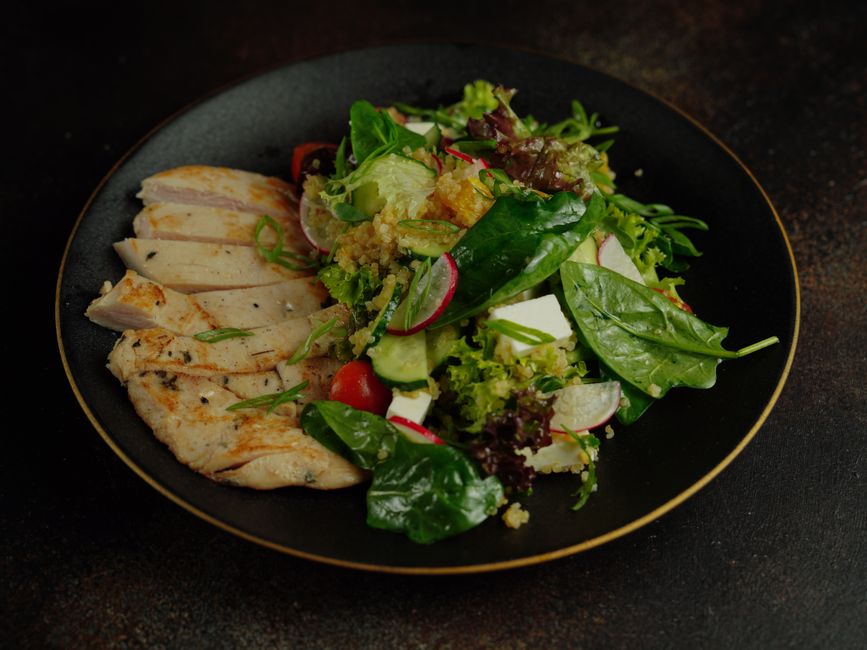
Chicken is one of the most popular sources of protein in the American diet, and for good reason. A standard 3-ounce serving of cooked chicken breast provides roughly 26 grams of protein. That single serving covers more than half of the daily protein need for an average sedentary adult. The exact amount varies by cut, cooking method, and whether you eat the skin.
How Much Protein Does Chicken Contain by Cut?
Protein content differs significantly between chicken parts. The breast is the leanest and most protein-dense cut. Dark meat from the thighs and legs contains slightly less protein per serving because it has more fat and connective tissue.
These are approximate values for a 3-ounce (85-gram) serving of cooked chicken without skin:
- Chicken breast: 26 grams of protein
- Chicken thigh: 24 grams of protein
- Chicken drumstick: 23 grams of protein
- Chicken wing: 22 grams of protein
These numbers come from standard USDA food composition data. Skin adds fat and calories but does not significantly change protein content. A 3-ounce serving with skin still contains roughly the same protein, just more total calories.
Ground chicken varies depending on the fat content of the blend. A 3-ounce serving of cooked ground chicken typically provides 21 to 22 grams of protein.
Why Chicken Breast Is the Standard for High Protein
Chicken breast is the reference point for high-protein diets because it delivers maximum protein with minimal fat. A 3-ounce serving of skinless, boneless chicken breast contains about 26 grams of protein and only 3 grams of fat. That translates to roughly 140 calories.
By comparison, the same serving of chicken thigh contains about 24 grams of protein and 9 grams of fat, totaling around 170 calories. The difference matters for people tracking macros or trying to lose weight while preserving muscle.
Chicken breast is also nearly pure protein. Over 80 percent of its calories come from protein. This makes it one of the most efficient protein sources available in any food category.
How Cooking Method Affects Protein Content
Cooking does not destroy the protein in chicken. Heat can slightly denature protein structures, but the amino acids remain intact and usable by your body. What changes is the weight and concentration.
Raw chicken weighs more than cooked chicken because it contains water. A 4-ounce raw chicken breast shrinks to about 3 ounces after cooking as moisture evaporates. The protein content stays the same, but it becomes more concentrated per ounce.
This is why nutrition labels and dietary databases specify whether values refer to raw or cooked weight. If you weigh your food raw, 4 ounces of raw chicken breast contains about 26 grams of protein. If you weigh it after cooking, 3 ounces of cooked meat provides that same 26 grams.
Frying or breading adds carbohydrates and fat but does not remove protein. Grilling, baking, roasting, and poaching are all neutral cooking methods that preserve the protein content without adding significant calories.



Complete Protein Quality: What Chicken Provides
Chicken is a complete protein, meaning it contains all nine essential amino acids your body cannot produce on its own. Your body needs these amino acids to build and repair muscle tissue, produce enzymes, and support immune function.
The protein in chicken is highly digestible. The body absorbs and uses most of the protein you consume from chicken, unlike some plant proteins that have lower bioavailability. This makes chicken an efficient choice for meeting daily protein needs.
One important detail: the amino acid profile of chicken is similar to other animal proteins like beef, pork, fish, and eggs. There is nothing unique about chicken’s amino acids that makes it superior to other animal proteins. It is simply a lean, convenient, and affordable way to get high-quality protein.
How Much Protein Do You Actually Need?
The Recommended Dietary Allowance (RDA) for protein is 0.8 grams per kilogram of body weight per day. For a 150-pound adult, that equals about 54 grams of protein daily. This is the minimum amount needed to prevent deficiency, not an optimal target for active people.
For most healthy adults, a more practical range is 1.2 to 2.0 grams per kilogram of body weight. This supports muscle maintenance, recovery from exercise, and healthy aging. A 150-pound person aiming for 1.6 grams per kilogram would need about 109 grams of protein daily.
To put that in perspective: a single 3-ounce chicken breast provides roughly one quarter of that daily target. Two servings of chicken plus other protein sources like eggs, dairy, beans, or fish would comfortably cover daily needs for most people.
Athletes and older adults often need more protein. Older adults may benefit from higher intake to slow age-related muscle loss. People doing intense resistance training also require more protein to support muscle repair and growth.
Chicken Compared to Other Protein Sources
Chicken holds up well against other common protein foods. Per 3-ounce serving of cooked meat, here is how protein compares:
- Chicken breast: 26 grams
- Lean beef (sirloin): 25 grams
- Pork loin: 24 grams
- Salmon: 22 grams
- Eggs (2 large): 12 grams
- Greek yogurt (3/4 cup): 15 grams
- Tofu (3 ounces): 8 grams
The differences between animal proteins are small. What matters more is the fat content and calorie density. Chicken breast is lower in saturated fat than most cuts of beef and pork, which is why it appears so often in heart-healthy dietary patterns.
Plant proteins like beans, lentils, and tofu provide protein but generally require larger portions to match the protein content of chicken. They also tend to be incomplete proteins, though eating a variety of plant foods across the day covers all essential amino acids.
Practical Tips for Getting the Most Protein From Chicken
Buying chicken with the skin on and removing it after cooking is a practical way to keep meat moist while reducing fat. The skin adds flavor during cooking but can be discarded before eating to cut calories.
Weighing chicken raw is more accurate for tracking protein intake. If you meal prep and cook in bulk, weigh the total cooked amount and divide by the number of portions to keep your numbers consistent.
Shredded chicken is easy to add to salads, rice bowls, soups, and wraps. A cup of shredded chicken breast contains roughly 38 grams of protein, making it simple to boost the protein content of any meal.
Canned chicken is a convenient option with similar protein content to fresh. A 3-ounce serving of canned chicken provides about 22 grams of protein. Check the sodium content if you eat it regularly, as some brands add significant salt.
Chicken is versatile and inexpensive compared to many other protein sources. It stores well, cooks quickly, and pairs with almost any cuisine. These practical factors matter as much as the nutrition profile for people trying to maintain a high-protein diet consistently.
Common Myths About Chicken and Protein
One persistent myth is that eating more protein than your body needs builds more muscle. Muscle growth requires resistance training combined with adequate total protein. Consuming excess protein beyond what your body uses does not automatically create more muscle. The surplus is either used for energy or stored as fat.
Another myth is that chicken is the only worthwhile protein source for building muscle. Any complete protein source works. Chicken is popular because it is lean, affordable, and easy to cook, not because it has special muscle-building properties.
Some people worry that eating chicken daily is unhealthy. There is no evidence that moderate daily chicken consumption poses health risks for most people. The bigger concern is preparation method. Deep-fried chicken or heavily processed chicken products add unhealthy fats and sodium that undermine the nutritional benefits.
A final misconception is that raw chicken has more protein than cooked chicken. The protein content is identical. Raw chicken just weighs more because of water content. Cooking removes water, not protein.
Frequently Asked Questions
How many grams of protein are in a chicken breast?
A 3-ounce cooked chicken breast contains about 26 grams of protein. A larger 6-ounce breast provides roughly 52 grams.
Is chicken breast or thigh higher in protein?
Chicken breast has slightly more protein than thigh. A 3-ounce serving of breast has about 26 grams while thigh has about 24 grams.
How much protein is in a whole chicken?
A whole roasted chicken weighing about 3.5 pounds yields roughly 100 to 120 grams of protein total. The amount depends on the bird’s size and how much meat you eat.
Does cooking chicken reduce its protein?
No. Cooking does not destroy protein in chicken. The meat loses water during cooking, so protein becomes more concentrated by weight.
