
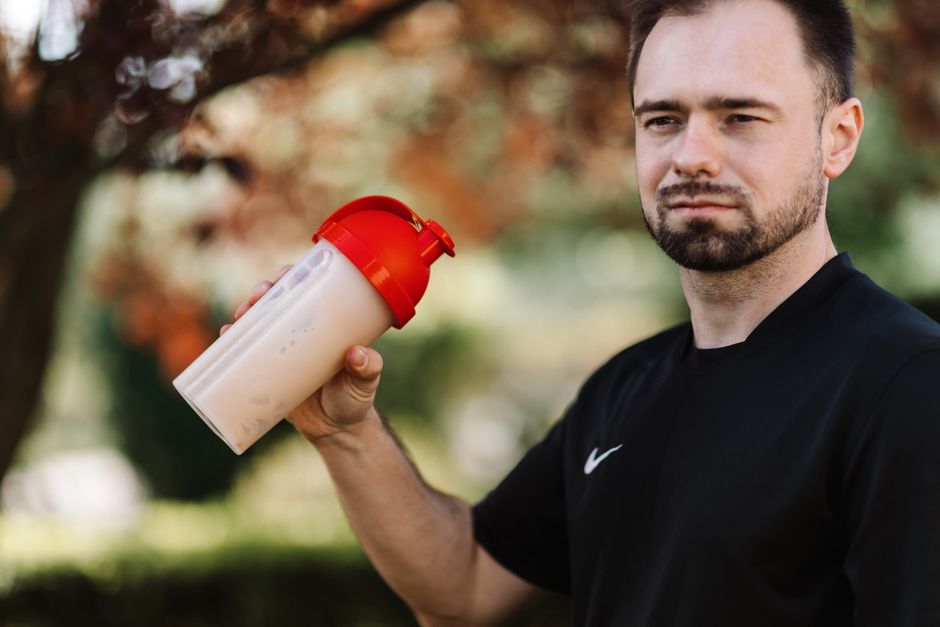
Protein powder does not cause kidney stones in most healthy people. The kidneys handle protein from food and supplements well, and there is no strong evidence that a high-protein diet by itself creates stones in people with normal kidney function. What matters more is how much fluid you drink, how much sodium and oxalate you take in, and whether you have a personal or family history of stones. Those factors shape stone risk far more than a scoop of whey or plant protein.
That said, a few specific situations deserve real attention. Some protein powders are made from ingredients high in oxalate. Some people form stones because of an underlying metabolic condition. And a very high protein intake combined with low fluid intake is a pattern worth understanding. Here is what the evidence actually shows.
How do kidney stones form in the first place?
A kidney stone forms when certain substances in urine become concentrated enough to clump together into crystals. The most common type by far is calcium oxalate. Others include calcium phosphate, uric acid, struvite, and cystine stones. Calcium oxalate accounts for the large majority of stones in most populations.
Urine is mostly water. When you drink enough, the waste products in it stay diluted and pass out without forming crystals. When you drink too little, those same substances concentrate. That is why low fluid intake is one of the most consistent risk factors for stones across the research.
Several things push urine toward crystal formation:
- Low urine volume from not drinking enough
- High sodium intake, which increases calcium lost in urine
- High oxalate intake in people prone to oxalate stones
- Low citrate in urine, since citrate helps block crystal formation
- Certain medical conditions and some medications
Notice what is not on that list as a primary driver: protein itself. Protein does affect urine chemistry in ways we will get to, but it is not the main lever for most stone formers.
Does protein powder increase kidney stone risk?
No clinical evidence currently confirms that protein powder causes kidney stones in healthy adults. The concern comes from physiology, not from trials showing harm. High protein intake can slightly lower urine pH and raise urine calcium, and both of those changes could, in theory, favor stone formation. But whether that translates into actual stones in real people has not been demonstrated in strong human studies.
This is an important distinction. Biological plausibility is not the same as proven clinical harm. A mechanism that looks logical does not automatically produce disease. Researchers have looked at high-protein diets and stone risk for years, and the picture is not a clean “protein causes stones” story.
One nuance is worth knowing. In people who already form stones, very high protein intake is sometimes discussed as a factor to moderate, but the evidence is not strong enough to make blanket recommendations. Some clinicians advise stone formers to keep protein within normal ranges rather than loading up. That is reasonable clinical practice, not a settled finding.
Which protein powders are higher in oxalate?
This is where the type of powder genuinely matters. Oxalate is a natural compound found in many plant foods, and it is a direct building block of the most common kidney stones. Some plant-based protein powders are made from ingredients that are relatively high in oxalate.
Whey and other dairy-based proteins are low in oxalate. Egg white protein is also low. Among plant proteins, the oxalate content varies widely depending on the source. Powders built mainly from pea protein, soy, or rice tend to be lower. Powders that lean heavily on ingredients like almond, sesame, or certain seed and vegetable blends can carry more oxalate.
Exact oxalate content is not listed on most labels, and it varies by brand and batch. If you form oxalate stones and use plant protein powder, that is a reasonable thing to raise with your doctor or a dietitian rather than guess about.
| Protein powder type | Typical oxalate level |
|---|---|
| Whey | Low |
| Egg white | Low |
| Pea protein | Generally lower |
| Soy protein | Generally lower |
| Seed, nut, and vegetable blends | Variable, can be higher |
This table describes general patterns, not measured values. Treat it as a starting point for a conversation, not a shopping rule.



Does high protein intake affect urine chemistry?
Yes, and the effects are real but modest. Eating more protein, especially animal protein, can slightly increase the amount of calcium your kidneys excrete and lower urine pH a little. It can also reduce urine citrate, which normally helps prevent crystals from forming.
These changes are measurable. What is less clear is how much they matter in someone who drinks enough water and does not already form stones. In a well-hydrated person with normal kidney function, the body manages protein waste without difficulty. The stone-forming potential of a high-protein diet appears to depend heavily on everything else in the diet and on the person’s own biology.
Here is a non-obvious point that often gets lost. The type of protein may matter less than what comes with it. A high-protein diet that is also low in fluids, high in sodium, and low in fruits and vegetables creates a much more stone-friendly environment than protein alone. The context does most of the work.
Who actually needs to be careful with protein powder?
People with a history of kidney stones, a strong family history, or certain metabolic conditions have reason to be more thoughtful. If you have already formed stones, you are at higher risk of forming more, and diet changes can matter. That is a conversation to have with a doctor who can look at your actual stone type.
Stone type matters a great deal here. Someone who forms calcium oxalate stones has different considerations than someone who forms uric acid stones. Knowing your stone type is more useful than any general rule about protein.
People with reduced kidney function should discuss protein intake with their doctor before adding supplements. This is not because protein powder causes stones, but because the kidneys process protein waste, and reduced function changes how much is appropriate. Established guidance for people with kidney disease is specific and should come from a clinician, not a general article.
For everyone else, the standard advice for lowering stone risk does not center on protein at all:
- Drink enough fluid to keep urine pale and plentiful
- Keep sodium intake moderate
- Get calcium from food rather than cutting it out, since dietary calcium actually helps bind oxalate in the gut
- Limit high-oxalate foods only if you are prone to oxalate stones
That last point surprises people. Cutting calcium is a common mistake. Eating normal amounts of calcium with meals can reduce oxalate absorption, which is part of why extreme calcium restriction is not recommended for most stone formers.
What should you do if you are worried about protein powder and stones?
Start with hydration. It is the single most consistent and well-supported step for reducing stone risk. Protein powder choices come after that, not before.
If you have never had a stone and have no family history, there is no established reason to avoid protein powder for stone prevention. If you have had stones, ask your doctor what type they were and whether your diet should change. Bring up any supplements you take, including protein powder, so the advice fits your situation.
The evidence on protein powder and kidney stones is genuinely limited. Anyone who tells you protein powder is proven to cause stones, or proven to be completely irrelevant, is overstating what we know. The honest position is that for most healthy people it is not a meaningful risk factor, and for people who already form stones, it is worth a specific conversation rather than a blanket rule.
Frequently Asked Questions
Can whey protein cause kidney stones?
No strong evidence shows that whey protein causes kidney stones in healthy people. Whey is low in oxalate, and the main stone risk factors are low fluid intake, high sodium, and personal stone history.
Is plant protein worse for kidney stones than whey?
It depends on the plant source, because some seed and vegetable blends are higher in oxalate than whey. Pea and soy proteins are generally lower, but exact oxalate content is not on labels.
How much water should I drink to prevent kidney stones?
General guidance is to drink enough fluid to produce a good volume of pale urine each day, and your doctor can give a target based on your history. Fluid intake is the most consistent dietary factor linked to lower stone risk.
Should I stop protein powder if I have had a kidney stone?
Not automatically, but it is worth discussing with your doctor, especially once you know your stone type. The right advice depends on your stone type, diet, and fluid intake rather than protein powder alone.
