
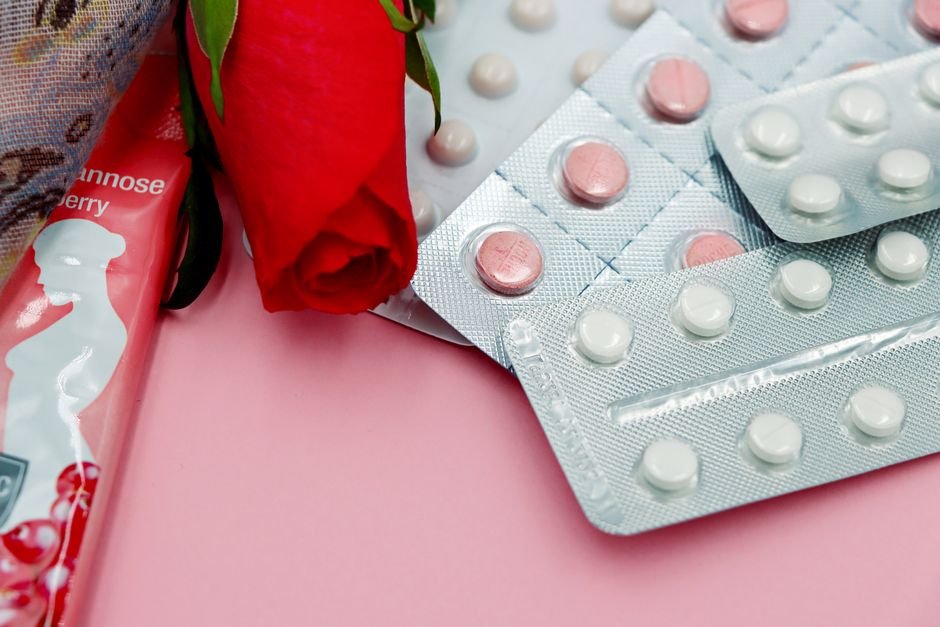
For many people, the short answer is yes. Hormone replacement therapy (HRT) can increase libido, but it is not a guaranteed outcome for everyone. The effect depends heavily on the type of hormones used, the reason for treatment, and the individual’s overall health.
When estrogen levels drop during menopause, many women experience a decline in sexual desire. Replacing those hormones often restores energy, reduces vaginal dryness, and improves mood—all of which can help bring desire back. However, estrogen alone does not always fix a low sex drive. Testosterone, though often thought of as a male hormone, also plays a key role in female sexual function, and some therapies include it specifically to address libido.
How Does Hormone Replacement Therapy Affect Sex Drive?
Hormones influence sexual desire through multiple pathways. They affect brain chemistry, blood flow, nerve sensitivity, and tissue health in the genital area. When these systems are working well, arousal and desire are easier to access.
Estrogen therapy helps maintain the health of vaginal tissue. It keeps the lining moist, elastic, and well-supplied with blood. This reduces pain during intercourse, which is a common reason women avoid sex after menopause. When sex is no longer painful, desire often returns naturally.
Estrogen also stabilizes mood and sleep. Hot flashes and night sweats can disrupt rest for months or years. Chronic poor sleep drains energy and patience, and it is hard to feel interested in sex when you are exhausted. Many women report that once these symptoms improve, their interest in intimacy improves as well.
Testosterone is the hormone most directly linked to sexual desire in both men and women. In women, the ovaries and adrenal glands produce small amounts of testosterone. As women age, these levels decline. Some research suggests that adding testosterone to an estrogen-based HRT regimen can improve libido more than estrogen alone.
Does Estrogen Alone Increase Libido?
Estrogen alone can increase libido indirectly, but not for everyone. For women whose low desire stems from painful sex, vaginal dryness, or poor sleep, estrogen therapy often resolves those issues and desire improves as a result.
However, some women find that estrogen alone does little for their sex drive. This is because estrogen does not directly stimulate the brain centers responsible for desire in the same way testosterone does. If a woman’s testosterone levels are very low, estrogen-only therapy may leave her feeling physically comfortable but still uninterested in sex.
In men, estrogen therapy is rarely used for libido. Men with prostate cancer sometimes receive estrogen therapy, and a common side effect is reduced sexual desire. So the effect of estrogen on libido is not universal—it depends on the person’s baseline hormone levels and the reason for treatment.
What Role Does Testosterone Play in HRT for Women?
Testosterone therapy for women is a topic of growing interest, but it remains somewhat controversial. In many countries, testosterone is not officially approved for treating low libido in women. Doctors can prescribe it “off-label,” which means it is legal but not specifically licensed for this purpose.
Research published in the New England Journal of Medicine and other major journals has found that testosterone therapy can significantly improve sexual desire, arousal, and satisfaction in postmenopausal women. These studies typically used a low dose of testosterone added to standard estrogen therapy.
The effect is not instant. Most women notice improvements in desire after several weeks of treatment. The full benefit may take three to six months to appear. This is important to understand because some people expect a quick fix and stop treatment too early.
Side effects can occur with testosterone therapy. These include acne, excess facial hair, and a deepening of the voice. These effects are dose-dependent, meaning they are more likely at higher doses. Doctors who prescribe testosterone to women usually monitor blood levels closely to keep them in a safe range.





Does HRT Help Men with Low Libido?
In men, the situation is different. Testosterone replacement therapy (TRT) is the standard treatment for men with clinically low testosterone levels, a condition called hypogonadism. When a man’s testosterone is genuinely low, TRT often restores libido within weeks.
Men with normal testosterone levels do not typically benefit from TRT. Taking extra testosterone when levels are already normal does not reliably boost desire further. It can actually cause problems, including reduced sperm production and an increased risk of blood clots.
For men, the question “Does hormone replacement therapy increase libido?” has a clearer answer when testosterone is deficient: yes, it often does. But for men with normal levels, the evidence does not support using HRT to enhance sex drive.
What Are the Risks of Using HRT for Libido?
HRT is not without risks, and these must be weighed against the benefits. The risks vary depending on the type of hormone, the dose, the delivery method, and the person’s medical history.
For women, estrogen therapy is associated with a small increased risk of blood clots and stroke, particularly when taken in pill form. Transdermal patches and gels carry a lower risk of blood clots than oral pills. The risk is higher in women who smoke, are over 60, or have a history of blood clots.
Estrogen plus progestin, which is recommended for women who still have a uterus, carries a small increased risk of breast cancer when used for more than a few years. Estrogen-only therapy, used by women who have had a hysterectomy, does not appear to carry the same breast cancer risk.
Testosterone therapy for women is generally well tolerated at low doses, but long-term safety data is limited. No large clinical trials have followed women on testosterone therapy for more than a few years. This means the long-term risks, if any, are not fully known.
For men, TRT can worsen sleep apnea, increase red blood cell production, and may affect the prostate. Men considering TRT should have a thorough evaluation, including blood tests and a prostate exam, before starting.
How Long Does It Take for HRT to Improve Libido?
There is no single timeline that applies to everyone. Some women notice an improvement in desire within a few weeks of starting estrogen therapy, especially if vaginal dryness and pain were major issues. Others need several months before they feel a meaningful change.
When testosterone is added, the timeline is usually longer. Most clinical trials show measurable improvements in libido after three months of treatment. Some women report continued improvement up to six months.
It is also worth noting that libido is influenced by more than hormones. Stress, relationship satisfaction, mental health, and medications can all suppress desire. A person can have perfectly balanced hormones and still experience low libido for other reasons. HRT is not a cure-all for every case of low sexual desire.
What Are the Alternatives to HRT for Low Libido?
For people who cannot or choose not to use HRT, other options exist. These are not necessarily better or worse—they simply work through different mechanisms.
Vaginal estrogen creams or tablets can treat dryness and pain without the systemic effects of oral or patch HRT. These products deliver a low dose of estrogen directly to the vaginal tissue and are absorbed minimally into the bloodstream. They can make sex more comfortable, which may indirectly improve desire.
Lifestyle changes can also help. Regular exercise improves blood flow and mood. Strength training, in particular, has been linked to higher testosterone levels in both men and women. Adequate sleep and stress management are also important because chronic stress raises cortisol, which can suppress both testosterone and desire.
Counseling or sex therapy can be valuable, especially when low libido has a psychological component. A therapist can help couples communicate about intimacy, address performance anxiety, and work through relationship issues that may be affecting desire.
Some medications are being studied specifically for female low sexual desire. Flibanserin and bremelanotide are approved for premenopausal women with hypoactive sexual desire disorder. These drugs are not hormones and work on brain chemistry. Their effectiveness is modest, and they come with their own side effects and limitations.
Should You Talk to a Doctor About HRT and Libido?
If low libido is affecting your quality of life, it is worth discussing with a healthcare provider. A doctor can order blood tests to check hormone levels, review your current medications, and assess whether HRT is appropriate for your situation.
Be honest about your symptoms. Many people hesitate to bring up sexual concerns with their doctor, but this information is essential for good care. A doctor cannot address a problem they do not know exists.
HRT is a prescription treatment. It requires a discussion of benefits, risks, and alternatives. If you and your doctor decide to try it, expect regular follow-up appointments to monitor your response and adjust the dose as needed.
If one form of HRT does not work, that does not mean all HRT will fail. Different delivery methods, doses, and hormone combinations can produce different results. Finding the right regimen often takes time and patience.
Frequently Asked Questions
Can HRT bring back my sex drive after menopause?
Yes, HRT can bring back sex drive for many women after menopause, especially when low desire is linked to painful sex, vaginal dryness, or poor sleep from hot flashes. Adding testosterone to estrogen therapy appears to help more with desire specifically, though this is not officially approved in all countries.
How long after starting HRT will my libido improve?
Some women notice improvement within a few weeks, particularly when vaginal discomfort was the main issue. For testosterone therapy, meaningful changes in desire usually take at least three months, with continued improvement up to six months.
Is it safe to take testosterone for low libido as a woman?
Low-dose testosterone therapy is generally well tolerated in women, but long-term safety data is limited. Common side effects include acne and excess facial hair, and doctors usually monitor blood levels closely to keep doses in a safe range.
