
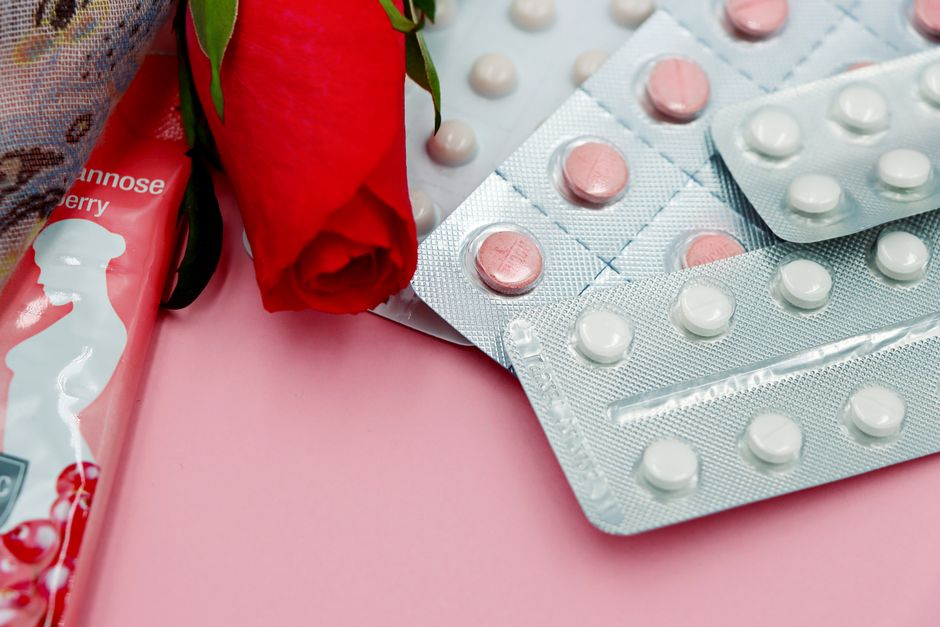
Hormone replacement therapy (HRT) is often discussed in the context of menopause, but many people also wonder if it can help with weight loss. The direct answer is that HRT is not a weight loss drug, but it can influence how and where your body stores fat, particularly around the abdomen. For some people, this makes managing their weight easier, but the effect is indirect and varies significantly from person to person.
How Does Hormone Replacement Therapy Affect Weight?
Menopause brings a drop in estrogen. This change is linked to a shift in fat distribution. Many women notice fat moving from the hips and thighs to the belly area. This is a common and frustrating change that happens even if your weight stays the same.
HRT replaces some of that lost estrogen. Studies have found that women using HRT tend to have less abdominal fat compared to women who do not use it. The reason is that estrogen helps regulate how the body stores fat. When estrogen levels fall, the body tends to store more fat in the midsection. Replacing estrogen can slow or partially reverse that pattern.
It is important to be clear about what this means. HRT does not burn fat. It does not speed up your metabolism in a dramatic way. What it can do is change the environment in which your body manages fat, making it easier to maintain a healthier body composition when combined with diet and exercise.
What the Research Says About HRT and Weight
Research consistently shows that starting HRT does not cause weight gain. In fact, many clinical trials have found that women using HRT gain less weight over time than women who do not use it. This is a common concern, but the evidence does not support the idea that HRT makes you gain weight.
Some studies suggest that women using HRT have a lower risk of developing central obesity, which is the medical term for excess fat around the abdomen. Central obesity is a risk factor for heart disease and type 2 diabetes. So, if HRT helps prevent that pattern, it may offer metabolic benefits beyond just the number on the scale.
However, the research is not uniform. Some women still gain weight during menopause whether they use HRT or not. Aging itself changes metabolism. Muscle mass naturally decreases as we get older, which lowers the number of calories your body burns at rest. HRT does not stop that process.
The evidence points to a simple conclusion: HRT may help prevent the shift toward belly fat, but it is not a reliable tool for weight loss on its own.
Why Body Composition Matters More Than Weight
When people ask about weight loss, they often focus on the number on the scale. With menopause and HRT, body composition is a more useful measure. Body composition refers to the ratio of fat to muscle in your body.
Two people can weigh exactly the same but have very different health profiles. The person with more muscle and less fat, especially less abdominal fat, is generally healthier. This is true even if their total weight is higher than what is considered “normal” on a BMI chart.
HRT can influence body composition. By helping to maintain estrogen levels, it may help preserve lean muscle mass and prevent the accumulation of visceral fat. Visceral fat is the dangerous fat that wraps around your organs. It is more metabolically active than subcutaneous fat, meaning it releases inflammatory substances that can harm your health.
So, even if HRT does not lead to significant weight loss, it may improve your body composition. That improvement is clinically meaningful. It can reduce your risk of metabolic problems even without a change on the scale.




What to Expect If You Start HRT
If you are considering HRT, it helps to have realistic expectations. You may not see a dramatic change in your weight. Some women do lose weight after starting HRT, but this often happens because they feel better and have more energy to exercise. The HRT itself is not causing the weight loss directly.
Other women find that their weight stays the same, but their clothes fit differently. This is a sign that body composition is shifting. Less fat around the belly means a smaller waistline even if the scale does not move.
There is also a small group of women who do gain weight while on HRT. This can happen for several reasons. Fluid retention is one possibility, especially in the first few months. Some forms of HRT, particularly those taken orally, can cause mild fluid retention. This usually settles down over time.
It is also worth noting that the type of HRT matters. Bioidentical hormones are sometimes marketed as better for weight management, but there is no strong evidence to support this claim. Both synthetic and bioidentical hormones have similar effects on fat distribution. The choice between them should be based on your medical history and your doctor’s recommendation, not on weight loss promises.
The Role of Diet and Exercise While on HRT
HRT works best when it is part of a broader strategy. If you start HRT but continue eating the same way and not exercising, you are unlikely to see much change in your weight or body composition.
Resistance training is particularly important during and after menopause. Lifting weights helps build and maintain muscle mass. More muscle means a higher resting metabolic rate. This is the number of calories your body burns just to keep you alive. As you build muscle, you burn more calories throughout the day, even when you are sitting still.
Protein intake also becomes more important as you age. Older adults need more protein to maintain muscle than younger adults do. Eating enough protein at each meal supports muscle maintenance and helps with satiety, which can make it easier to control your overall calorie intake.
Combining HRT with strength training and adequate protein gives you the best chance of maintaining a healthy body composition. The HRT helps create a hormonal environment that supports your efforts, but it does not do the work for you.
Who Should Consider HRT for Weight Management?
HRT is not recommended solely for weight loss. Medical guidelines do not support using HRT as a weight management tool. If weight loss is your only goal, HRT is not the right approach.
However, if you are experiencing menopause symptoms such as hot flashes, night sweats, or sleep disturbances, HRT may be appropriate. These symptoms can interfere with daily life and make it harder to exercise and eat well. Treating them with HRT can indirectly support weight management by helping you feel better and be more active.
Sleep is a key factor here. Many women report poor sleep during menopause, often due to night sweats. Poor sleep is linked to increased hunger hormones and a higher intake of calories. By improving sleep quality, HRT may help regulate appetite and make healthier choices easier.
HRT is not suitable for everyone. Women with a history of breast cancer, certain types of heart disease, or unexplained vaginal bleeding should not use HRT. Your doctor will assess your personal risk factors before recommending it.
Risks and Limitations of HRT
HRT carries real risks, and these need to be weighed against any potential benefits. The most serious risks include an increased chance of blood clots, stroke, and certain types of cancer. These risks depend on the type of HRT, the dose, and how long you use it.
Taking estrogen in pill form increases the risk of blood clots more than using patches or gels. This is because oral estrogen passes through the liver, which affects blood clotting factors. Transdermal forms, which are absorbed through the skin, avoid this first pass through the liver and carry a lower clot risk.
The risk of breast cancer with HRT is a complex topic. Some studies have found an increased risk, particularly with combined estrogen-progestin therapy. The risk appears to decrease after you stop taking HRT. It is important to discuss your personal risk profile with your doctor before making a decision.
These risks are why HRT should not be used casually for weight management. The potential benefits for weight and body composition are modest. The risks, while small for many women, are real. This balance only makes sense if you also need HRT for symptom relief.
Alternatives to HRT for Weight Loss
If HRT is not right for you, or if you simply want to focus on weight loss directly, there are other approaches with stronger evidence behind them.
Dietary changes are the foundation. Reducing processed foods, increasing vegetables and lean protein, and controlling portion sizes are proven strategies. There is no single “best” diet, but consistent calorie control is necessary for weight loss.
Exercise is the second pillar. A combination of aerobic exercise and resistance training is most effective for weight loss and body composition. Aim for at least 150 minutes of moderate activity per week, along with two sessions of strength training.
Some medications are approved for weight loss and work by suppressing appetite or reducing calorie absorption. These are prescription drugs that require medical supervision. They are generally more effective than HRT for weight loss but also come with their own side effects and costs.
For some people, weight loss surgery is an option. This is reserved for those with significant obesity or obesity-related health conditions. It is the most effective treatment for severe obesity but requires a major commitment to lifestyle change.
Frequently Asked Questions
Can hormone replacement therapy cause weight gain?
Research consistently shows that HRT does not cause weight gain. Some women may experience temporary fluid retention, but long-term studies actually show less weight gain in HRT users compared to non-users.
How long does it take to see weight changes with HRT?
There is no standard timeline because HRT is not a weight loss treatment. Changes in fat distribution, if they happen, typically occur over several months, but results vary widely between individuals.
Is HRT safe for weight loss purposes only?
No. Medical guidelines do not recommend HRT for weight loss alone. The risks of HRT, including blood clots and certain cancers, outweigh any modest benefit for weight management in women without menopause symptoms.
Does the type of HRT affect weight loss results?
There is no strong evidence that any specific type of HRT leads to more weight loss than another. Both oral and transdermal forms have similar effects on fat distribution, and the choice should be based on your medical history and risk factors.
