
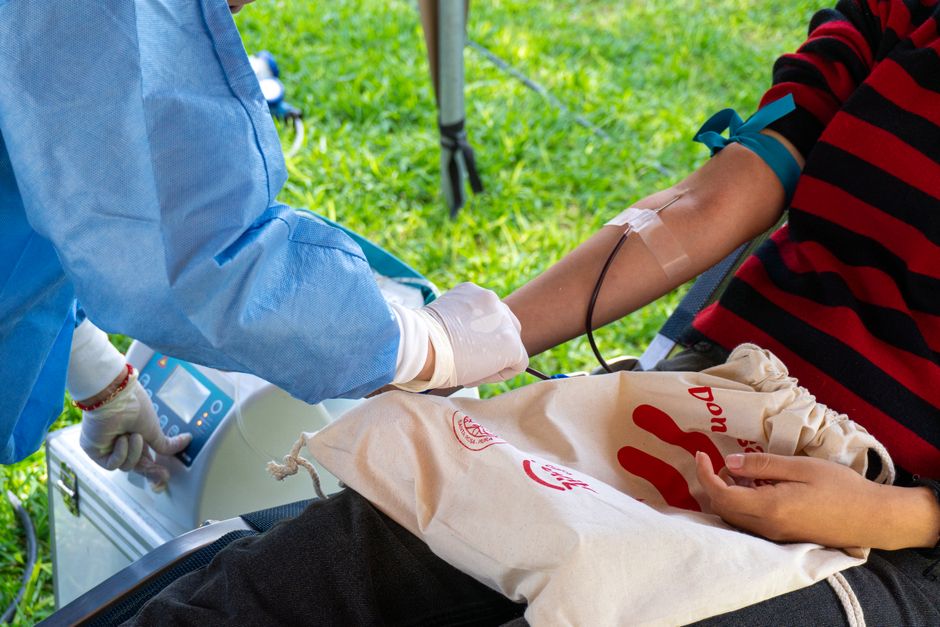
Donating plasma typically pays between $50 and $100 per session. Most new donors earn around $100 per donation in the first month due to promotional bonuses. Regular payments drop to $30 to $65 per donation after promotional periods end, depending on your location, the center, and your weight.
How Much Money To Donate Plasma on Average
First-time donors often see higher pay. Many centers offer $100 per donation for the first 5 to 10 visits. After that, standard rates apply.
The average regular payment is about $40 to $60 per donation. You can donate twice per week in most states. That means a regular donor might earn $320 to $480 per month if they donate consistently.
Your weight affects payment. Heavier donors have more blood volume. They can donate more plasma per session. Many centers pay by volume. A donor weighing 175 pounds might earn $10 to $20 more per session than someone weighing 110 pounds.
What Determines Plasma Donation Pay
Several factors set your payment rate. The most important ones are:
- Location — Urban centers pay more than rural ones. Competition drives rates up in cities with multiple donation centers.
- Weight — Heavier donors produce more plasma. Payment scales with volume donated.
- Promotions — New donor bonuses are real and substantial. They can double your first month earnings.
- Frequency — Some centers offer loyalty bonuses for frequent donors.
- Center brand — CSL Plasma, BioLife, Grifols, and BPL Plasma have different pay structures.
Some centers pay a flat rate per donation. Others use a tiered system based on weight. A few pay extra for referrals or for completing a certain number of donations in a month.
New Donor Bonuses and Promotional Rates
New donor promotions are the main reason first payments are high. A typical offer is $100 per donation for the first 5 visits. That is $500 in your first two and a half weeks if you donate twice weekly.
Some centers run limited-time promotions. You might see $125 or $150 per donation for the first 3 visits during a special event. These are real but temporary.
After the promotional period ends, your rate drops to the standard pay. This is where most donors see $30 to $65 per donation. The drop is significant. Plan your expectations around the regular rate, not the bonus rate.




How Often Can You Donate Plasma
Federal regulations allow plasma donation twice within a 7-day period. You must have at least 48 hours between donations. Most centers follow this schedule strictly.
Donating twice per week is the maximum. Many centers recommend once per week for long-term donors to maintain health and plasma protein levels.
Each session takes 1 to 2 hours. First visits take longer because of screening and paperwork. Expect 2 to 3 hours for your first donation.
Monthly Income From Plasma Donation
A regular donor earning $50 per session and donating twice weekly makes about $400 per month. That assumes 8 donations per month with no missed weeks.
With a first-month promotion of $100 per session, the same donor makes $800 in month one. Month two drops to $400.
Annual income from plasma donation at regular rates is roughly $4,800 to $5,760 if you donate consistently. This is not taxable income in most cases. The IRS generally considers it a gift or reimbursement, not wages.
Some centers offer referral bonuses. If you refer a friend who completes a donation, you might earn $25 to $50. This can add a few hundred dollars per year.
Health Requirements and Screening
You must pass a health screening before your first donation. This includes a physical exam, blood test, and medical history review.
Basic requirements include:
- Age 18 or older (some states allow 16 with parental consent)
- Weight at least 110 pounds
- Good general health
- No recent tattoos or piercings (varies by state, typically 3 to 12 months)
- No certain medications or medical conditions
Your protein and hemoglobin levels must be within normal range. The center tests these before each donation. Low levels mean you cannot donate that day.
You need a valid ID, proof of address, and Social Security number. Some centers accept a passport or state ID. Check with your local center for exact requirements.
Risks and Side Effects
Plasma donation is generally safe. Side effects are usually mild and short-lived.
Common side effects include:
- Dizziness or lightheadedness
- Bruising at the needle site
- Fatigue after donation
- Dehydration
Serious complications are rare. They include nerve injury from needle insertion, infection at the site, or citrate reaction from the anticoagulant used during donation.
Citrate reaction causes tingling in the lips or fingers. It resolves quickly once donation stops. Centers monitor you throughout the process.
Drink plenty of water before and after donation. Eat a protein-rich meal beforehand. Avoid alcohol for 24 hours before and after. These steps reduce side effects significantly.
Is Plasma Donation Worth the Time
At $50 per hour (including travel and waiting time), plasma donation pays reasonably well for unskilled time. But total time per session is higher than the donation itself.
First visit takes 2 to 3 hours. Regular visits take 1 to 2 hours total including check-in, screening, donation, and recovery. Travel time adds more.
If you live 15 minutes from a center, each donation costs about 2 hours of your time. At $50 per session, that is $25 per hour. That is decent for passive time but not life-changing income.
For someone who can donate during downtime — like a student, part-time worker, or remote employee — it can be a useful supplement. For someone trading work hours for donation time, it may not be worth it.
Frequently Asked Questions
How much money do you get for donating plasma the first time?
First-time donors typically earn $100 per donation for the first 5 to 10 visits at most centers. This is due to promotional bonuses that drop after the introductory period ends.
Can you make $1000 a month donating plasma?
Only during promotional periods with high bonuses. At regular rates of $40 to $60 per donation with two donations per week, monthly income is $320 to $480.
How long does it take to donate plasma?
The actual donation takes 45 minutes to 90 minutes. The total visit including check-in and screening takes 1 to 2 hours for regular donors and 2 to 3 hours for first-time donors.
Do you get paid more for donating plasma if you weigh more?
Yes. Heavier donors have more blood volume and can donate more plasma per session. Many centers pay by volume, so a 175-pound donor may earn $10 to $20 more per session than a 110-pound donor.
