
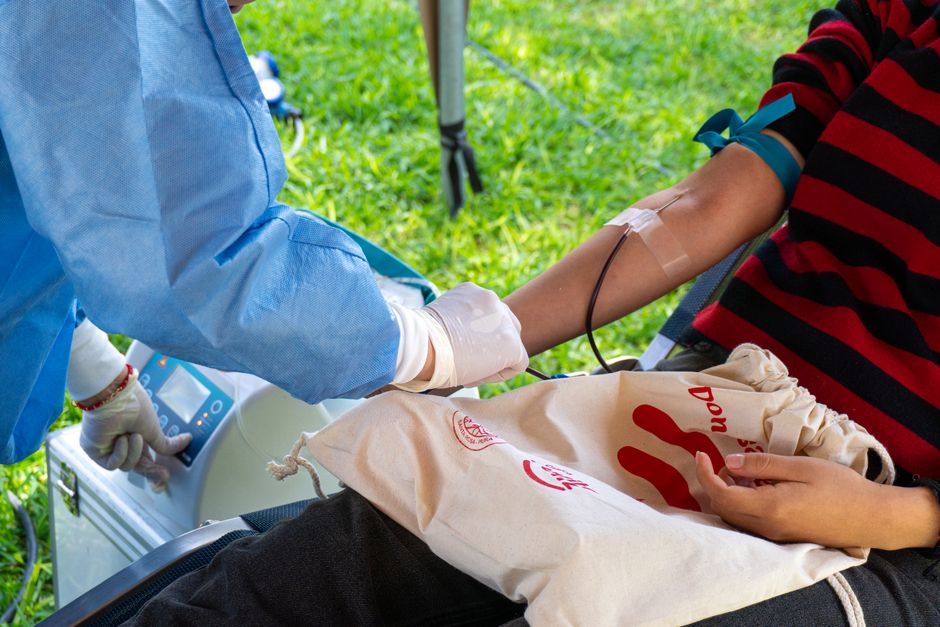
Feeling nauseous after donating plasma is common, and it usually comes down to a drop in blood volume and blood sugar, plus the physical stress of the process itself. Your body has just had a liter or so of fluid pulled out, filtered, and returned without the plasma proteins that normally help hold fluid in your blood vessels. That shift can leave you lightheaded and queasy. For most people it passes within an hour or two with rest, fluids, and food.
It helps to understand what plasma donation actually does to your body. Unlike whole blood donation, plasma donation returns your red blood cells and platelets to you. What it keeps is the liquid portion — the plasma — along with the proteins and other dissolved substances in it. That distinction explains a lot about why you feel the way you do afterward.
Why Do I Feel Nauseous After Donating Plasma?
Nausea after plasma donation is most often a symptom of a temporary drop in blood pressure, not a problem with your stomach. When you lose fluid volume, your blood pressure can fall, especially when you stand up. That triggers a reflex that can make you feel dizzy, sweaty, and sick to your stomach all at once.
Several things stack on top of each other during a donation:
- Fluid loss. Plasma is roughly 90 percent water. Removing it reduces your circulating blood volume until your body pulls fluid back in from surrounding tissues.
- Sodium citrate. The anticoagulant used to keep your blood from clotting in the tubing binds calcium in your bloodstream. Low ionized calcium can cause tingling around the mouth, muscle twitching, and nausea.
- Blood sugar changes. Donating on an empty stomach or after skipping meals makes a blood pressure drop more likely and nausea worse.
- Vasovagal response. The needle, the sight of blood, or the physical stress of the process can trigger a nerve reflex that slows your heart rate and dilates blood vessels, lowering blood pressure.
The citrate reaction deserves a closer look because it is specific to plasma and platelet donation. Whole blood donors get far less citrate exposure. If your nausea comes with tingling lips or fingers, citrate is the likely culprit rather than low blood pressure alone.
Is It Normal to Feel Sick After Donating Plasma?
It is common and usually not dangerous. Donation centers track these reactions closely, and mild lightheadedness and nausea are among the most frequently reported side effects. They are expected enough that staff are trained to watch for them.
What separates a normal reaction from something that needs attention is timing and severity. A wave of nausea that settles within an hour or two after you eat and drink is typical. Symptoms that get worse instead of better, or that include chest pain, difficulty breathing, or fainting, are not typical and need medical evaluation.
First-time donors tend to have more reactions than repeat donors, partly because they do not yet know how their body responds and partly because anxiety plays a role. Being well hydrated and well fed before donating reduces the odds considerably.
How Does Plasma Donation Cause Nausea?
The mechanism comes down to three systems working at once: your blood volume, your calcium level, and your nervous system.
Start with volume. A typical plasma donation removes around 600 to 800 milliliters of plasma, though the exact amount depends on your body weight and the center’s protocol. Your body replaces the fluid within about 24 to 48 hours if you drink enough. Until then, your blood pressure runs lower than usual, and your brain is sensitive to that.
Next, calcium. The citrate anticoagulant binds calcium in your blood. Your body regulates ionized calcium tightly, so a meaningful drop usually only happens with larger or faster citrate exposure. When it does drop, nerve and muscle tissue become more excitable, which produces the tingling and the queasy feeling.
Finally, the vagus nerve. This nerve controls your heart rate and the tone of your blood vessels. When it fires — from pain, anxiety, or a sudden drop in pressure — your heart slows and your vessels widen. Blood pools in your legs. Your brain gets less blood flow. Nausea, sweating, and a feeling of warmth follow.
These three causes can overlap, which is why the exact reason varies from person to person and even from one donation to the next.





What Should You Do If You Feel Nauseous During or After Donation?
Tell the staff immediately if you feel sick while you are still in the chair. They can stop or slow the donation, tilt your chair back, and give you fluids. Do not try to push through it and do not stand up quickly.
Once the donation is over:
- Sit or lie down until the nausea passes. Do not drive until you feel completely normal.
- Drink water or an electrolyte drink steadily over the next few hours.
- Eat something with salt and sugar if you can tolerate it. A salty snack and a sweet drink help restore blood volume and blood sugar.
- Avoid alcohol and heavy exercise for the rest of the day.
- Keep your head level when you stand. Rise slowly.
If nausea comes with tingling in your lips or fingers, mention it to the staff. It points to citrate, and centers can adjust the return rate or take other steps on future donations.
How Can You Prevent Nausea Before Your Next Donation?
Preparation makes a real difference. Most of what causes post-donation nausea is something you can influence before you ever sit down.
Drink water in the hours before your appointment, not just right before. Being well hydrated going in means your blood volume starts higher. Eat a normal meal within a couple of hours of donating, and include some salt. Skip alcohol the day before and the day of.
Avoid donating on an empty stomach, after a night of poor sleep, or when you are already feeling unwell. Tell the staff if you have had reactions before. Centers can slow the return, adjust the citrate, or position you differently.
Do not exercise hard right before or right after. And give yourself time. Rushing out the door immediately after the needle comes out is when a lot of people feel worst.
When Should You Be Concerned?
Most nausea after plasma donation resolves on its own. Some signs mean you should seek medical care rather than wait it out.
- Fainting or loss of consciousness
- Chest pain or shortness of breath
- Nausea that lasts more than a few hours or keeps getting worse
- Severe headache, confusion, or vision changes
- Bleeding or swelling at the needle site that does not stop
- Signs of infection — fever, redness, or warmth at the site — in the days after
Call your doctor or go to urgent care if any of these appear. A single episode of nausea is not a reason to worry, but symptoms that do not fit the usual pattern deserve a closer look.
Does Nausea Mean Something Is Wrong With You?
No. Nausea after plasma donation is a normal response to a temporary change in your body, not a sign of an underlying problem. Your blood volume, calcium, and blood pressure all shift during the process and settle back within a day or two.
That said, repeated severe reactions are worth discussing with your doctor and with the donation center. Some people are more sensitive to citrate or to volume loss than others. That is useful information, not a diagnosis.
If you find that you feel nauseous every single time no matter how well you prepare, talk to a clinician. There may be a reason — low baseline blood pressure, low iron, or something else — that is worth checking.
Frequently Asked Questions
How long does nausea last after donating plasma?
Most episodes pass within an hour or two once you rest, drink fluids, and eat something. If it lasts more than a few hours or gets worse, contact a healthcare provider.
Is it normal to throw up after donating plasma?
Vomiting can happen with a strong vasovagal reaction, but it is less common than mild nausea. Tell the donation staff if it happens, and do not drive yourself home.
Can low calcium from plasma donation cause nausea?
Yes. The citrate anticoagulant binds calcium in your blood, and low ionized calcium can cause nausea along with tingling in the lips or fingers. This is more likely with faster or larger donations.
What should I eat before donating plasma to avoid nausea?
Eat a normal meal with some salt and protein within a couple of hours before donating, and drink water steadily in the hours leading up to your appointment. Avoid alcohol and heavy exercise beforehand.
