
At 12 months old, your baby is ready to transition from infant formula or breast milk to cow’s milk. Most pediatric experts recommend about 16 to 24 ounces (2 to 3 cups) of whole cow’s milk per day. This amount provides essential fats and nutrients without crowding out the solid foods that now make up the majority of your child’s diet. Staying within this range helps ensure balanced nutrition and prevents iron deficiency from excessive milk intake.
Why 16 to 24 Ounces Is the Recommended Range
The 16 to 24 ounce range is not arbitrary. It is based on balancing nutritional needs against potential risks of overconsumption.
Milk is an excellent source of calcium, vitamin D, and protein. These nutrients support growing bones and developing bodies. However, milk is low in iron. If a toddler drinks too much milk, they may feel full and eat fewer iron-rich foods like meats, beans, and fortified cereals. This can lead to iron deficiency anemia.
Research consistently shows that toddlers who drink more than 24 ounces of milk per day are at higher risk for iron deficiency. The American Academy of Pediatrics and other major health organizations recommend limiting milk to this amount for this reason.
Milk also contains calcium, which can interfere with iron absorption when consumed in very high amounts. Staying within the recommended range keeps this risk low.
Whole Milk Versus Low-Fat Milk
At 12 months old, whole milk is the standard recommendation. Children at this age need dietary fat for rapid brain development. The fat in whole milk provides essential fatty acids and supports growth.
Low-fat or skim milk is not recommended before age 2 unless a pediatrician advises it for a specific medical reason. Some children with obesity or a family history of heart disease may be given reduced-fat milk under medical supervision. This is an individualized decision, not a general guideline.
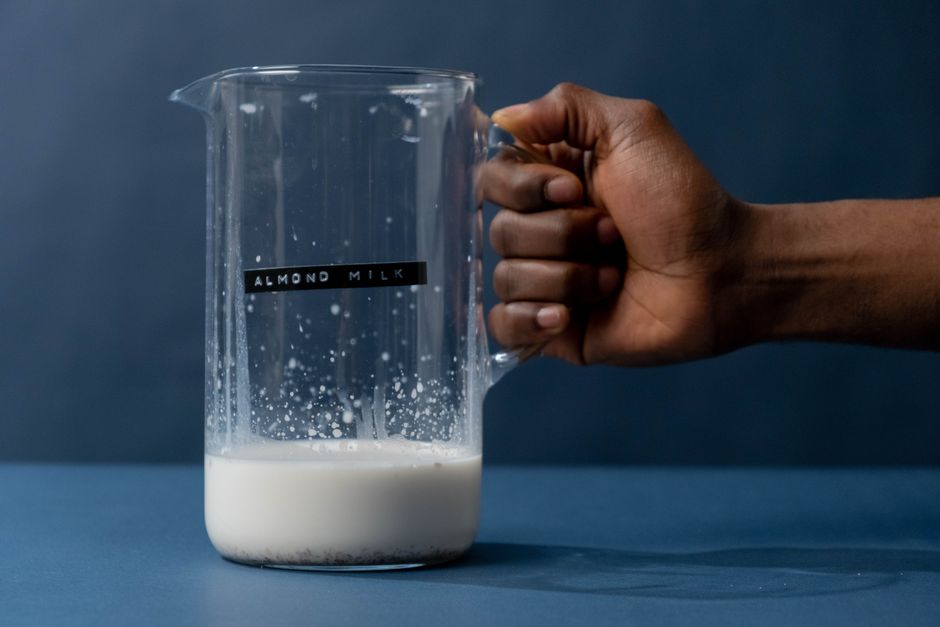
If you are considering an alternative like soy milk or oat milk, talk to your pediatrician first. Many plant-based milks lack the fat and protein content of cow’s milk. Some are also low in vitamin D and calcium unless fortified. Unsweetened, fortified soy milk is the most common alternative recommended for children who cannot drink cow’s milk.
How to Transition from Formula or Breast Milk
The transition from formula or breast milk to cow’s milk usually takes one to two weeks. A gradual approach works best for most families.
Start by replacing one feeding per day with cow’s milk. Keep the rest as formula or breast milk. After a few days, replace another feeding. Continue until all milk feedings are cow’s milk.
Some babies refuse cow’s milk at first because the taste and texture are different. Mixing cow’s milk with formula or breast milk in a 3:1 ratio, then 2:1, then 1:1 can help. Over a week or two, gradually increase the proportion of cow’s milk.
Serve cow’s milk in a cup, not a bottle. The American Academy of Pediatrics recommends weaning from bottles by 12 to 15 months. Prolonged bottle use is linked to tooth decay and overfeeding. A sippy cup or an open cup is a better choice for this age.





Signs Your Toddler Is Drinking Too Much Milk
Some toddlers love milk and will drink it all day if allowed. This can cause problems beyond iron deficiency.
Watch for these signs that milk intake may be too high:
- Constipation — too much milk can slow the digestive system
- Poor appetite for solid foods at mealtimes
- Pale skin or low energy — possible signs of iron deficiency
- Weight gain that is too rapid
- Frequent urination or thirst that seems excessive
If you notice any of these signs, track how much milk your child drinks for a few days. You may be surprised. Many parents estimate lower amounts than the actual total. If your child consistently drinks more than 24 ounces, reduce the amount gradually.
Offer water instead of milk between meals. Water satisfies thirst without adding calories or filling the stomach with nutrients the child already gets from meals.
What Counts as a Serving of Milk
One cup is 8 ounces. The 16 to 24 ounce recommendation equals 2 to 3 cups per day.
This total includes milk used in cooking. If your toddler eats oatmeal made with milk, yogurt, or cheese, those dairy foods count toward the total. A cup of yogurt, for example, contains roughly the same calcium as a cup of milk.
You do not need to be exact with every meal. The goal is a rough daily range. Some days your child may drink 14 ounces, other days 26 ounces. This is normal. What matters is the pattern over weeks, not individual days.
If your child eats substantial amounts of other dairy foods, you can aim for the lower end of the milk range. If dairy intake from food is low, aim for the higher end.
What If Your Toddler Refuses Milk
Some toddlers refuse cow’s milk entirely. This is common and usually not a problem if the child eats a balanced diet.
Milk is not the only source of calcium and vitamin D. Other sources include:
- Yogurt and cheese
- Fortified cereals
- Fortified orange juice
- Tofu made with calcium sulfate
- Leafy green vegetables like kale and broccoli
- Salmon with bones
If your child refuses milk, do not force it. Continue offering it occasionally with meals. Some children accept milk better when it is slightly warmed or served in a special cup.
If your child refuses all dairy products, talk to your pediatrician about whether a calcium or vitamin D supplement is needed. Do not start supplements without medical guidance, as excess calcium can cause its own problems.
Milk and Mealtimes: Finding the Right Balance
When milk is served matters as much as how much is served. Serving milk with meals rather than between meals helps maintain appetite for solid foods.
Milk at mealtime also helps with iron absorption. The vitamin C in many solid foods helps the body absorb iron. When milk is consumed with a meal that includes vitamin C-rich foods, the negative effect of milk on iron absorption is reduced.
A typical daily pattern might look like this:
- Breakfast: 4 ounces of milk with eggs and toast
- Lunch: 4 ounces of milk with a turkey sandwich and fruit
- Snack: water or a small cup of yogurt
- Dinner: 6 ounces of milk with chicken, rice, and vegetables
This totals 14 ounces of milk plus additional dairy from yogurt. The child gets the nutritional benefits without filling up on milk alone.
Water should be offered freely throughout the day. Toddlers need extra fluids, especially in warm weather or when active. Milk does not replace water for hydration.
Frequently Asked Questions
Can a 12 month old drink too much milk?
Yes. More than 24 ounces per day increases the risk of iron deficiency and can reduce appetite for solid foods. Staying within 16 to 24 ounces keeps nutrition balanced.
What kind of milk should a 12 month old drink?
Whole cow’s milk is the standard recommendation for 12 month olds because it provides fat needed for brain development. Low-fat or skim milk is not recommended before age 2 unless a pediatrician advises otherwise.
How do I switch my baby from formula to cow’s milk?
Replace one formula feeding per day with cow’s milk and gradually increase over one to two weeks. Mixing cow’s milk with formula in increasing proportions can help babies adjust to the taste.
What if my 12 month old refuses to drink cow’s milk?
This is common and usually not a problem if your child eats a balanced diet. Offer yogurt, cheese, fortified cereals, and leafy greens for calcium, and talk to your pediatrician if you are concerned.
