
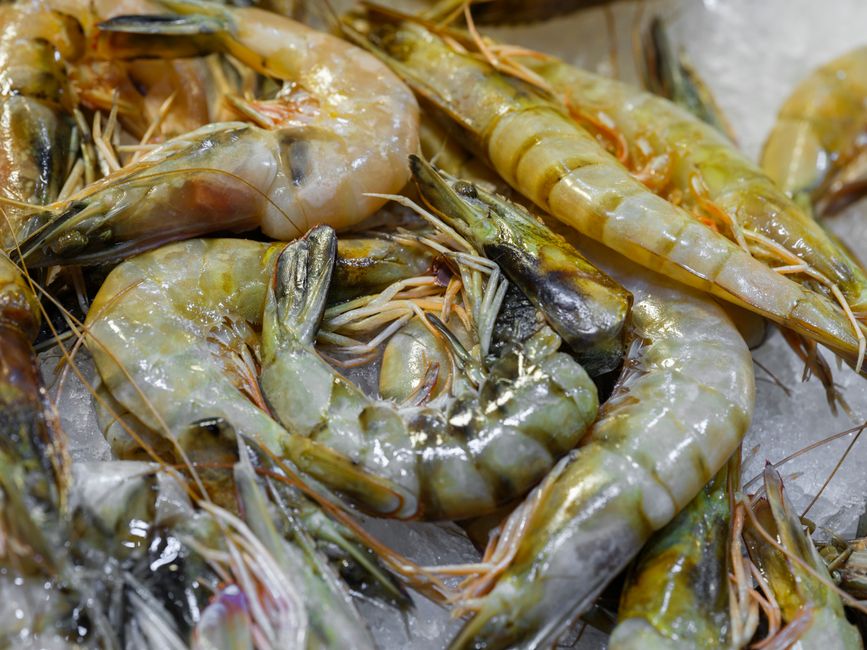
Shrimp is one of the leanest animal proteins you can put on a plate. A 3-ounce cooked serving of most shrimp species contains roughly 1 to 2 grams of total fat, depending on how it is prepared. That is less fat than the same weight of chicken breast, lean beef, or most fish. The bigger variable is not the shrimp itself — it is the butter, oil, or breading added during cooking.
How Much Fat Is In Shrimp Nutrition Facts?
Plain cooked shrimp is almost entirely protein and water, with very little fat. For a 3-ounce (85-gram) serving of cooked shrimp, the fat content typically falls between 1 and 2 grams. The exact number shifts slightly by species and by whether the shrimp is wild-caught or farmed, but the range stays narrow.
Here is a comparison of a 3-ounce cooked serving of common proteins:
| Protein (3 oz cooked) | Total Fat | Protein |
|---|---|---|
| Shrimp | 1–2 g | ~20 g |
| Chicken breast (skinless) | ~3 g | ~26 g |
| Sirloin steak (lean) | ~9 g | ~25 g |
| Salmon | ~10–13 g | ~22 g |
The fat in shrimp is mostly unsaturated. Saturated fat makes up only a small fraction of the total. Shrimp also contains cholesterol, which is a separate nutrient from fat and is discussed further below.
One clarification worth making: fat and cholesterol are not the same thing. Shrimp is low in fat but relatively high in dietary cholesterol compared to many other proteins. People often blend the two together, but they affect the body differently and appear on nutrition labels as separate lines.
Does Cooking Method Change the Fat in Shrimp?
Cooking method changes the fat content far more than the shrimp itself does. A 3-ounce serving of plain boiled or steamed shrimp stays near 1 to 2 grams of fat. The same shrimp sautéed in two tablespoons of butter or olive oil can jump by 20 grams or more, because the added fat is what you are now eating.
Fried shrimp and coconut shrimp are the highest-fat preparations. Breading absorbs oil during frying, and sweet sauces add both fat and sugar. A single order of fried shrimp at a restaurant can contain more fat than a full day’s worth of plain shrimp.
- Steamed or boiled: about 1–2 g fat per 3 oz
- Grilled or broiled with a light brush of oil: roughly 3–6 g fat
- Sautéed in butter or oil: 15–25 g fat or more, depending on how much fat is used
- Breaded and fried: often 15–30 g fat per serving, plus added carbohydrates
If your goal is to keep fat low, the shrimp is rarely the problem. The pan is.
Is Shrimp Fat Healthy Fat?
The fat naturally present in shrimp is mostly unsaturated, which is the type associated with favorable effects on blood cholesterol when it replaces saturated fat in the diet. Shrimp also provides a small amount of omega-3 fatty acids, though far less than fatty fish like salmon, mackerel, or sardines.
Shrimp is not a meaningful omega-3 source the way oily fish is. If omega-3 intake is your goal, shrimp alone will not get you there. It contributes some, but the amount is modest.
What shrimp does offer is a high-protein, low-fat, low-calorie package. For people watching total fat or calories, it fits easily into most eating patterns. The fat it contains is not a concern for most healthy adults.





What About Cholesterol in Shrimp?
Shrimp is higher in dietary cholesterol than most other proteins. A 3-ounce serving contains roughly 150 to 200 milligrams of cholesterol. For context, longstanding dietary guidance has suggested keeping daily cholesterol intake under 300 milligrams for most adults, though that guidance has evolved.
Here is where the science gets interesting. For most people, dietary cholesterol has a smaller effect on blood cholesterol than saturated fat and trans fat do. Research going back decades has found that for the majority of people, eating shrimp does not raise LDL cholesterol the way a comparable amount of saturated fat would. Some studies have even found that shrimp raises both LDL and HDL cholesterol, leaving the ratio largely unchanged.
That said, response varies between individuals. Some people are more sensitive to dietary cholesterol than others. People with certain conditions, such as familial hypercholesterolemia or existing heart disease, may respond differently and should follow guidance from their own clinician rather than general population advice.
Current thinking from major health organizations has moved away from strict numerical cholesterol limits for the general population and toward limiting saturated and trans fats. If you have specific cholesterol concerns, that is a conversation to have with your doctor, not something to sort out from a nutrition label alone.
How Does Shrimp Compare to Other Lean Proteins?
Shrimp sits at the low end of the fat spectrum among animal proteins. Skinless chicken breast, turkey breast, and white fish like cod or tilapia are also very lean, generally falling in a similar range. Shrimp is comparable to these, sometimes slightly lower in fat and calories per gram of protein.
Where shrimp differs is cholesterol content. Cod and tilapia are low in both fat and cholesterol. Shrimp is low in fat but higher in cholesterol. For most people this difference is not clinically significant, but it is worth knowing if cholesterol is a specific concern.
Compared to plant proteins like beans, lentils, or tofu, shrimp has more protein per serving and essentially no fiber or carbohydrates. Plant proteins bring fiber and other nutrients that shrimp does not.
Does Wild-Caught vs. Farmed Shrimp Affect Fat Content?
The difference in fat content between wild-caught and farmed shrimp is small. Both are lean. Farmed shrimp may have slightly different fatty acid profiles depending on feed, but the total fat remains low in either case.
The bigger differences between wild and farmed shrimp relate to cost, availability, environmental practices, and in some cases the use of additives or antibiotics in farming. Those are separate from nutrition. From a fat standpoint, you can treat them as roughly equivalent.
Some imported farmed shrimp are treated with additives to retain water or improve texture. These can affect sodium content more than fat. If sodium is a concern, check the label for added sodium or preservatives.
Key Facts About Shrimp Nutrition
Shrimp delivers a lot of protein for very few calories. A 3-ounce cooked serving provides roughly 20 grams of protein and around 85 to 100 calories, with 1 to 2 grams of fat. It contains almost no carbohydrates.
Shrimp also provides several micronutrients. It is a good source of selenium, vitamin B12, and iodine. It contains some phosphorus, choline, and astaxanthin, a carotenoid that gives cooked shrimp its pink color. These nutrients come along with the protein at no fat cost.
The main nutrition cautions with shrimp are not about fat. They are about sodium in processed or seasoned shrimp products, cholesterol for people who are sensitive to it, and allergens. Shellfish is one of the most common food allergens, and reactions can be severe. Anyone with a known shellfish allergy should avoid shrimp entirely.
For most people, shrimp is a smart protein choice. It is low in fat, high in protein, and easy to prepare in ways that keep the total fat low. The fat question has a simple answer: the shrimp itself contributes very little. What you cook it in decides the rest.
Frequently Asked Questions
How much fat is in 3 ounces of shrimp?
A 3-ounce cooked serving of plain shrimp contains about 1 to 2 grams of total fat. The amount rises sharply if the shrimp is cooked in butter, oil, or breading.
Is shrimp high in fat or cholesterol?
Shrimp is low in fat but relatively high in dietary cholesterol, with roughly 150 to 200 milligrams per 3-ounce serving. For most people, dietary cholesterol has less effect on blood cholesterol than saturated fat does.
Is shrimp healthier than chicken?
Shrimp is slightly lower in fat than skinless chicken breast and similar in protein. Chicken is lower in cholesterol, so the better choice depends on your individual health priorities.
Can I eat shrimp on a low-fat diet?
Yes, plain steamed, boiled, or grilled shrimp fits easily into a low-fat diet at 1 to 2 grams of fat per serving. Avoid fried or butter-sautéed preparations, which add most of the fat.
