
A 50-unit vial of Botox typically costs between $375 and $600 in the United States, though pricing varies widely by provider, location, and whether the vial is purchased wholesale or as part of a treatment. The vial itself is a prescription product sold to clinics, not directly to consumers. What patients actually pay is usually calculated per unit, and most clinics charge $10 to $18 per unit of Botox.
How Much Does A 50 Unit Vial Of Botox Cost?
The wholesale price of a 50-unit vial of Botox sits in the range of roughly $375 to $600, depending on the distributor and any applicable discounts. This is the cost a clinic pays before marking it up for patient treatments.
Patients rarely buy a vial outright. Instead, they pay per unit. At a typical rate of $10 to $18 per unit, a full 50-unit vial works out to $500 to $900 in treatment cost. That range reflects the provider’s markup, which covers storage, handling, injection supplies, staff time, and overhead.
Some clinics quote a flat fee per area rather than per unit. For example, treating the glabellar lines (the frown lines between the eyebrows) might be quoted as a single price. This can make comparison shopping harder, because you do not know how many units are actually being used.
Geography matters. Clinics in large metro areas like New York, Los Angeles, or San Francisco tend to charge more per unit than clinics in smaller cities or rural areas. A provider in a high-cost market might charge $16 to $18 per unit, while one in a lower-cost area might charge $10 to $12.
Why Does Botox Pricing Vary So Much?
Botox is a brand-name prescription drug, and its manufacturer sets a list price for vials sold to healthcare providers. That list price is not what patients see. What patients see is the provider’s retail rate, which includes several layers of cost.
First, there is the cost of the product itself. Second, there is the cost of storage and handling. Botox must be refrigerated and has a limited shelf life once reconstituted. Clinics that do not use a vial quickly may waste product, and that waste gets factored into pricing.
Third, there is the provider’s time and expertise. Injecting Botox requires training and precision. The skill of the injector matters more than most people realize. A poorly placed injection can cause eyelid drooping or an uneven result, which may require additional visits to correct.
Finally, there is the business model. Some clinics operate on high volume and lower margins. Others position themselves as premium providers and charge accordingly. Neither approach is inherently better, but the price difference can be significant.
What Does A 50-Unit Vial Actually Treat?
A 50-unit vial is a common size for cosmetic treatments, but it does not go as far as many people assume. The number of units needed depends on the treatment area and the individual’s muscle strength.
For glabellar lines, the standard dose is typically 20 units. For crow’s feet, it is usually 12 units per side, or 24 units total. For forehead lines, it is often 10 to 20 units. Treating all three areas — sometimes called the “upper face” — can easily use 50 to 64 units.
This means a single 50-unit vial may cover two or three areas in one session, or it may cover one area with units left over. Some clinics will use leftover units in the same session to treat a secondary area, but they cannot save the vial for a future visit once it has been reconstituted.
Botox is also used for medical purposes, including chronic migraine, severe underarm sweating, and certain muscle spasticity conditions. Dosing for these conditions is different and often much higher. Chronic migraine treatment, for example, uses 155 units across 31 injection sites. A 50-unit vial would not be sufficient for that purpose.





Is A 50-Unit Vial Cheaper Than Buying Per Unit?
Not necessarily. The per-unit price is what matters for most patients. A clinic that charges $12 per unit and uses 20 units will charge $240 for that treatment, regardless of vial size. The vial size is a clinic’s purchasing decision, not a patient’s cost-saving option.
Some clinics offer package pricing or loyalty discounts. Others charge a flat fee per area. These can sometimes be cheaper than per-unit pricing, but they can also be more expensive if the provider uses fewer units than the flat fee implies.
The key question to ask is: how many units will you use, and what is your per-unit rate? If a clinic cannot or will not answer that, it is a reasonable sign to look elsewhere.
Are There Cheaper Alternatives To Botox?
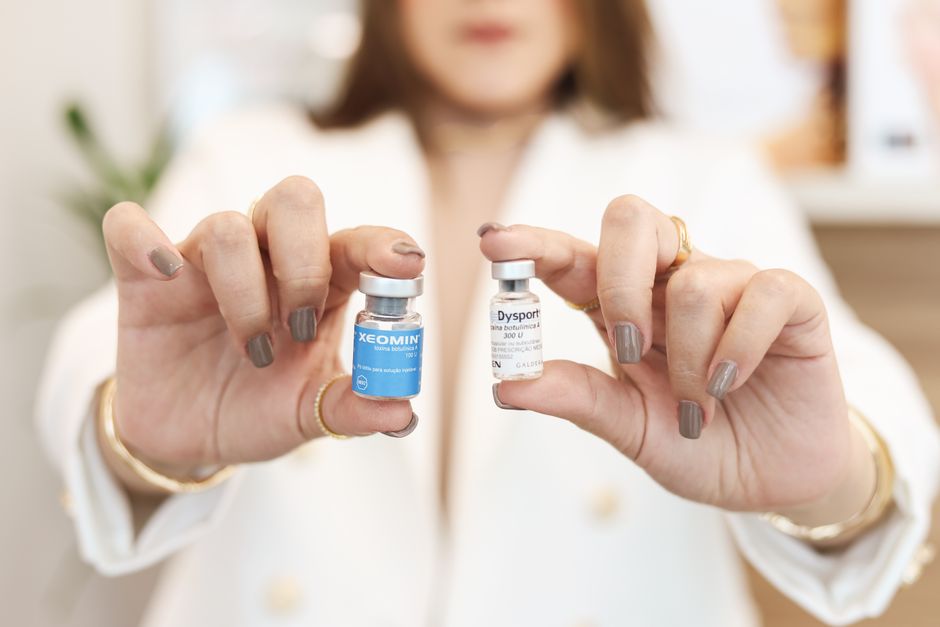
Yes. Several other botulinum toxin products are available in the United States, including Dysport and Xeomin. These are not identical to Botox. They have different formulations, different unit potencies, and different dosing. A unit of Dysport is not equivalent to a unit of Botox.
Because of these differences, comparing prices per unit across products is misleading. A clinic might charge less per unit for Dysport, but need to use more units to achieve the same effect. The only meaningful comparison is the total cost for a given treatment area and result.
There are also non-toxin alternatives for wrinkle reduction, such as topical retinoids, laser resurfacing, and chemical peels. These work through different mechanisms and have different evidence profiles. None of them replicate the muscle-relaxing effect of botulinum toxin.
What Should You Know Before Paying For Botox?
Botox is a prescription medication. It should be administered by a licensed healthcare provider. In many states, that means a physician, nurse practitioner, or physician assistant. Some states allow registered nurses to inject under supervision.
Counterfeit and unapproved botulinum toxin products have been found in the U.S. market. The FDA has warned about this. If a price seems unusually low — say, $5 per unit — that is a red flag. Legitimate product costs more than that.
Ask where the product comes from. A reputable clinic will be able to tell you. They should also be willing to show you the vial and discuss how many units they plan to use.
Botox is not a permanent treatment. Results typically last three to four months. Some people metabolize it faster than others. Over time, repeated treatments may lead to antibody formation in a small percentage of people, which can make the product less effective.
Finally, Botox is not risk-free. Common side effects include bruising, headache, and temporary eyelid drooping. Rare but serious side effects include difficulty swallowing, breathing problems, and muscle weakness. These are more likely with higher doses or underlying medical conditions. Anyone with a neuromuscular disorder should discuss risks with their doctor before treatment.
Frequently Asked Questions
How much does a 50 unit vial of Botox cost?
A 50-unit vial costs clinics roughly $375 to $600 wholesale. Patients typically pay $500 to $900 for treatment using a full vial, based on per-unit rates of $10 to $18.
Can I buy a 50 unit vial of Botox directly?
No. Botox is a prescription product sold only to licensed healthcare providers. You cannot legally purchase it as a consumer.
Is Botox priced per unit or per vial?
Most clinics charge per unit, not per vial. The vial is a purchasing unit for the clinic, while patients pay based on how many units are used in their treatment.
Why is Botox cheaper at some clinics?
Lower prices often reflect lower overhead, high patient volume, or geographic location. Extremely low prices may indicate counterfeit or unapproved product, which the FDA has warned about.
