
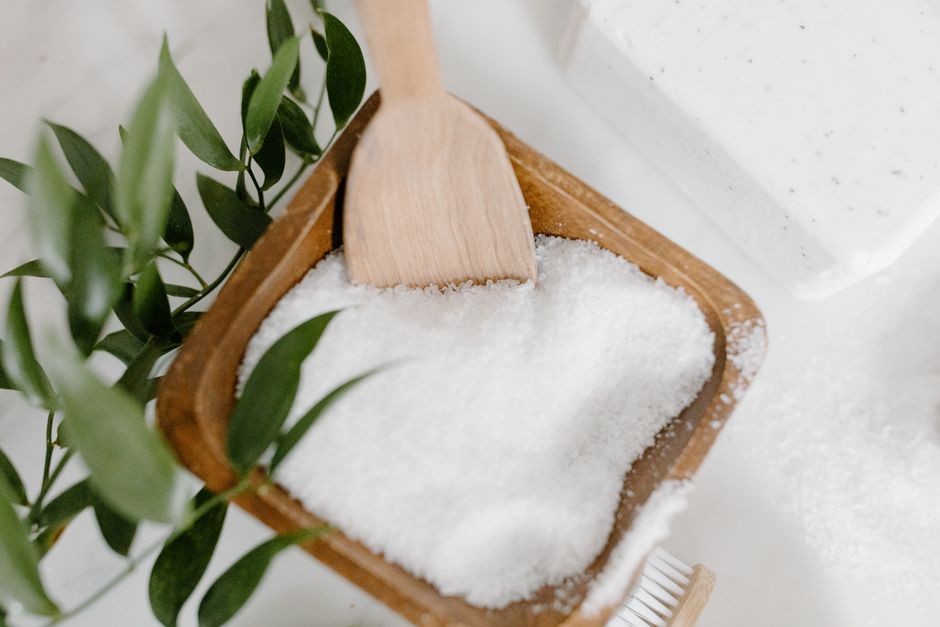
To soothe sore feet, the standard recommendation is ½ cup of Epsom salt per gallon of water. For a typical foot bath that holds 2 to 3 gallons, that means 1 to 2 cups total. Start with the lower amount and add more if needed. The water should be warm—not hot—and you should soak for 15 to 20 minutes. This guide explains the right amount for your foot bath, how to prepare it safely, and what the evidence actually shows about benefits and risks.
How Much Epsom Salt For Foot Bath?
Use ½ cup of Epsom salt for every gallon of water. Most home foot baths hold about 2 to 3 gallons of water. That means you need 1 to 1½ cups of Epsom salt for a single foot bath. If your basin is smaller or larger, adjust using the ½‑cup‑per‑gallon ratio.
Some sources recommend up to 1 cup per gallon. This is safe for most people but offers no proven extra benefit. Stick with ½ cup per gallon unless you have clear muscle pain that you want to target. Even then, there is no clinical evidence that a higher concentration works better.
Do not use more than 2 cups in a standard foot bath (roughly 4 gallons equivalent). Excess salt can dry out skin and irritate cuts or cracks. More is not better.
How To Prepare An Epsom Salt Foot Bath
- Fill a clean basin or foot spa with warm tap water. Use a thermometer if needed—ideal temperature is between 92°F and 100°F (33–38°C). Do not use water hot enough to burn.
- Add ½ cup of Epsom salt per gallon of water. Stir until the salt dissolves completely.
- Soak both feet for 15 to 20 minutes. Longer soaking can dry out the skin.
- Rinse feet with plain water afterward and pat dry. Apply moisturizer to prevent dryness.
You can do this 2–3 times per week. If you have diabetes, peripheral artery disease, or any condition that reduces sensation in your feet, check with a doctor first.
What Does Epsom Salt Do For Your Feet?
Epsom salt is magnesium sulfate. When dissolved in warm water, it is believed to be absorbed through the skin. Some research suggests that a very small amount of magnesium may enter the body this way, but the evidence is mixed. A 2017 study in the journal PLOS ONE found that soaking in a magnesium sulfate bath increased blood magnesium levels, but other studies have not confirmed this.
The most reliable benefit comes from the warm water itself. Warm water relaxes muscles, increases blood flow, and can reduce swelling. The salt may also help soften calluses and rough skin. These effects are real, whether or not magnesium enters your bloodstream.
Magnesium is essential for many bodily functions, including nerve and muscle function. But relying on foot baths alone to treat a magnesium deficiency is not supported by evidence. If you suspect a deficiency, see a doctor for a blood test and discuss oral supplements.





Are There Any Risks Or Side Effects?
For most healthy adults, Epsom salt foot baths are safe. Risks are low when used as directed.
- Over‑soaking (more than 20–30 minutes) can strip natural oils and cause dry, cracked skin.
- Water that is too hot can cause burns, especially if you have reduced sensation in your feet.
- People with severe kidney disease should avoid Epsom salt baths because the body may not be able to excrete the extra magnesium, though this is primarily a concern with oral ingestion. To be safe, check with your doctor before soaking if you have kidney problems.
- Open wounds, infections, or severe skin conditions may be irritated by Epsom salt. Avoid soaking if you have blisters, ulcers, or broken skin.
- If you feel dizzy, nauseous, or lightheaded during the soak, stop immediately and rinse your feet.
No large clinical trials have evaluated the safety of Epsom salt baths in pregnant women. Limited evidence suggests it is likely safe in moderation, but there are no official guidelines. Pregnant women should consult a healthcare provider before starting regular foot baths with Epsom salt.
Who Should Avoid Epsom Salt Foot Baths?
The following groups should speak with a doctor before using an Epsom salt foot bath:
- People with diabetes – especially those with neuropathy (loss of feeling in the feet). They may not notice if the water is too hot, leading to burns.
- People with peripheral artery disease or other circulation problems – reduced blood flow can impair healing and increase infection risk.
- People with kidney disease – as noted, impaired ability to clear magnesium raises the risk of toxicity, although transdermal absorption is thought to be minimal.
- People with open wounds, severe eczema, or psoriasis – salt can sting and worsen irritation.
- Anyone who has had an allergic reaction to magnesium sulfate in the past (rare).
If you are unsure about your health status, it is always better to ask first. A foot soak is meant to be soothing, not risky.
Epsom Salt Foot Bath Vs. Other Soaks
There is no evidence that Epsom salt is superior to other types of foot soaks. Plain warm water alone provides most of the same benefits: warmth relaxes muscles, improves circulation, and softens skin. Adding Epsom salt may provide additional magnesium absorption (still debated) and has a distinct feel and scent that many people find relaxing.
Other common foot soak additives include:
- Baking soda – may help soften skin and neutralize odor.
- Vinegar – can help with athlete’s foot because of its mild antifungal properties.
- Essential oils – provide fragrance but have no proven therapeutic effect when added to foot baths.
If you simply want to relax tired feet, warm water works fine. If you prefer the ritual of an Epsom salt soak, there is no harm in using it as long as you follow the recommended amount and soak time.
Frequently Asked Questions
How much Epsom salt should I put in my foot bath?
Use ½ cup of Epsom salt per gallon of water. For a typical 2-gallon foot bath, that is 1 cup. For a 3-gallon bath, use 1½ cups.
Can I use too much Epsom salt in a foot bath?
Yes. More than 1 cup per gallon can dry out your skin and may irritate broken skin. Stick to the ½ cup per gallon ratio.
How often can I soak my feet in Epsom salt?
Two to three times per week is safe for most adults. Soaking more often may lead to dry, cracked skin.
Is it safe to soak my feet in Epsom salt if I have diabetes?
Check with your doctor first. Diabetes can cause nerve damage that makes it hard to feel if the water is too hot. Your doctor can give you specific guidance based on your health.
