
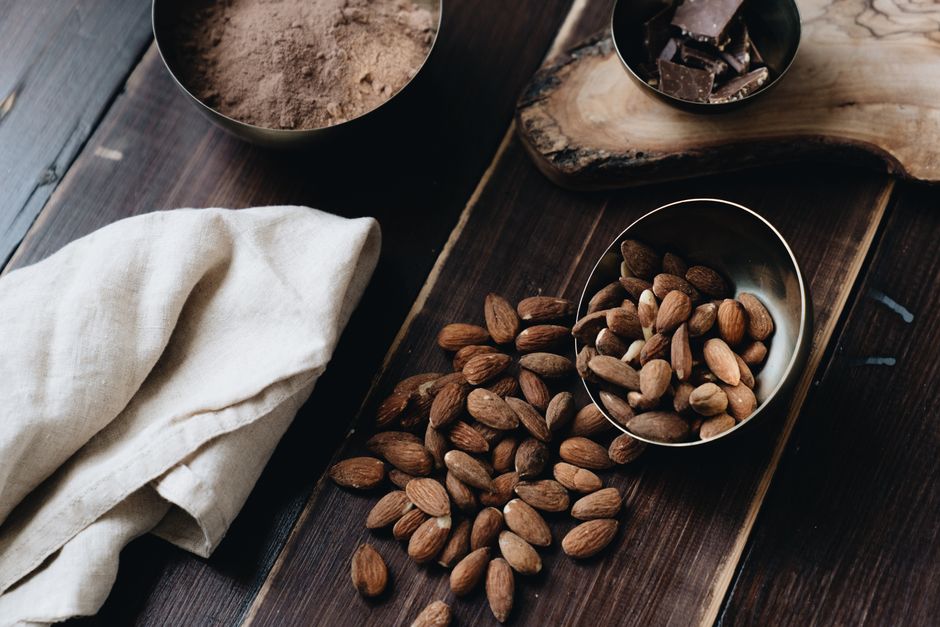
Dark chocolate contains real amounts of flavanols, the plant compounds behind most of its health reputation. But the amount that actually helps your heart and blood vessels is far smaller than most people assume, and the amount most people eat is far larger. A reasonable target for most healthy adults is about 1 ounce (roughly 28 grams) of dark chocolate a day, and only if it is at least 70 percent cacao. That single ounce carries roughly 150 to 170 calories and about 12 grams of fat, so it fits best as a swap for another treat, not as an add-on.
How Much Dark Chocolate Is Healthy to Eat Each Day?
About 1 ounce of 70 percent or higher dark chocolate per day is the figure most often cited in nutrition guidance. Some sources suggest a range of 1 to 2 ounces, but the higher end starts to push calories and saturated fat into territory that works against the benefit.
Here is the part that trips people up. The flavanol doses used in clinical trials are often much higher than what you get from a square of chocolate. Researchers frequently use concentrated cocoa extracts or specially processed cocoa powders to deliver several hundred milligrams of flavanols per day. Getting that from a chocolate bar would mean eating a lot of sugar and fat along with it.
So the practical answer splits in two:
- For general enjoyment within a healthy diet: about 1 ounce of dark chocolate daily is a reasonable ceiling for most adults.
- For the flavanol effects studied in research: you would likely need cocoa supplements or high-flavanol cocoa powder, not a standard chocolate bar.
That distinction matters. A lot of chocolate marketing leans on flavanol research while selling a product that delivers a fraction of the dose used in those studies.
What Counts as Dark Chocolate?
Cacao percentage is the number on the label that tells you how much of the bar comes from cocoa solids and cocoa butter. The rest is mostly sugar, plus small amounts of vanilla, lecithin, and milk or milk fat in some products.
Common ranges:
- Milk chocolate: typically 10 to 30 percent cacao
- Dark chocolate: usually 50 to 69 percent cacao
- Extra dark or bittersweet: 70 percent cacao and above
The higher the percentage, the more flavanols and the less sugar. But higher percentage also means more bitterness, and some manufacturers add extra cocoa butter or sugar to balance it. A 70 percent bar from one brand can have a noticeably different sugar content than a 70 percent bar from another.
One clarification worth knowing: “dark chocolate” is not a regulated term in the United States the way some people assume. The FDA sets standards for cacao products, but the line between dark and semisweet is looser than most shoppers realize. Reading the ingredient list and the cacao percentage is more reliable than trusting the word “dark” on the front of the package.
What Does the Evidence Actually Show?
Cocoa flavanols have measurable effects on blood vessel function. That part is well established. Short-term studies consistently show that cocoa flavanols improve something called flow-mediated dilation, which is a measure of how well arteries widen when they should.
Beyond that, the picture gets more complicated.
Some studies suggest modest reductions in blood pressure. Others show small improvements in LDL cholesterol or markers of inflammation. But results vary, and the effects tend to be small. They are not in the same category as what a blood pressure medication does.
Long-term outcome data is thinner. We do not have large, long-running trials proving that eating dark chocolate prevents heart attacks or strokes. Some observational research has linked chocolate intake with lower cardiovascular risk, but observational studies cannot separate chocolate from everything else in a person’s life. People who eat dark chocolate may also exercise more, smoke less, or eat more vegetables.
The honest summary: cocoa flavanols do something real to blood vessels in the short term. Whether that translates into fewer heart attacks over decades is not settled.





How Much Sugar and Fat Are You Getting?
This is where portion size stops being abstract. A typical 1-ounce serving of 70 percent dark chocolate contains roughly:
- About 150 to 170 calories
- About 12 grams of fat, several grams of it saturated
- About 9 to 12 grams of sugar, depending on the brand
- Small amounts of fiber, iron, magnesium, copper, and manganese
Those minerals are real but modest. Dark chocolate is not a meaningful source of them compared to actual food sources like beans, nuts, and leafy greens.
The saturated fat point deserves attention. Dark chocolate contains stearic acid, a saturated fat that appears to have a more neutral effect on LDL cholesterol than some other saturated fats. That is a genuine nuance. But it does not make dark chocolate a free food. The calories still add up, and the sugar still counts.
If you eat three or four ounces instead of one, you have roughly doubled or tripled those numbers. That is the difference between a small daily treat and a meaningful chunk of your day’s calories.
Does Higher Cacao Percentage Mean Healthier?
Higher cacao generally means more flavanols and less sugar, so yes, up to a point. But percentage alone does not tell the whole story.
Processing matters a lot. A process called Dutching, or alkalization, is used to mellow the bitter flavor of cocoa. It also destroys a large share of the flavanols. A Dutch-processed 85 percent bar may have fewer flavanols than a non-alkalized 70 percent bar.
Most chocolate labels do not tell you whether the cocoa was alkalized. If flavanol content is your goal, that is a real limitation. Some manufacturers now print flavanol content on the label, but it is not standard.
Storage and age also reduce flavanols over time. Fresh chocolate holds more than chocolate that has sat in a pantry for a year.
| Type | Cacao | Flavanols | Sugar |
|---|---|---|---|
| Milk chocolate | 10-30% | Low | High |
| Dark chocolate | 50-69% | Moderate | Moderate |
| Extra dark | 70%+ | Higher | Lower |
| Dutch-processed cocoa | Varies | Reduced | Varies |
Who Should Be Careful With Dark Chocolate?
Dark chocolate is not appropriate for everyone, and the reasons are not about willpower.
Caffeine sensitivity. Dark chocolate contains caffeine and a related compound called theobromine. A 1-ounce serving of dark chocolate has a modest amount of caffeine, but people who are sensitive to it may notice sleep disruption if they eat chocolate in the evening.
Kidney stones. Chocolate is high in oxalate, which can contribute to calcium oxalate stones in people who form them. Anyone with a history of kidney stones should talk to their doctor about whether chocolate fits their diet.
Reflux. Chocolate can relax the lower esophageal sphincter, the muscle that keeps stomach acid where it belongs. People with GERD often find chocolate triggers symptoms.
Migraine. Chocolate is a commonly reported migraine trigger, though the evidence for this is mixed and some research suggests cravings before a migraine may be the actual cause rather than the chocolate itself.
Heavy metal content. Testing by consumer organizations has found cadmium and lead in some dark chocolate products, with higher levels more common in certain brands and in chocolate from specific regions. This is an area of ongoing regulatory attention. The levels found have generally been below thresholds considered acutely dangerous, but regular daily intake from a high-contamination product is worth being aware of, particularly for pregnant women and young children.
If you take a monoamine oxidase inhibitor, note that aged and fermented foods including chocolate can interact with these medications. Follow your prescriber’s guidance.
How to Fit Dark Chocolate Into a Healthy Diet
Treat it as a swap, not an addition. If you replace a cookie or a handful of candy with an ounce of dark chocolate, you are not adding calories to your day. If you add it on top of everything else, you are.
A few practical points:
- Choose 70 percent cacao or higher if flavanols are your goal.
- Check the ingredient list. Cocoa solids or chocolate liquor should be first, not sugar.
- Portion it out rather than eating from the bar. One ounce is smaller than most people picture.
- Eat it earlier in the day if caffeine affects your sleep.
- Do not rely on chocolate for nutrients you can get more reliably elsewhere.
If you have a health condition, take medications, or are pregnant, this is a conversation to have with your clinician rather than something to figure out from a label.
Frequently Asked Questions
How much dark chocolate per day is safe?
About 1 ounce of 70 percent or higher dark chocolate per day is a reasonable amount for most healthy adults. Larger amounts add significant calories and saturated fat without clear additional benefit.
Is 85 percent dark chocolate healthier than 70 percent?
It has more cacao and less sugar, so it is generally a better choice for flavanol intake. But processing method matters, and Dutch-processed cocoa loses much of its flavanol content regardless of percentage.
Can dark chocolate lower blood pressure?
Some studies show small reductions in blood pressure from cocoa flavanols, but the effect is modest and not comparable to medication. It is not a treatment for high blood pressure.
Does dark chocolate have caffeine?
Yes, dark chocolate contains caffeine along with theobromine. The amount is small compared to coffee, but people who are sensitive may notice it, especially if eaten in the evening.
