
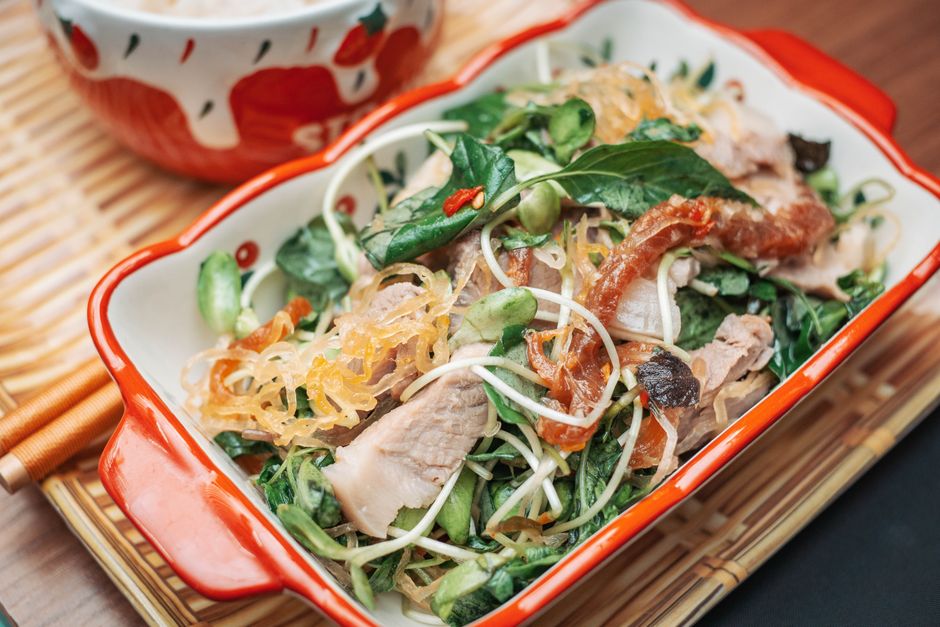
Glass noodles are a popular ingredient in many Asian dishes, from stir-fries to spring rolls. They are made from starch and water, which gives them their signature clear, translucent look. Whether they are healthy depends entirely on what you compare them to and what you eat with them.
What Are Glass Noodles Made Of?
Glass noodles are not made from wheat, so they contain no gluten. They are typically made from mung bean starch, though some brands use potato starch, sweet potato starch, or cassava starch. The starch is mixed with water, extruded into thin strands, and then dried.
Because the main ingredient is starch, these noodles are almost pure carbohydrate. They contain very little protein and almost no fat. They also lack the fiber, vitamins, and minerals that you get from whole grains or vegetables.
Are Glass Noodles Healthy A Nutrition Breakdown
Glass noodles provide energy in the form of carbohydrates, but they offer little else nutritionally. A standard serving of cooked glass noodles (about one cup) contains roughly 160 to 200 calories. The exact numbers vary by brand and how they are prepared.
The glycemic index of glass noodles is a point of debate. Some research suggests that mung bean noodles may have a moderate effect on blood sugar, while other sources indicate a higher glycemic response. Because the evidence varies, it is safest to assume they behave like most refined starches. That means they can raise blood sugar fairly quickly if eaten in large amounts without protein, fat, or fiber alongside them.
Compared to white rice or refined wheat pasta, glass noodles are similar in carbohydrate content. Compared to whole wheat pasta, brown rice, or legume-based noodles, they come up short in fiber and protein.
How Do Glass Noodles Compare to Other Noodles?
The table below shows a general nutritional comparison. These are approximate values for cooked noodles and can vary by brand and cooking method.
| Noodle Type (1 cup cooked) | Calories | Carbohydrates | Protein | Fiber |
|---|---|---|---|---|
| Glass noodles | 160-200 | 39-48 g | 0-1 g | 0-1 g |
| White rice noodles | 190-220 | 44-50 g | 1-2 g | 0-1 g |
| Whole wheat spaghetti | 170-200 | 33-40 g | 7-8 g | 5-6 g |
| Soba (buckwheat) noodles | 110-140 | 22-28 g | 5-6 g | 2-3 g |
| Shirataki noodles | 10-20 | 2-4 g | 0-1 g | 2-3 g |
The key takeaway is that glass noodles are not a protein source and not a fiber source. They are a carbohydrate source. That is not inherently bad, but it matters for how you build your meal.


Do Glass Noodles Have Any Health Benefits?
Glass noodles are gluten-free. For people with celiac disease or non-celiac gluten sensitivity, they are a safe noodle option as long as the brand does not share equipment with wheat products. Always check the label for cross-contamination warnings if gluten is a concern for you.
They are also very low in sodium when cooked in plain water. The sodium content of the final dish comes almost entirely from the sauce or broth you add. This gives you control over salt intake, which is useful for people managing blood pressure.
Some brands make glass noodles from mung bean starch. Mung beans are a legume with a decent nutritional profile, but the processing into starch strips away most of the bean’s protein and fiber. The final product does not retain the nutritional benefits of whole mung beans.
Are Glass Noodles Good for Weight Loss?
Glass noodles are not a particularly helpful food for weight loss on their own. They are calorie-dense relative to their volume and do not provide much satiety. Protein and fiber are the nutrients that keep you feeling full, and glass noodles have almost none of either.
That said, the dish matters more than the noodle. A glass noodle stir-fry loaded with chicken, broccoli, and bell peppers can be a balanced meal. A glass noodle dish that is mostly noodles with a sweet sauce will not keep you full for long and may lead to overeating later.
If you are trying to manage your weight, consider using half the noodles and doubling the vegetables and protein in your dish. This keeps the texture and flavor you enjoy while improving the nutritional balance of the meal.
How Do Glass Noodles Affect Blood Sugar?
Blood sugar response depends on the entire meal, not just the noodle. Eating glass noodles alone will likely raise blood sugar faster than eating them with chicken and vegetables. Protein, fat, and fiber all slow down digestion and blunt the glucose spike.
Some studies on mung bean starch suggest it may have a lower glycemic response than other refined starches. However, this research is not conclusive, and the processing method matters. The same brand can produce different results depending on how the noodles are cooked and cooled.
Cooling cooked starches can increase something called resistant starch. Resistant starch resists digestion in the small intestine and feeds gut bacteria instead. This process happens with many types of noodles and potatoes. The effect is real but modest, and it does not turn glass noodles into a low-carb food.
Are Glass Noodles Safe for Everyone?
Glass noodles are generally safe for most people. They are a simple starch with no common allergens. The main exceptions are people with diabetes who need to watch carbohydrate intake and people following a low-carb or ketogenic diet. For those groups, glass noodles are not a good fit because they are nearly all carbohydrate.
One thing to watch for is serving size. It is easy to eat a large portion of glass noodles because they are not very filling. A plate that looks reasonable can contain 300 to 400 calories of noodles alone before you add any sauce, meat, or vegetables.
What Is the Healthiest Way to Eat Glass Noodles?
The healthiest way to eat glass noodles is to treat them as a minor part of the dish rather than the main event. Use them as a texture element alongside plenty of vegetables and a lean protein source.
Here are some practical tips for building a balanced glass noodle dish:
- Use about half the noodles a recipe calls for and add extra vegetables.
- Add a lean protein such as chicken breast, shrimp, tofu, or eggs.
- Choose a sauce that is not loaded with sugar or sodium. Soy sauce, lime juice, garlic, and ginger add flavor without heavy calories.
- Include a source of healthy fat such as sesame oil, peanut oil, or avocado to improve nutrient absorption and satiety.
Glass noodles cook quickly. Most varieties need only a few minutes in boiling water or a soak in hot water. Overcooking makes them mushy, so follow the package directions and test them early.
Are There Healthier Alternatives to Glass Noodles?
If you want more nutrition from your noodle dish, several alternatives outperform glass noodles. Whole wheat pasta provides fiber and protein. Soba noodles made from buckwheat offer more protein and a nutty flavor. Legume-based noodles made from chickpeas, lentils, or black beans contain substantial protein and fiber.
Shirataki noodles are a very low-calorie option made from konjac root. They contain almost no digestible carbohydrates and are mostly water and fiber. Their texture is different from glass noodles, and they absorb less flavor, but they work well in soups and stir-fries for people watching calories or blood sugar.
Zucchini noodles, often called zoodles, are not a starch at all. They provide vitamins and water but lack the chewy texture many people want from a noodle dish. They work best when you want a light meal.
No single noodle is superior for everyone. The choice depends on your health goals, your taste preferences, and what you are pairing with the noodles.
Frequently Asked Questions
Are glass noodles healthier than rice noodles?
Glass noodles and rice noodles are nutritionally similar, with both being mostly refined carbohydrates and low in protein and fiber. The healthier choice is the one that fits your meal plan and is paired with vegetables and protein.
Do glass noodles contain gluten?
Glass noodles are naturally gluten-free when made from mung bean, potato, or sweet potato starch. Check the package label to confirm the product was processed in a gluten-free facility if you have celiac disease.
Can diabetics eat glass noodles?
People with diabetes can eat glass noodles in small portions, but they should pair them with protein, fiber, and fat to slow blood sugar absorption. They are not a low-carb food and should be counted as part of your carbohydrate intake for the meal.
Why are glass noodles so low in calories?
Glass noodles are not necessarily low in calories per serving, but they are light in weight and expand significantly when cooked. A small dry portion yields a large volume of cooked noodles, which can make portion control tricky.
