
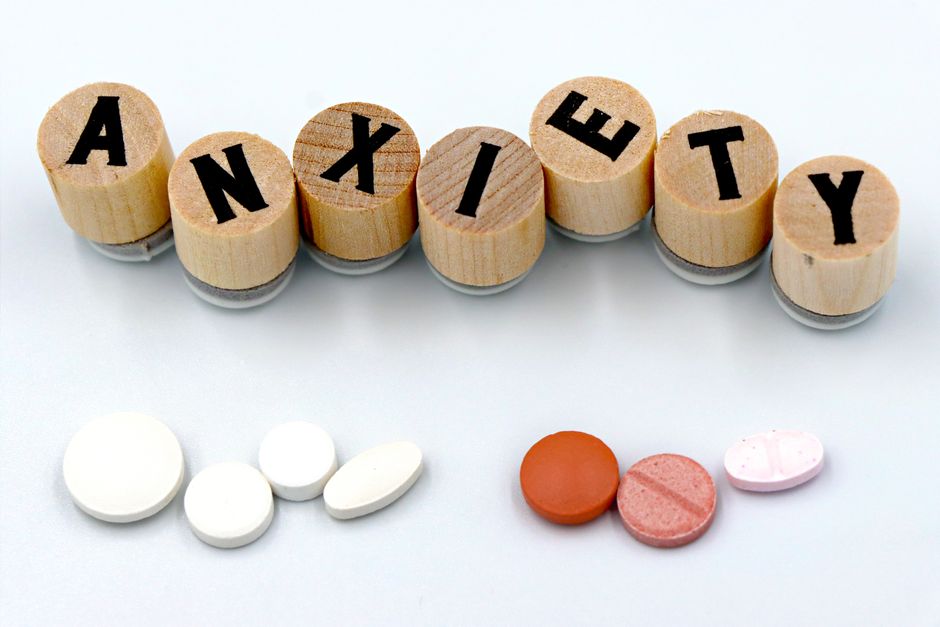
Anxiety can push blood pressure up quickly and noticeably, but the size of that rise varies a lot from person to person. In most people, a burst of anxiety raises the top number (systolic pressure) by a modest amount for a short time, and it settles back down once the stress passes. The key point is that short-term spikes from anxiety are normal and common, while the question of whether anxiety causes lasting high blood pressure is more complicated and still being studied.
What Happens to Blood Pressure During an Anxiety Spike?
When you feel anxious, your body releases stress hormones like adrenaline and cortisol. These trigger the “fight or flight” response. Your heart beats faster and harder, and your blood vessels tighten. Both changes push blood pressure up.
This is a normal survival response. It is the same system that helped your ancestors react to danger. The rise is usually temporary. Once the anxious moment passes, hormone levels fall and blood pressure tends to return toward its usual range.
How high it goes depends on many things: how intense the anxiety is, how long it lasts, your age, your baseline blood pressure, and whether you are already prone to high readings. There is no single number that applies to everyone.
One useful thing to understand is that a reading taken during a stressful moment is not a reliable picture of your normal blood pressure. A single high reading at the doctor’s office, for example, may reflect nerves rather than a lasting problem. This is why clinicians often repeat readings or ask you to measure at home over time.
How Much Does Anxiety Raise Blood Pressure, Really?
There is no fixed number. Research consistently shows that acute stress and anxiety can raise blood pressure in the moment, but the amount varies widely between individuals and situations.
What the evidence does support is the direction of the effect: anxiety and stress reliably tend to increase blood pressure temporarily. The exact size of that increase is not something that can be pinned to one figure for all people. Anyone who tells you anxiety raises blood pressure by a specific number for everyone is oversimplifying.
Some people see only a small bump. Others, especially those who are highly reactive to stress or already have elevated baseline pressure, may see a larger rise. The same person can also respond differently on different days.
What matters more than the exact number is the pattern. If your pressure spikes with stress and returns to normal afterward, that is a normal physiological response. If your readings stay high even when you are calm, that points to a different issue that deserves medical attention.
Can Anxiety Cause Long-Term High Blood Pressure?
This is where the science gets more uncertain. Short-term spikes from anxiety are well established. Whether ongoing anxiety contributes to lasting hypertension is an area of active research, and the evidence is mixed.
Some studies suggest a link between chronic anxiety and a higher risk of developing high blood pressure over time. Other studies have not found a clear connection. The research is complicated by the fact that anxiety often overlaps with other factors that affect blood pressure, like poor sleep, smoking, inactivity, and alcohol use.
What is clearer is that ongoing stress can influence health behaviors that affect blood pressure. People who are chronically anxious may sleep poorly, exercise less, or cope in ways that raise their risk. These indirect pathways may matter as much as any direct effect of anxiety on the cardiovascular system.
The honest position: anxiety is not a proven direct cause of chronic hypertension in the way that, say, excess salt or genetics are established contributors. But it may play a contributing role for some people, and it clearly affects blood pressure in the short term. More research is needed to sort out the long-term picture.



Why Does Anxiety Affect Blood Pressure Differently in Different People?
Several factors shape how much your blood pressure responds to anxiety.
- Baseline blood pressure: People who already run higher may see bigger swings.
- Age: Blood vessels stiffen with age, which can change how they respond to stress.
- Stress reactivity: Some people are simply more reactive to stress hormones than others.
- Sleep and lifestyle: Poor sleep, high caffeine intake, and inactivity can amplify the effect.
- Existing health conditions: Heart and kidney conditions can change how blood pressure responds.
Two people can face the same stressful event and have very different blood pressure responses. That is normal. It is one reason why comparing your readings to someone else’s is not useful.
A less obvious point: the act of measuring blood pressure can itself raise it. Some people feel anxious the moment a cuff goes on, which produces a higher reading than they would have at rest. Clinicians are aware of this and often account for it.
How Can You Tell If It Is Anxiety or Something Else?
Anxiety and high blood pressure can produce overlapping symptoms, which makes it hard to tell them apart on your own.
Anxiety often brings a racing heart, shortness of breath, sweating, trembling, chest tightness, and a sense of dread. High blood pressure on its own usually has no symptoms at all, even when it is dangerously high. This is why it is called the “silent killer.”
If you are having symptoms, they are more likely to come from anxiety than from blood pressure itself. But that does not mean you should ignore high readings. The only reliable way to know your blood pressure is to measure it, ideally when you are calm and rested.
A pattern worth noting: if your pressure is normal when you are relaxed but climbs during anxious periods, anxiety is likely playing a role. If it stays high regardless of your stress level, that deserves a conversation with a doctor.
What Can You Do About Anxiety-Related Blood Pressure Spikes?
Because short-term spikes are a normal stress response, the goal is usually not to eliminate them entirely. The goal is to manage anxiety and support overall heart health.
Approaches that some evidence supports for managing anxiety include regular physical activity, good sleep habits, relaxation techniques like slow breathing, and talking with a mental health professional. Cognitive behavioral therapy is a well-studied treatment for anxiety disorders. Whether these approaches lower blood pressure specifically through reducing anxiety is less firmly established, though the general health benefits are well supported.
If you have an anxiety disorder, getting proper treatment matters for your quality of life regardless of blood pressure. If you have high blood pressure, following your doctor’s guidance on monitoring and any prescribed treatment is important.
Do not stop or change any blood pressure medication on your own based on stress levels. That decision belongs with your clinician.
When Should You See a Doctor?
Talk to a healthcare professional if your blood pressure readings are consistently high, even when you feel calm. Also seek care if you have anxiety that interferes with daily life, or if you have symptoms like chest pain, severe shortness of breath, or fainting.
If you are unsure whether your readings reflect anxiety or a real problem, home monitoring over a period of time gives a clearer picture than any single reading. Bring those numbers to your appointment.
Anxiety and blood pressure are both worth taking seriously. Neither needs to be faced alone. Support from a doctor or mental health professional can help you understand what is happening and what to do about it.
Frequently Asked Questions
Can anxiety raise blood pressure instantly?
Yes, anxiety can raise blood pressure within moments through the release of stress hormones. The rise is usually temporary and settles once the anxious feeling passes.
How high can blood pressure go from anxiety?
There is no single number, because the rise varies widely between people and situations. Some people see only a small bump, while others see a larger spike during intense anxiety.
Does anxiety cause permanent high blood pressure?
The evidence is mixed, and it is not established that anxiety directly causes lasting hypertension. Anxiety may contribute through indirect factors like poor sleep and lifestyle, but more research is needed.
Should I worry about a high reading during a stressful moment?
A single high reading during stress is not a reliable measure of your normal blood pressure. Repeated readings taken while calm give a clearer picture, and you should discuss any pattern of high readings with a doctor.
