
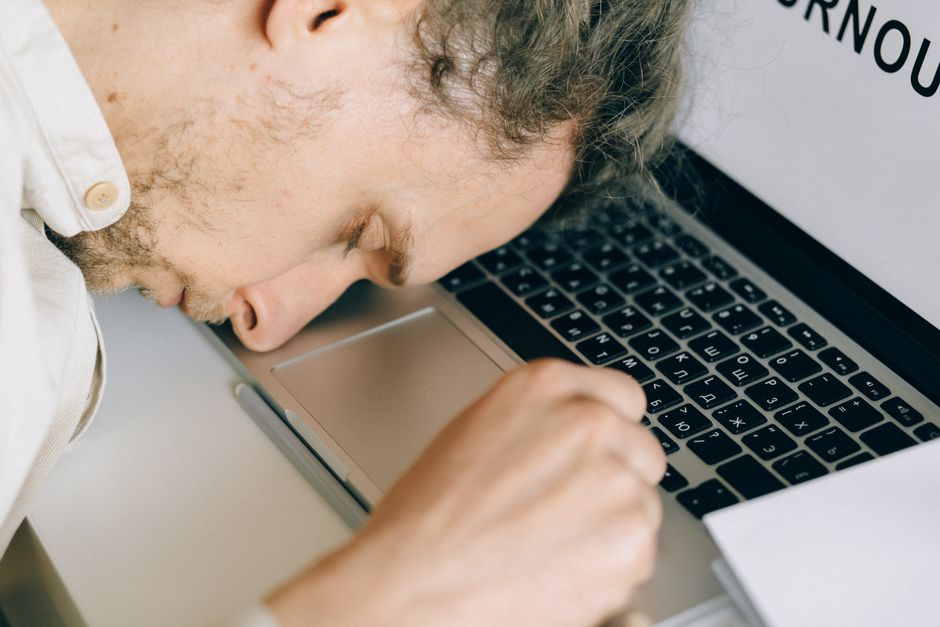
Yes, sleep deprivation can directly cause anxiety. Research shows that missing sleep changes how your brain processes emotions. The part of your brain that controls fear and worry becomes more active. At the same time, the part that helps you think clearly and stay calm slows down. This combination makes anxiety more likely to appear — even if you have never struggled with it before.
The relationship goes both ways. Anxiety can keep you awake. And being awake too long can make you more anxious. This cycle is real and well-documented. The good news is that understanding the connection helps you break it.
What Happens in Your Brain When You Do Not Sleep Enough?
Your brain needs sleep to reset. During deep sleep, it processes memories and emotions from the day. It sorts what matters from what does not. Without enough sleep, this system does not work right.
Research published in the journal Biological Psychiatry found that sleep deprivation increases activity in the amygdala — the brain’s fear center. At the same time, it reduces activity in the medial prefrontal cortex, which helps you control emotional reactions. This means your brain becomes more sensitive to threats and less able to calm itself down.
One study from the University of California, Berkeley showed that people who missed a full night of sleep had a 60% increase in amygdala reactivity when shown upsetting images. When they were well-rested, the same images caused far less response. That is a big difference from just one night of lost sleep.
Your body also releases more stress hormones like cortisol when you are sleep-deprived. Higher cortisol levels make you feel on edge. Your heart may beat faster. Your muscles may feel tense. These physical sensations can feel like anxiety — or trigger it.
Does Sleep Deprivation Cause Anxiety in People Who Have Never Had It?
Yes. You do not need a history of anxiety to experience it from sleep loss. Studies have found that even healthy people with no mental health conditions show higher anxiety scores after poor sleep.
A 2020 study from the University of Pittsburgh tracked over 200 adults with no history of anxiety disorders. Participants who slept fewer than six hours per night for five consecutive nights reported significantly higher anxiety levels than those who slept seven to nine hours. The effect was consistent across age groups and genders.
This matters because many people assume anxiety must come from stress or genetics. While those play a role, sleep is a separate and powerful factor. Fixing your sleep can reduce anxiety even when nothing else has changed in your life.
Some people report that their anxiety disappears completely after a few nights of good sleep. This is widely claimed though strong evidence is limited to individual cases. What research does show is that anxiety levels drop meaningfully when sleep improves — even if they do not vanish entirely.
How Much Sleep Do You Need to Avoid Anxiety?
The CDC recommends that adults get at least seven hours of sleep per night. This is based on a large body of research linking shorter sleep to higher rates of mental health problems including anxiety.
But the quality of sleep matters too. Six hours of restless sleep with multiple awakenings may not be enough. Eight hours of deep uninterrupted sleep is better. The key is consistency. Sleeping five hours on weeknights and nine hours on weekends does not protect your brain the same way as steady seven to eight hours each night.
Here is a simple comparison of sleep duration and its typical effects on anxiety risk:
| Sleep Duration | Typical Effect on Anxiety |
|---|---|
| Less than 5 hours | High risk — amygdala overactive, cortisol elevated |
| 5 to 6 hours | Moderate risk — emotional regulation impaired |
| 7 to 8 hours | Low risk — normal emotional processing |
| 9+ hours | Mixed — may indicate other health issues |
If you consistently sleep less than six hours and feel anxious, improving your sleep is one of the most effective steps you can take. It is not a cure for everyone. But for many people it makes a real difference.



Can Catching Up on Sleep Reverse Anxiety?
Partially yes. Research shows that one or two nights of recovery sleep can lower anxiety levels. But it does not fully undo the effects of chronic sleep loss.
A study from Harvard Medical School found that participants who slept only four hours for five nights had lasting changes in brain activity even after two nights of recovery sleep. Their amygdala was still more reactive than at baseline. This suggests that long-term sleep deprivation may have cumulative effects that take longer to reverse.
That said, even partial recovery helps. Most people report feeling less anxious after a full night of sleep compared to a poor one. The brain is resilient. With consistent good sleep over weeks, the anxiety response tends to normalize.
If you have been sleep-deprived for months, do not expect one weekend of sleep to fix everything. Be patient. Give your brain time to recover. Focus on getting seven to eight hours consistently for at least two weeks before judging whether sleep helps your anxiety.
What Practical Steps Actually Reduce Anxiety from Sleep Loss?
Start with your sleep schedule. Go to bed and wake up at the same time every day — including weekends. This trains your body’s internal clock. Irregular schedules confuse your brain and make sleep less restorative.
Reduce screen time before bed. Blue light from phones and computers suppresses melatonin, the hormone that helps you fall asleep. Try putting devices away 60 minutes before bed. Read a book or listen to calm music instead.
- Keep your bedroom cool — around 65 to 68 degrees Fahrenheit is ideal
- Use blackout curtains to block light
- Avoid caffeine after 2 PM
- Limit alcohol — it disrupts deep sleep even if it helps you fall asleep
- Exercise earlier in the day — vigorous activity too close to bed can keep you awake
If you wake up anxious in the middle of the night, do not lie in bed worrying. Get up. Go to another room. Read something boring in dim light until you feel sleepy again. Staying in bed teaches your brain to associate your bed with anxiety.
If sleep problems last more than a few weeks despite these changes, talk to a doctor. You may have an underlying sleep disorder like insomnia or sleep apnea. Treating the root cause is more effective than trying to manage the symptoms alone.
Common Misconceptions About Sleep and Anxiety
One common belief is that anxiety causes all sleep problems. This is not true. For many people, sleep deprivation comes first. The anxiety follows. Treating sleep directly can break the cycle without needing anxiety treatment.
Another misconception is that you can “train” yourself to need less sleep. Some people claim they function fine on five hours. Research from the University of Pennsylvania shows that people who sleep six hours or less for two weeks perform as poorly on cognitive tests as someone who has been awake for 48 hours straight. They just do not realize how impaired they are.
Some people believe that sleeping pills are a safe long-term solution. They are not. Most sleep medications are intended for short-term use only. They can create dependence and actually worsen sleep quality over time. Cognitive behavioral therapy for insomnia (CBT-I) is more effective and safer for long-term use.
Finally, many people think anxiety from sleep loss is all in their head. It is not. The physical symptoms — racing heart, shallow breathing, muscle tension — are real. They come from your nervous system being stuck in a heightened state. Acknowledging this can help you take it seriously rather than dismissing it.
Frequently Asked Questions
Can one night of no sleep cause anxiety?
Yes. Even a single night of total sleep loss can increase anxiety levels the next day due to heightened amygdala activity and elevated cortisol.
How long does it take for anxiety to go away after fixing sleep?
Most people notice improvement within a few days but full normalization of brain activity may take one to two weeks of consistent good sleep.
Does sleep deprivation cause panic attacks?
It can. Research shows that sleep loss lowers the threshold for panic responses making people more likely to experience sudden intense fear.
Can napping help reduce anxiety from poor sleep?
A short nap of 20 minutes may temporarily lower stress but it does not replace the restorative value of a full night of sleep for emotional regulation.
