
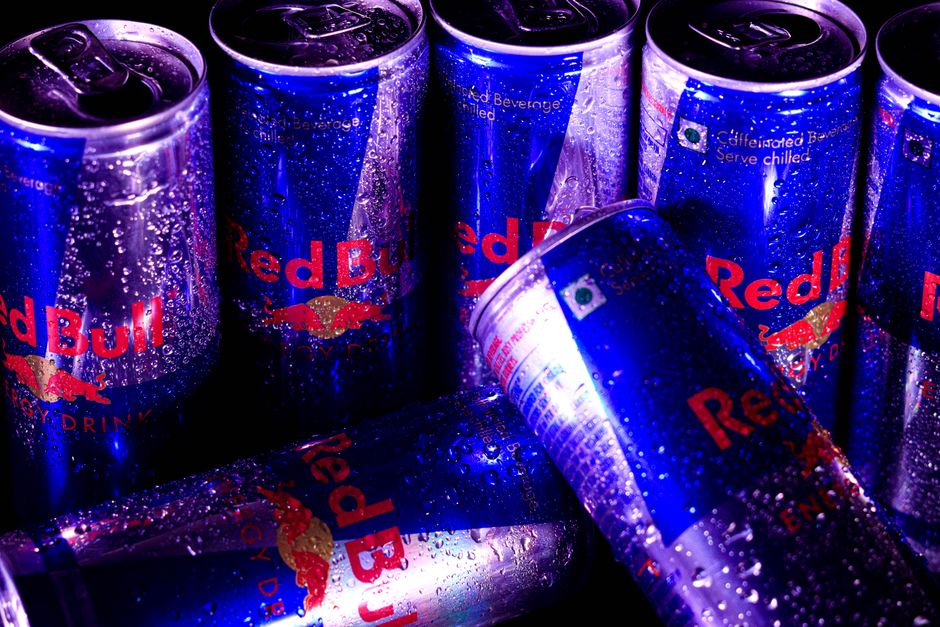
A 12-ounce can of Red Bull contains 114 milligrams of caffeine. This is the standard size sold in most US convenience stores and grocery chains, though Red Bull also comes in 8.4-ounce and 16-ounce cans. The 8.4-ounce can has 80 milligrams, and the 16-ounce can has 151 milligrams. If you are watching your caffeine intake, the 12-ounce size sits between a standard cup of coffee and a strong energy drink.
How Does Red Bull Compare to Coffee and Other Drinks?
A 12-ounce Red Bull has 114 milligrams of caffeine. A typical 8-ounce cup of brewed coffee contains about 95 milligrams. That means Red Bull is slightly stronger per ounce than coffee, but the serving sizes differ.
Most people drink a 12-ounce coffee, which delivers closer to 140 milligrams of caffeine. So a 12-ounce Red Bull actually has less caffeine than a 12-ounce coffee. The difference matters because many people assume energy drinks are the strongest caffeine source. They are not.
Here is how common drinks compare in caffeine content:
- 8-ounce brewed coffee: 80-100 mg
- 12-ounce Red Bull: 114 mg
- 12-ounce cola: 34-46 mg
- 8-ounce black tea: 40-70 mg
- 16-ounce energy drink (other brands): 150-300 mg
Red Bull is moderate when compared to other energy drinks. Many competing brands pack 200 milligrams or more into a single can. Red Bull’s caffeine level is closer to coffee than to the high-caffeine energy shots on the market.
What Does 114 Milligrams of Caffeine Do to Your Body?
Caffeine works by blocking adenosine receptors in the brain. Adenosine is a chemical that builds up during the day and makes you feel sleepy. When caffeine blocks it, you feel more alert and less tired.
The effects start about 15 to 30 minutes after you drink it. Peak blood levels occur around 45 to 60 minutes later. The half-life of caffeine is roughly 4 to 6 hours for most adults. That means half of the caffeine is still in your system 5 hours after you finish the can.
For most healthy adults, 114 milligrams is a modest dose. The FDA considers up to 400 milligrams per day safe for healthy adults. That is roughly three and a half 12-ounce Red Bulls. Individual tolerance varies, and some people feel jittery after a single can.
Your body weight, genetics, and how often you consume caffeine all affect how you respond. People who rarely drink caffeine will feel the effects more strongly. Regular coffee drinkers may barely notice 114 milligrams.
Is Red Bull’s Caffeine Content Different From Its Sugar Content?
Yes, and this is worth separating. The caffeine in Red Bull is the same chemical as caffeine in coffee. But Red Bull also contains sugar, taurine, B vitamins, and other ingredients that affect how the drink impacts you.
A 12-ounce Red Bull contains about 38 grams of sugar. That is roughly 9 teaspoons. The sugar is absorbed quickly and can cause a rapid spike in blood glucose followed by a crash. This crash is often mistaken for a caffeine crash, but it is largely a sugar effect.
Red Bull also offers sugar-free versions. The sugar-free 12-ounce can still has 114 milligrams of caffeine but uses artificial sweeteners instead of sugar. The caffeine effects are similar, but the sugar-free version avoids the blood sugar spike.
If you feel a strong energy dip after drinking Red Bull, the sugar is likely a major contributor. Caffeine alone does not typically produce the sudden crash that sugar does.




Who Should Be Careful With 114 Milligrams of Caffeine?
Most healthy adults handle 114 milligrams without problems. But some groups need more caution.
Pregnant women are advised to limit caffeine intake. The American College of Obstetricians and Gynecologists recommends keeping caffeine under 200 milligrams per day during pregnancy. A 12-ounce Red Bull at 114 milligrams is within that limit, but it uses over half of the daily allowance. If you are pregnant and want an energy drink, that single can is close to the maximum safe amount.
People with anxiety disorders may find caffeine worsens their symptoms. Caffeine can increase heart rate and trigger feelings of nervousness. If you are prone to anxiety, even 114 milligrams may feel uncomfortable.
People with heart conditions or high blood pressure should check with their doctor. Caffeine causes a temporary rise in blood pressure. For most people this is harmless, but it can be significant for those with existing heart issues.
Children and teenagers are more sensitive to caffeine. The American Academy of Pediatrics advises against energy drinks for children and adolescents. The caffeine content in a 12-ounce Red Bull is not appropriate for a young child.
How Long Does the Caffeine From a 12-Ounce Red Bull Last?
The alertness from 114 milligrams of caffeine typically lasts 3 to 5 hours. But the full effect timeline depends on your metabolism.
If you drink a 12-ounce Red Bull at 3 PM, about half the caffeine is still active at 8 PM. That can interfere with sleep if you are sensitive to caffeine. The general guidance is to avoid caffeine within 6 hours of bedtime, though some people need a longer window.
People who smoke or take certain medications metabolize caffeine faster. People with liver conditions or who take oral contraceptives may metabolize it more slowly. If you are not sure how you process caffeine, start with half a can and observe how you feel.
Is Red Bull More Dangerous Than Coffee?
No clinical evidence shows that Red Bull is more dangerous than coffee at equivalent caffeine doses. The caffeine molecule is identical regardless of the source.
What differs is the other ingredients. Red Bull contains taurine, an amino acid, and B vitamins. These have not been shown to cause harm at the levels in Red Bull. Some research suggests that mixing energy drinks with alcohol is risky, but that is a separate issue from the caffeine content alone.
One real difference is speed of consumption. People tend to drink a 12-ounce Red Bull quickly, while coffee is often sipped over 30 to 60 minutes. Drinking caffeine faster delivers it to your system more rapidly, which can intensify the effects.
The bigger concern with energy drinks is the pattern of use. Some people drink multiple cans per day, which pushes total caffeine intake well above safe levels. A single 12-ounce Red Bull is not dangerous for a healthy adult. Three or four in a day can be.
How to Know Your Caffeine Limit
The FDA’s 400-milligram daily guideline applies to healthy adults. That translates to about three and a half 12-ounce Red Bulls spread across the day.
But the guideline is an upper limit, not a target. Many people feel negative effects well below 400 milligrams. Common signs you have had too much caffeine include:
- Racing heart or palpitations
- Jitteriness or shaking
- Trouble sleeping
- Stomach upset
- Headaches
- Anxiety or restlessness
If you experience these symptoms after a 12-ounce Red Bull, your personal tolerance is lower than average. That does not mean the drink is unsafe. It means your body is telling you to reduce your intake.
Caffeine tolerance builds with regular use. People who drink Red Bull daily may need more to feel the same effect over time. This is not necessarily a sign of addiction, but it is a reason to monitor your consumption.
Frequently Asked Questions
How much caffeine is in a 12 ounce Red Bull?
A 12-ounce Red Bull contains 114 milligrams of caffeine. This is comparable to a standard 8-ounce cup of brewed coffee.
Is 114 mg of caffeine a lot?
No, 114 milligrams is a moderate dose for a healthy adult. The FDA considers up to 400 milligrams per day safe, so one can uses less than a third of the daily limit.
How does Red Bull compare to coffee?
A 12-ounce Red Bull has 114 milligrams of caffeine, while a 12-ounce brewed coffee has about 140 milligrams. Coffee is slightly stronger when serving sizes are equal.
Can I drink Red Bull while pregnant?
Medical guidelines recommend keeping caffeine under 200 milligrams per day during pregnancy. A 12-ounce Red Bull at 114 milligrams is within that limit but uses over half of the daily allowance.
