
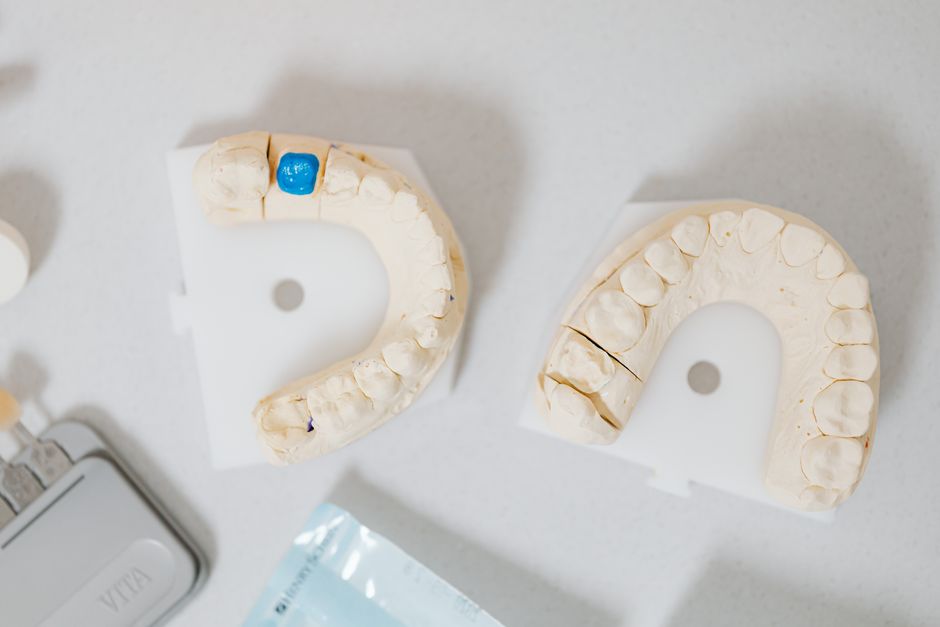
A dental crown usually costs between $800 and $3,000 or more for a single tooth. The final price depends on the material used, where you live, and whether you have dental insurance. Most insurance plans cover about 50 percent of the cost for a crown after you meet your deductible. The actual amount you pay out of pocket can range from a few hundred dollars to over $1,500 depending on your specific plan and choice of dentist.
What Factors Affect the Cost of a Tooth Crown?
Several things determine what you will pay for a crown. The material is the biggest factor. Porcelain crowns cost more than metal ones. The location of the tooth also matters. Molars handle more chewing force and may need stronger materials. Front teeth need to look natural, so cosmetic materials are often preferred.
The dentist’s experience and location affect price too. A specialist like a prosthodontist charges more than a general dentist. Prices in large cities are usually higher than in rural areas. The lab that makes the crown also sets a fee. High-quality labs charge more for their work.
Your specific dental needs matter as well. A tooth that needs extensive preparation before the crown takes more time. A tooth that has had a root canal may need a post and core buildup. This adds to the total cost. Emergency appointments or same-day crowns also cost more because of the equipment and technique involved.
How Much Do Different Types of Crowns Cost?
Crowns are made from several materials. Each has a different price range and serves a different purpose. Here is a breakdown of common crown types and their general cost ranges. These are estimates based on typical dental fees in the United States without insurance.
| Material | Typical Cost Range Without Insurance | Key Features |
|---|---|---|
| Metal (gold or base metal) | $800 to $1,500 | Very strong, long-lasting, noticeable color |
| Porcelain-fused-to-metal | $800 to $1,700 | Good strength, natural look, may show metal line over time |
| All-porcelain or all-ceramic | $1,000 to $2,500 | Best appearance, no metal, slightly less strong than metal |
| Zirconia | $1,200 to $3,000 | Very strong, natural-looking, highly durable |
| Same-day ceramic (computer-aided design and manufacturing) | $1,000 to $2,000 | Convenient, completed in one visit, may not match lab-made quality |
These ranges reflect national averages. Your actual cost may be higher or lower depending on your specific dentist and region. Some high-end cosmetic dentists charge significantly more for all-porcelain crowns made in premium labs.
Does Dental Insurance Cover Crowns?
Most dental insurance plans consider crowns a major restorative service. They typically cover 50 percent of the cost after you meet your annual deductible. The deductible is usually between $50 and $100. Your plan also has an annual maximum, typically $1,000 to $2,000 per year. If you need multiple crowns, you may hit that limit quickly.
Insurance plans often have a waiting period before they cover major services. Some plans will not cover a crown on a tooth that already had one within the last five years. This is called the replacement clause. Check your specific policy for these details.
Some plans only cover the least expensive option that works for the tooth. If you choose a more expensive material like all-porcelain, you pay the difference. This is called the alternate benefit clause. Your dentist can often help you understand what your plan covers before you start treatment.





Are There Lower-Cost Alternatives to Crowns?
Several alternatives exist for damaged teeth that may cost less than a crown. Each has advantages and limitations. The right choice depends on how much tooth structure remains and where the tooth is located.
Fillings cost less than crowns but only work when enough healthy tooth remains. Large fillings can weaken a tooth over time. Inlays and onlays are custom-made restorations that fit into or onto the tooth. They cost less than full crowns and preserve more natural tooth structure. Many dentists consider them a good middle option.
Veneers cover only the front of the tooth. They are an option for a front tooth with minor damage but not for a tooth that needs full protection. Extraction is the cheapest immediate option, but replacing the missing tooth with an implant or bridge costs far more long-term.
No alternative provides the same level of protection for a severely damaged tooth as a crown. A partial restoration may save money now but could lead to more expensive treatment later.
What Is the Total Cost of Getting a Crown?
The fee for the crown itself is not the only cost. You typically pay for several steps in the process. The initial exam and x-rays usually cost $50 to $200. If the tooth needs a root canal before the crown, that adds $700 to $1,500 or more. A post and core buildup, which reinforces the tooth, adds $100 to $300.
The crown preparation appointment includes numbing, shaping the tooth, taking impressions, and placing a temporary crown. This part of the fee is usually bundled into the crown price. The final appointment to cement the permanent crown is also included in most cases.
If you need sedation for the procedure, that adds another fee. Nitrous oxide may cost $50 to $150. Oral sedation or intravenous sedation costs several hundred dollars more. Some dentists include basic numbing in the crown fee but charge extra for any other sedation option.
How Can You Save Money on a Crown?
Several strategies can reduce what you pay for a dental crown. Discussing payment options with your dentist is a good first step. Many dentists offer payment plans through third-party financing companies. These allow you to spread the cost over several months. Some charge interest, so read the terms carefully.
Dental schools offer crowns at reduced rates. The work is done by students under supervision of licensed faculty. The cost can be 50 to 60 percent less than a private practice. The appointments take longer because students work slowly and carefully. This can be a good option if you have flexible time.
Dental discount plans are not insurance but offer reduced fees for a yearly membership. You pay a flat fee and get 10 to 60 percent off services at participating dentists. These plans have no deductibles or waiting periods.
Some dentists offer a discount for paying cash at the time of service. This saves them the cost of processing insurance claims and billing. Ask your dentist if they offer this option. Also ask about a senior or military discount if you qualify.
Frequently Asked Questions
How much does a crown cost without insurance?
Without insurance, a single dental crown typically costs between $800 and $3,000 depending on the material and dentist. Metal crowns cost less, and all-ceramic or zirconia crowns cost more.
How long do dental crowns last?
A well-made crown usually lasts 10 to 15 years with good oral hygiene and regular dental visits. Some crowns last 20 years or more, especially gold crowns with proper care.
Does a root canal crown cost more than a regular crown?
Yes, the total cost is higher because you pay for both the root canal and the crown. The root canal alone adds $700 to $1,500, and the crown adds its own fee on top of that.
Are same-day crowns more expensive?
Same-day crowns often cost $100 to $300 more than traditional lab-made crowns. The convenience of a single appointment and the digital equipment used to make them drive the price higher.
