
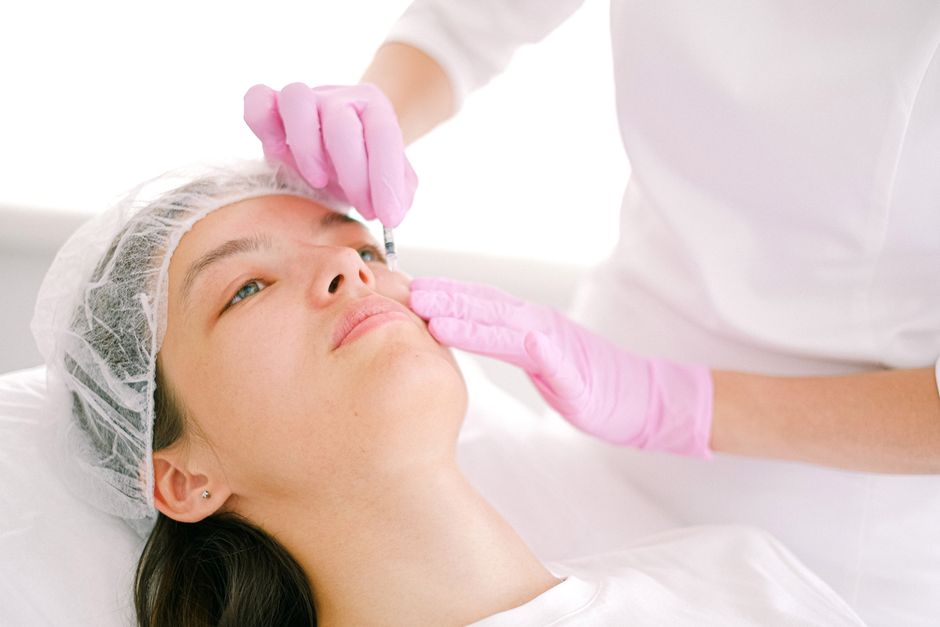
The vertical lines between your eyebrows, often called the “11s,” are one of the most common areas people treat with Botox. For most people, treating the 11s requires 20 to 30 units of Botox. The cost ranges from $10 to $20 per unit, so a session typically costs $200 to $600. Results appear within days and last about three to four months.
What Are the 11s?
The “11s” are the two vertical lines that form between your eyebrows when you frown or concentrate. They are also called glabellar lines. These lines develop from repeated contraction of the corrugator and procerus muscles. Over time, the skin loses elasticity and the lines become more noticeable even when your face is relaxed.
Botox (onabotulinumtoxinA) works by temporarily blocking nerve signals to these muscles. When the muscles cannot contract, the skin above them smooths out. This is a well-established treatment that has been studied extensively. The FDA approved Botox for glabellar lines in 2002.
How Many Units of Botox Do You Need for 11s?
The FDA-approved dose for treating glabellar lines with Botox is 20 units. This is divided into five injection sites: one in the procerus muscle (the horizontal muscle at the top of the nose) and two in each corrugator muscle (one on each side). However, the number of units can vary from person to person.
Many people need 20 to 30 units total. Factors that affect the dose include the strength of your muscles, the depth of your lines, and your individual anatomy. Men often need more units than women because their muscles are typically larger and stronger. Some people with very deep lines may need up to 40 units, but this is less common.
Your injector will assess your muscles during a consultation. They may ask you to frown or squint to see how the muscles move. The goal is to weaken the muscles enough to smooth the lines without freezing the entire forehead. The units are measured in small increments, and a skilled injector will adjust the dose to achieve a natural look.
It is important to note that different brands of neuromodulators—such as Dysport (abobotulinumtoxinA), Xeomin (incobotulinumtoxinA), and Jeuveau (prabotulinumtoxinA)—have different unit equivalencies. For example, approximately 3 units of Dysport equal 1 unit of Botox. If you switch brands, the number of units will change accordingly.
How Much Does Botox for 11s Cost?
Botox is priced per unit. In the United States, the average cost per unit ranges from $10 to $20. At $12 per unit, a 20-unit treatment costs $240. At $18 per unit, a 30-unit treatment costs $540. So the total cost for treating the 11s typically falls between $200 and $600 per session.
Several factors influence the final price. Geographic location is a major one—treatments in large cities or wealthy areas tend to cost more. The injector’s experience and credentials also matter: board-certified dermatologists and plastic surgeons often charge more than providers at med spas. Additionally, some providers charge a flat fee per area rather than per unit. For example, a “glabellar area” treatment might cost $300 to $500 regardless of the exact number of units used.
Insurance does not cover Botox for cosmetic purposes. You will pay out-of-pocket. Some clinics offer loyalty programs or discounts for multiple areas. Be wary of any provider offering Botox for significantly less than $10 per unit—this could indicate diluted product or an inexperienced injector.



How Long Do Botox Results for 11s Last?
Results from Botox for the 11s are not immediate. You may notice a small improvement within 24 to 48 hours. The full effect usually appears 7 to 14 days after the injection. At that point, the lines should be markedly smoother or completely gone when your face is at rest. When you try to frown, you will feel much less movement.
The effects of Botox typically last 3 to 4 months. After that, the nerve signals return to the muscles, and the lines gradually reappear. If you get regular treatments, the muscles may become weaker over time, and some people find that the results last a bit longer with repeated sessions. This effect is not guaranteed and varies by person.
Once the lines return, they may look the same as before or slightly less pronounced if the skin has had time to recover. To maintain the results, most people schedule treatments every 3 to 4 months.
What Are the Side Effects and Risks of Botox for 11s?
Botox for the 11s is generally safe when injected by a qualified professional. Common side effects include temporary bruising, swelling, redness, or pain at the injection sites. These usually resolve within a few days.
A more specific risk is eyelid or brow drooping (ptosis). This happens if the Botox spreads beyond the intended muscles and affects the muscles that lift the eyelid or brow. Ptosis is usually temporary and resolves on its own within weeks. An experienced injector reduces this risk by using small volumes and staying within the correct injection zone.
Less common side effects include headache, flu-like symptoms, or allergic reactions. Serious complications like difficulty swallowing or breathing are extremely rare with cosmetic doses and would indicate a problem with the injection technique or product. Always use an FDA-approved product from a licensed medical professional.
You should not get Botox if you are pregnant, breastfeeding, or have a neurological condition such as myasthenia gravis. Discuss your full medical history with your injector before treatment.
How to Choose a Provider for Botox Injections
Choosing the right injector is more important than finding the lowest price. Look for a board-certified dermatologist, plastic surgeon, or oculoplastic surgeon. These doctors have extensive training in facial anatomy and injection techniques. They are also best equipped to handle rare complications.
Nurse practitioners and physician assistants can also inject safely if they work under a doctor’s supervision and have received specific training in cosmetic injectables. Avoid unlicensed estheticians or anyone without a medical background. Med spas can be reputable if a medical director is actively involved, but do your research.
During a consultation, ask how many units they typically use for the 11s, what brand they use, and how often they perform this treatment. A confident injector should be able to explain their approach clearly. Look at before-and-after photos of actual patients. A good injector will aim for a natural result that still allows some movement, not a completely frozen brow.
Frequently Asked Questions
How many units of Botox are typically used for the 11s?
Most people need 20 to 30 units for the glabellar lines. The FDA-approved dose is 20 units, but your injector may adjust based on your muscle strength and anatomy.
How much does Botox for 11s cost per unit?
The average cost is between $10 and $20 per unit in the United States. A full treatment for the 11s usually runs $200 to $600.
How long does Botox for 11s last?
The effects typically last 3 to 4 months. Full results appear about 1 to 2 weeks after the injections, then gradually fade.
Can Botox for the 11s cause droopy eyelids?
Yes, temporary drooping (ptosis) can occur if the Botox spreads to nearby muscles. This risk is low with an experienced injector and usually resolves on its own in 2 to 4 weeks.
