
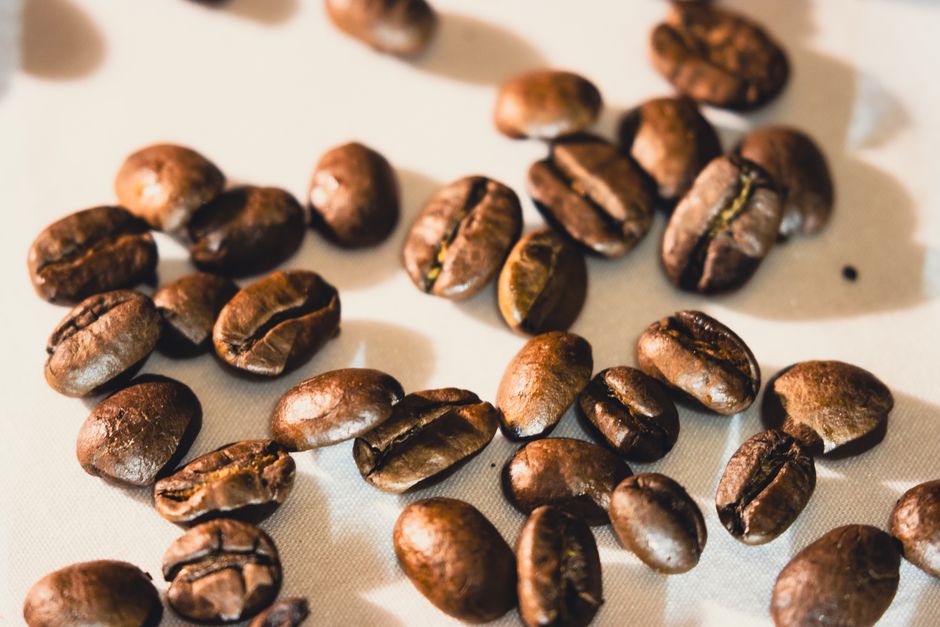
An espresso bean doesn’t have a set amount of caffeine. The caffeine is in the bean before it is roasted, and it stays there until hot water pulls it out during brewing. So when someone asks “how much caffeine in espresso beans,” the real answer depends on the type of bean, how it was roasted, and most importantly, how it was brewed. A single shot of espresso typically contains about 63 milligrams of caffeine. That number comes from the USDA and refers to a standard 1-ounce shot. But the beans themselves, if eaten whole, can deliver a different amount entirely.
How Much Caffeine Is In A Single Espresso Shot?
A standard single shot of espresso contains roughly 63 milligrams of caffeine. That is the figure used by the USDA for a 1-fluid-ounce serving. This is less than a standard 8-ounce cup of brewed coffee, which typically contains 80 to 100 milligrams.
Most people are surprised by this. Espresso tastes stronger and more concentrated, so it seems like it should have more caffeine. The confusion comes from concentration versus total amount. Espresso has more caffeine per ounce, but you drink far fewer ounces. A double shot, which is what most coffee shops serve, comes in around 126 milligrams.
Does The Type Of Coffee Bean Change The Caffeine?
Yes. Two main species of coffee beans are sold commercially: Arabica and Robusta. Arabica beans contain about 1.2 to 1.5 percent caffeine by weight. Robusta beans contain about 2.2 to 2.7 percent. That is nearly double.
Most specialty coffee shops use 100 percent Arabica beans. That means their espresso shots sit at the lower end of the caffeine range. Robusta is often used in instant coffee or blended into espresso blends in Europe to add crema and body. If your espresso uses Robusta, the caffeine content will be higher.
Decaf espresso is not caffeine-free. A decaf shot still contains about 3 to 15 milligrams of caffeine depending on the decaffeination process and the bean. The FDA allows coffee to be labeled decaffeinated if at least 97 percent of the caffeine is removed.
Does Roasting Affect Caffeine Levels?
Roasting does not meaningfully change the caffeine content of the bean. A light roast and a dark roast from the same batch of beans will have nearly identical caffeine by weight.
The common myth that dark roast has less caffeine comes from a measurement error. Dark roast beans lose more water weight during roasting, so they become less dense. If you measure caffeine by volume — scooping beans with a spoon — dark roast appears weaker because you need fewer beans to fill the scoop. If you measure by weight, the caffeine is essentially the same.
Roasting does change flavor dramatically. Dark roasts taste bolder and more bitter, which reinforces the idea that they are stronger. Bitterness is not caffeine. It comes from compounds created during the roasting process.

What About Eating Espresso Beans?
Eating espresso beans delivers caffeine differently than drinking espresso. When you brew coffee, most of the caffeine extracts into the water. When you eat the bean, you consume the whole thing, including the caffeine that would have stayed behind.
A single roasted coffee bean contains roughly 6 milligrams of caffeine. That number varies with bean size and type. Robusta beans will be higher, Arabica lower. A handful of chocolate-covered espresso beans — about 10 to 15 beans — can deliver 60 to 90 milligrams of caffeine. That is comparable to a full shot of espresso or more.
Eating beans also delivers caffeine faster in some ways because the digestive tract absorbs it directly. The chocolate coating adds sugar and fat, which can slow absorption slightly, but the total caffeine load is still there.
The bigger risk with eating espresso beans is portion control. People do not stop at one bean. A small bag of chocolate-covered beans can easily contain 200 to 400 milligrams of caffeine. For reference, the FDA cites 400 milligrams per day as a safe limit for healthy adults. Exceeding that can cause jitteriness, rapid heartbeat, and insomnia.
How Much Caffeine Is Too Much?
For most healthy adults, up to 400 milligrams of caffeine per day is considered safe by the FDA. That is roughly four 8-ounce cups of brewed coffee or about six single shots of espresso.
Sensitivity varies widely. Some people feel anxious and restless after a single shot. Others can drink espresso late in the evening and sleep fine. Genetics, body weight, and regular caffeine use all play a role.
Pregnant women are advised to keep caffeine intake lower. The American College of Obstetricians and Gynecologists suggests that less than 200 milligrams per day is safe during pregnancy. That is about three single shots of espresso. No clinical guidelines currently exist for caffeine limits in children, but pediatricians generally recommend avoiding it altogether for young kids.
Symptoms of too much caffeine include racing heart, stomach upset, anxiety, and trouble sleeping. In severe cases, very high doses can cause seizures or irregular heart rhythms. If you experience those symptoms after espresso, cut back.
Why Does Espresso Feel Stronger Than Regular Coffee?
Espresso feels stronger because it is more concentrated. A single ounce of espresso contains about 63 milligrams of caffeine. An ounce of brewed coffee contains only about 10 to 12 milligrams. That is a six-fold difference in concentration.
Your body does not care much about concentration. It cares about total caffeine. A 2-ounce double shot and a 12-ounce drip coffee deliver similar total caffeine amounts. But the espresso hits your system faster because you drink it in seconds rather than over twenty minutes.
There is also a psychological component. Espresso is served in small cups, tastes intense, and is associated with alertness. People expect it to hit hard. That expectation does not change the chemistry, but it can change how you perceive the effect.
Frequently Asked Questions
How much caffeine is in one espresso bean?
One roasted coffee bean contains roughly 6 milligrams of caffeine. The exact amount depends on the bean variety and size.
Is espresso stronger than regular coffee?
Espresso has more caffeine per ounce but less total caffeine per serving. A single shot has about 63 milligrams, while an 8-ounce cup of drip coffee has 80 to 100 milligrams.
Does dark roast espresso have less caffeine?
No. Roasting does not significantly change caffeine content. Dark roast beans are less dense, so a scoop of dark roast has fewer beans, but the same weight delivers the same caffeine.
How many espresso beans equal one shot of espresso?
About 10 to 15 beans contain the same caffeine as a single shot. A typical espresso shot uses roughly 40 to 50 beans, but most of the caffeine stays in the grounds when brewed.
