
No, green tea does not have as much caffeine as coffee. A standard cup of brewed coffee contains roughly two to three times more caffeine than a standard cup of green tea. The exact amount varies based on the type of tea, the brand, and how it is brewed, but the general rule holds: coffee delivers a stronger caffeine jolt than green tea.
How Much Caffeine Is in Green Tea vs. Coffee?
An 8-ounce cup of brewed coffee typically contains about 95 milligrams of caffeine. The same size cup of green tea usually has between 25 and 40 milligrams. That is a significant difference.
These numbers come from the U.S. Department of Agriculture food data. They are averages. Your actual cup may differ depending on several factors.
Espresso is more concentrated. A single 1-ounce shot of espresso contains about 63 milligrams of caffeine. But because you drink a much smaller volume, a typical espresso drink has less total caffeine than a full mug of drip coffee.
Why Does the Caffeine Amount Vary So Much?
Several things affect the caffeine content in green tea. The age of the leaves matters. Young leaves contain more caffeine than older leaves. The part of the plant used matters too. Tea made from buds and upper leaves generally has more caffeine than tea from lower leaves.
Brewing time and water temperature are the biggest factors you control. Steeping green tea longer extracts more caffeine. Using hotter water also pulls out more caffeine. Many green teas are brewed with water below boiling, around 160 to 180 degrees Fahrenheit, which extracts less caffeine than the near-boiling water used for black tea or coffee.
The specific cultivar of the tea plant also plays a role. Some green tea varieties, like gyokuro from Japan, are grown in shade. Shade-grown teas often have higher caffeine levels than teas grown in full sun. Even so, a cup of gyokuro typically still has less caffeine than a cup of coffee.
How Does the Caffeine Feel Different?
Caffeine from green tea often feels less intense than caffeine from coffee. This is not just about the amount. Green tea contains L-theanine, an amino acid that may work alongside caffeine to produce a calmer, more focused alertness.
Research suggests L-theanine can reduce some of the jittery side effects of caffeine. Some studies indicate it may improve attention when combined with caffeine. The effect is real but modest. It does not make green tea caffeine-free, and it does not eliminate caffeine’s stimulating effects entirely.
Coffee has a small amount of L-theanine but not enough to produce the same effect. If you are sensitive to caffeine and find coffee makes you feel anxious or shaky, green tea may feel gentler on your system.
Does Matcha Count as Green Tea?
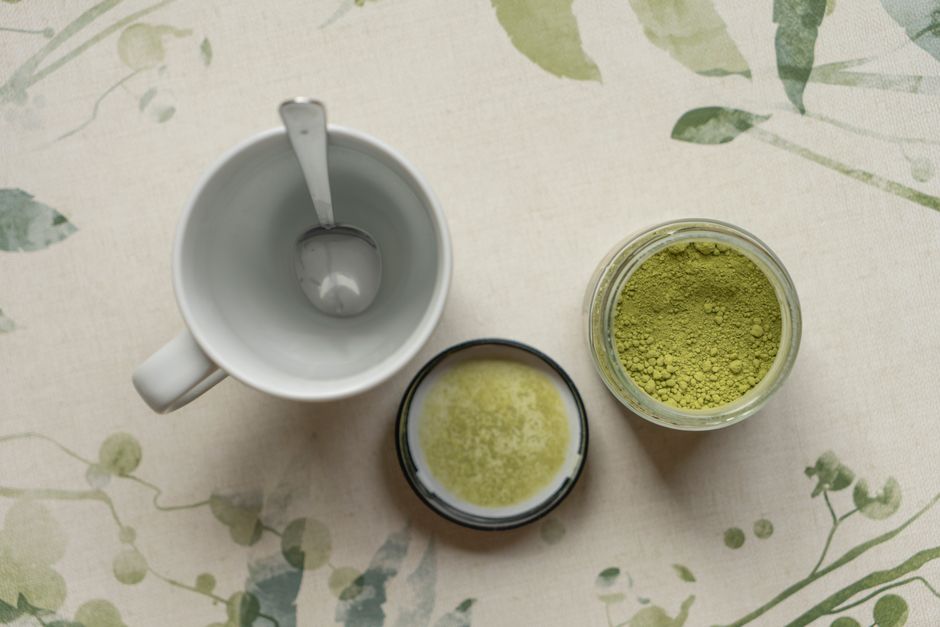
Matcha is a form of green tea, but it is not brewed like regular loose leaf tea. Matcha is made from whole tea leaves ground into a fine powder. You consume the entire leaf rather than just the water extract.
Because you drink the whole leaf, matcha contains more caffeine than steeped green tea. A standard serving of matcha, about half a teaspoon mixed with water, typically contains around 60 to 70 milligrams of caffeine. That is closer to coffee, though still generally below the caffeine content of a full cup of brewed coffee.
Matcha also contains high levels of L-theanine. Many people report that matcha provides steady energy without the crash they get from coffee. The combination of caffeine and L-theanine in matcha is one reason it is popular among people looking for a coffee alternative.
What About Decaffeinated Green Tea?
Decaffeinated green tea exists, but it is not completely caffeine-free. The decaffeination process removes most of the caffeine, typically leaving about 2 to 5 milligrams per cup. That is a very small amount.
For most people, this trace amount is unlikely to cause noticeable effects. However, if you are highly sensitive to caffeine or your doctor has told you to avoid it entirely, even decaf tea may not be appropriate. Check with your healthcare provider if you have concerns.
Does Green Tea Dehydrate You Like Coffee Does?
Both coffee and green tea are mild diuretics. Caffeine can increase urine production. But the effect is temporary and does not lead to dehydration in normal amounts.
Studies have found that moderate caffeine intake does not cause fluid loss that exceeds the fluid you take in. Both coffee and green tea count toward your daily fluid needs. The old advice that caffeinated drinks do not hydrate is not supported by current evidence.
If you drink large amounts of either beverage, you may notice more frequent urination. This is normal and not dangerous for healthy people.
Which One Should You Choose?
Your choice depends on your goals. If you need a strong morning wake-up, coffee is the more effective option. Its higher caffeine content delivers a faster, more noticeable boost.
If you want a milder lift with fewer side effects, green tea is a reasonable choice. The lower caffeine content combined with L-theanine may provide smoother energy. Some people find green tea easier to drink later in the day without disrupting sleep.
Caffeine sensitivity varies widely from person to person. Some people can drink coffee at 8 p.m. and sleep fine. Others feel jittery after a single cup of green tea in the morning. Pay attention to how your body responds.
If you are pregnant, caffeine guidelines are more restrictive. Current recommendations generally advise limiting caffeine intake during pregnancy. Speak with your obstetrician about what is appropriate for your situation.
Does Green Tea Have As Much Caffeine As Coffee in Energy Drinks?
This is a different comparison entirely. Commercial energy drinks often contain added caffeine beyond what naturally occurs in green tea. Some green tea energy drinks list 100 milligrams or more of caffeine per serving, comparable to coffee or higher.
Always read the label. The caffeine content of packaged beverages is listed on the nutrition facts panel. Do not assume a product with green tea in the name has the same caffeine profile as a home-brewed cup.
Green tea extract in supplements is another story. Concentrated extracts can contain significant amounts of caffeine. Some weight loss supplements and pre-workout products contain green tea extract with caffeine levels that rival strong coffee.
Frequently Asked Questions
Is green tea safe to drink every day?
Yes, moderate daily consumption of green tea is safe for most healthy adults. Most guidelines consider up to 3 to 5 cups per day reasonable for most people.
Can green tea keep you awake at night?
Yes, if you are sensitive to caffeine, green tea can interfere with sleep. The caffeine content is lower than coffee, but it is still enough to affect some people, especially if consumed in the evening.
Does adding milk to green tea change the caffeine content?
No, milk does not change the caffeine content of the tea itself. It may slightly slow caffeine absorption, but the total amount of caffeine you consume remains the same.
Which has more caffeine, black tea or green tea?
Black tea generally contains more caffeine than green tea. An 8-ounce cup of black tea typically has 40 to 70 milligrams of caffeine, while green tea has 25 to 40 milligrams.
