
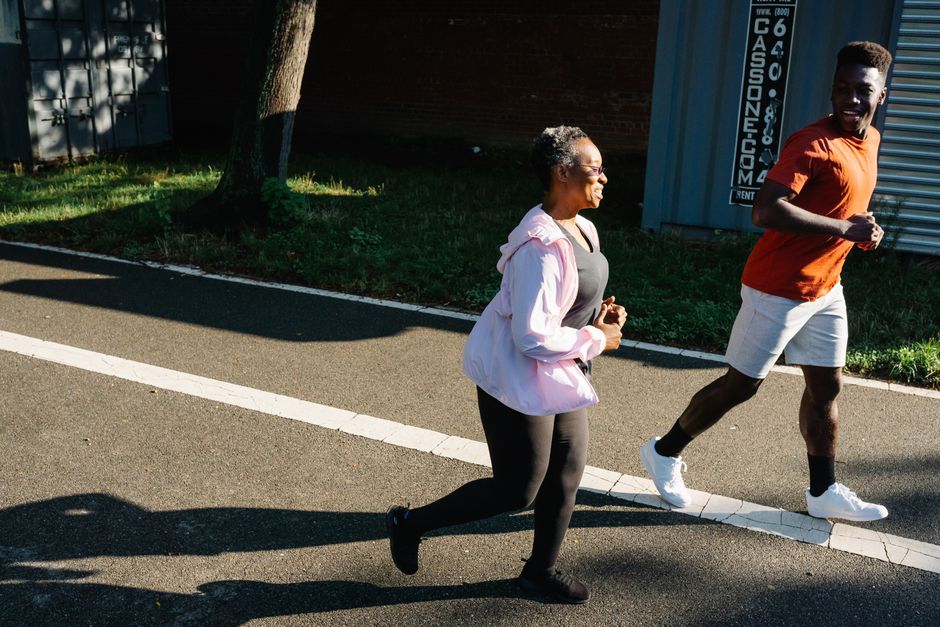
Walking is one of the most accessible forms of exercise, and it can absolutely help you lose weight. But the honest answer to how much you need to walk depends on your diet, your current weight, and how fast you walk. The real numbers: most people need to walk 30 to 60 minutes per day, five days a week, to see meaningful weight loss, and you will likely need to combine that with a calorie deficit to see the scale move.
What Does the Math Say About Walking and Weight Loss?
Weight loss comes down to calories burned versus calories consumed. To lose one pound of body fat, you need a deficit of roughly 3,500 calories. That is the standard estimate used in clinical settings, though individual metabolism varies.
A 160-pound person walking at a brisk pace of 3.5 miles per hour burns about 300 calories per hour. A 200-pound person burns closer to 380 calories per hour at the same pace. These numbers come from established metabolic equations used in exercise physiology.
So if you walk for 45 minutes a day, five days a week, you are burning roughly 1,100 to 1,400 extra calories per week. That translates to about one pound of fat loss every three weeks — if your diet stays exactly the same.
Most people do not lose weight from walking alone because they unconsciously eat back those calories. The most reliable approach is to treat walking as one part of a calorie-controlled plan, not the only strategy.
How Many Steps Per Day Actually Helps You Lose Weight?
The 10,000-steps-per-day goal is widely known, but it was originally a marketing number from a Japanese pedometer company in the 1960s, not a scientific benchmark. Research has since tested this number, and the evidence suggests it is a reasonable target, though not magical.
Studies show that people who increase their daily step count from a sedentary baseline of 3,000 to 4,000 steps up to about 8,000 to 10,000 steps see measurable improvements in weight and cardiovascular health. The exact number that works for you depends on your starting point.
A better way to think about steps is this: if you are currently averaging 4,000 steps a day, adding 3,000 to 4,000 more steps will create a meaningful increase in daily energy expenditure. That extra walking burns roughly 150 to 250 calories per day for most adults.
For weight loss specifically, research consistently shows that step counts above 10,000 per day produce greater fat loss than lower targets. But the difference between 10,000 and 12,000 steps is small. Consistency matters more than hitting an exact number.
What Pace Should You Walk At for Weight Loss?
Pace matters, but not as much as you might think. Brisk walking — defined as about 3 to 4 miles per hour — burns significantly more calories than a casual stroll. At 2 miles per hour, you burn roughly half the calories per mile as you do at 3.5 miles per hour.
Here is a practical guideline: you should be walking fast enough that you can talk, but not sing. That is the standard “moderate intensity” level used in exercise guidelines. Your heart rate should be elevated, and you should feel slightly breathless.
A 150-pound person walking at 3.5 miles per hour burns about 280 calories in 60 minutes. The same person walking at 2.5 miles per hour burns about 170 calories in the same time. The difference adds up over weeks and months.
Interval walking — alternating two minutes of fast walking with two minutes of moderate walking — can increase calorie burn by 10 to 20 percent compared to steady pace. Some research suggests this approach also improves blood sugar control more effectively than steady walking.





How Many Days Per Week Should You Walk?
Consistency is the single most important factor. Walking five days per week for 45 to 60 minutes is a realistic target for most people. That gives you roughly 225 to 300 minutes of moderate exercise per week, which exceeds the minimum physical activity guidelines for adults.
The official physical activity guidelines recommend at least 150 minutes of moderate-intensity aerobic activity per week for general health. For weight loss, more is typically better. Many clinical weight loss programs use 200 to 300 minutes per week as the target for meaningful weight reduction.
Splitting your walking into two 30-minute sessions per day works just as well as one 60-minute session. The total weekly minutes are what matter. If you can only fit in 20 minutes on a busy day, that still counts toward your weekly total.
Rest days are not strictly necessary for walking. Unlike high-impact exercise, walking does not require significant recovery time. If you feel sore or fatigued, take a day off. Otherwise, daily walking is generally safe for healthy adults.
Does Walking Burn Belly Fat Specifically?
No exercise targets belly fat specifically. When you lose weight through a calorie deficit, your body decides where fat comes off first. Genetics play a large role in that pattern.
That said, walking does reduce visceral fat — the dangerous fat stored deep in the abdomen around your organs. Research has found that consistent aerobic exercise, including walking, reduces visceral fat even when total body weight changes are modest.
Visceral fat is more metabolically active than subcutaneous fat, which is the fat just under your skin. It is linked to higher risks of heart disease, type 2 diabetes, and other metabolic conditions. Reducing it through regular walking has real health benefits beyond the scale.
How Long Before You See Results From Walking?
Most people notice changes in how their clothes fit within two to four weeks of consistent walking combined with a modest calorie reduction. Scale changes typically appear in the same timeframe, though water retention can mask early fat loss.
If you are walking without changing your diet, expect slower results. A 300-calorie daily walking habit alone produces about one pound of weight loss every 12 days. That is roughly two to three pounds per month.
Adding a 300-calorie daily reduction in food intake doubles that rate. This is why diet and exercise together consistently outperform exercise alone in weight loss studies.
Be patient with plateaus. Weight loss often stalls for a week or two even when you are doing everything right. This is normal and does not mean walking has stopped working.
What Else Affects How Much Weight You Lose From Walking?
Your starting weight significantly affects calorie burn. Heavier individuals burn more calories walking the same distance as lighter individuals because moving more mass requires more energy. This means heavier people often see faster initial weight loss from walking.
Age also matters. Muscle mass naturally decreases with age, which lowers resting metabolic rate. This is not a reason to avoid walking — it is a reason to add strength training alongside it.
Resistance training twice per week preserves muscle mass during weight loss. Muscle tissue burns more calories at rest than fat tissue. Combining walking with basic strength exercises gives you better long-term results than walking alone.
Your diet is the biggest variable. Walking burns 200 to 400 calories per session. A single fast food meal can easily contain 1,000 to 1,500 calories. No amount of walking compensates for a consistently high-calorie diet.
Frequently Asked Questions
How much should I walk per day to lose weight?
Walking 45 to 60 minutes per day, five days per week, is a realistic target for weight loss. This burns roughly 1,200 to 1,800 calories per week depending on your weight and pace.
Is walking 30 minutes a day enough to lose weight?
Yes, but results will be slow — about one pound every two to three weeks if your diet stays the same. Combining 30 minutes of daily walking with a 300-calorie daily food reduction produces more noticeable results.
How many steps a day for weight loss?
Most research points to 8,000 to 10,000 steps per day as an effective target for weight loss. If you are starting from a sedentary baseline, even increasing to 6,000 steps daily will create measurable benefits.
Can I lose belly fat by walking?
Walking reduces visceral belly fat, but you cannot choose where fat loss occurs. Consistent walking combined with a calorie deficit will reduce overall body fat, including abdominal fat.
