
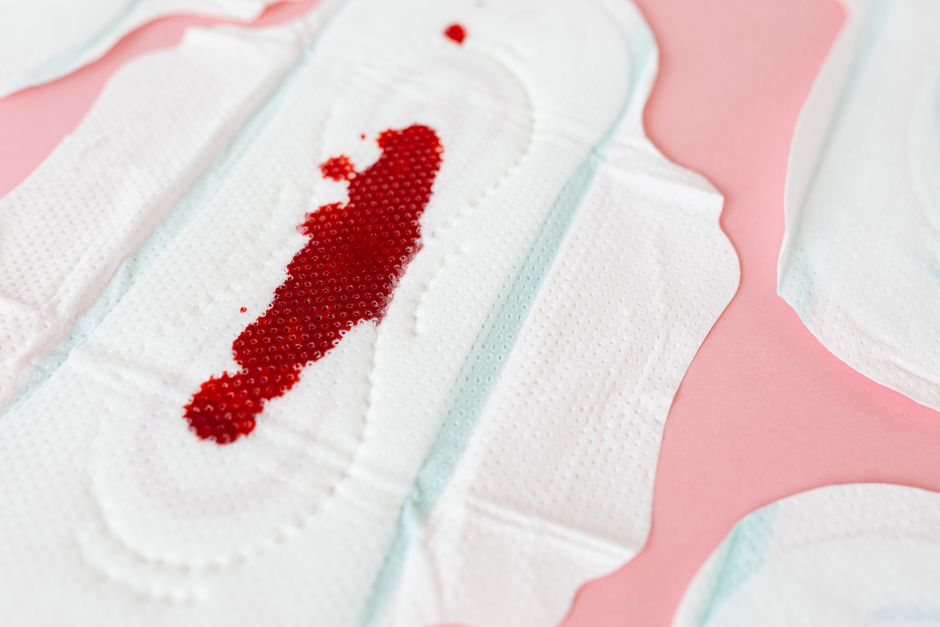
Your body holds roughly 1.2 to 1.5 gallons of blood if you’re an average adult. That works out to about 4.5 to 5.5 liters, or around 7 to 8 percent of your total body weight. The exact amount depends mostly on your size — a bigger body holds more blood — and the relationship is close to linear, which is why clinicians often estimate blood volume from body weight rather than trying to measure it directly.
Blood volume matters in real situations. It shapes how much blood can be safely donated, how trauma teams estimate blood loss, and why a small child can become dangerously depleted from an injury that an adult would tolerate. Here’s how the numbers work, and where the common estimates come from.
How Much Blood In Your Body? The Core Numbers
Adult blood volume is generally estimated at about 70 milliliters per kilogram of body weight. For a 70 kg (154 lb) adult, that comes to roughly 4.9 liters — right in the middle of the 4.5 to 5.5 liter range.
This figure is an estimate, not a fixed constant. Body composition shifts it. Adipose tissue — fat — holds less blood per kilogram than lean tissue, so two people of identical weight can have somewhat different blood volumes if their body composition differs. Athletes with more muscle mass tend to sit toward the higher end of the range for their weight.
Sex also plays a role. On average, adult men have slightly higher blood volume than adult women of the same weight, largely because of differences in average body size and lean mass. The overlap between the two groups is large, though, so the range matters more than the sex category for any one person.
These figures are estimates based on population averages. Nobody routinely measures blood volume in a healthy person, and the formulas clinicians use are approximations, not precise readings.
How Does Blood Volume Change From Birth to Adulthood?
Blood volume relative to body weight is highest in newborns and falls as you grow. A newborn’s blood volume is proportionally much larger than an adult’s — roughly 80 to 90 milliliters per kilogram in a term infant, compared with about 70 mL/kg in adults. That difference is one reason pediatric dosing and fluid management are handled so carefully.
As children grow, the ratio gradually declines toward the adult figure. By adolescence, blood volume per kilogram of body weight is close to adult levels.
This has a practical consequence that surprises many people. A newborn weighing around 3.5 kg holds only about 250 to 300 mL of blood in total — less than a standard can of soda. A small amount of blood loss that would be trivial in an adult can be significant in an infant. This is why clinicians treat bleeding in very young children with particular caution.
How Much Blood Can You Safely Donate?
A standard whole blood donation in the United States is about 1 pint, or roughly 450 to 500 milliliters. That’s around 10 percent of an average adult’s total blood volume.
The body replaces the fluid portion of donated blood — the plasma — within about 24 to 48 hours, which is why donors are asked to drink extra fluids. Red blood cells take longer to regenerate. It typically takes several weeks for red cell counts to return to pre-donation levels, which is why whole blood donation is generally limited to roughly every 8 weeks for eligible donors.
Donation eligibility depends on weight and health status, among other factors. Blood centers set minimum weight requirements — commonly around 110 pounds (50 kg) for standard whole blood donation — because a smaller person donating a fixed volume loses a larger fraction of their total blood. Donors who fall below weight thresholds may still be eligible for other donation types or under specific center protocols, so the individual blood center’s criteria are the ones that apply.





How Do Clinicians Estimate Blood Loss?
In trauma and surgery, estimating blood loss accurately matters for deciding when to transfuse. Clinicians don’t measure it directly in most emergency situations. Instead they use signs and symptoms, alongside estimates from visible bleeding and imaging.
One widely taught framework classifies hemorrhage by severity. In the earliest stage, a person may look relatively normal — heart rate and blood pressure can stay near normal even after meaningful blood loss, because the body compensates by constricting blood vessels and shifting fluid. As loss increases, heart rate rises, blood pressure can fall, and mental status may change. These are general patterns, not precise thresholds, and individual responses vary, especially in children, older adults, and people taking certain medications.
The key point: early blood loss can be deceptive. A person who appears stable may still be losing volume internally. This is why emergency evaluation after significant trauma doesn’t rely on appearance alone.
What Happens When Blood Volume Drops?
Blood volume and blood pressure are tightly linked. When volume falls — from bleeding, severe dehydration, or other causes — the body works to maintain blood pressure to keep organs perfused.
The first response is compensation. Blood vessels narrow. Heart rate increases. Fluid shifts from surrounding tissues into the bloodstream. These mechanisms can keep a person functioning normally for a while even as volume drops.
When compensation fails, the result is a form of shock — a state where organs aren’t getting enough blood flow. This is a medical emergency. Signs can include a rapid heart rate, low blood pressure, cool or clammy skin, confusion, and reduced urine output. These signs don’t always appear early, and they can be subtle in older adults.
Dehydration alone rarely causes true shock in a healthy adult, but severe fluid loss from illness, heat, or prolonged vomiting and diarrhea can become serious, particularly in young children and older adults. Anyone showing signs of confusion, fainting, or very low urine output after significant fluid loss should be evaluated urgently.
Does Blood Volume Change With Age or Pregnancy?
Blood volume stays relatively stable through most of adult life. Some research suggests it may decline modestly with advanced age, but the change is generally small compared with the effect of body size.
Pregnancy is a clear exception. Blood volume increases substantially during pregnancy — by roughly 40 to 50 percent by the third trimester in a typical pregnancy. This is a normal physiological adaptation that supports the growing fetus and prepares the body for blood loss at delivery. It also means that a pregnant person’s blood volume is well above the standard adult estimate, which is one reason laboratory reference ranges differ during pregnancy.
This increase is why some pregnant people notice symptoms like mild swelling or a slightly lower hematocrit — the proportion of blood made up of red cells — because plasma volume rises faster than red cell mass. Clinicians account for this when interpreting blood tests during pregnancy.
What Is Blood Made Of?
Blood volume is mostly liquid. Plasma makes up about 55 percent of blood, and it’s roughly 90 percent water, with proteins, electrolytes, hormones, and nutrients dissolved in it. The remaining 45 percent or so is made up of cells.
Red blood cells are the most numerous — they carry oxygen. White blood cells are far fewer and are part of the immune system. Platelets are cell fragments involved in clotting. The proportions can shift with health, hydration, and disease, but the general split between plasma and cells is a stable feature of whole blood.
That composition is why hydration affects how blood behaves in the body without changing the actual number of cells. Drinking a lot of water can temporarily dilute the plasma, while dehydration concentrates it. Neither changes your total blood volume dramatically in a healthy person, but both can affect lab results.
Why the Exact Number Matters Less Than the Range
People often want a single number, but blood volume is a range, not a fixed quantity. For most healthy adults, 4.5 to 5.5 liters is the honest answer. A larger person sits higher; a smaller person sits lower. The 70 mL/kg estimate gives a reasonable working figure.
What matters clinically is the relationship between blood volume and blood loss, not the absolute number. A 10 percent loss is generally well tolerated by a healthy adult. A much larger loss — particularly rapid loss — can overwhelm the body’s ability to compensate. That’s why the same injury can be minor for one person and life-threatening for another.
If you’re curious about your own blood volume, you can estimate it from your body weight using the 70 mL/kg figure. It won’t be exact, but it will land you in the right range. For anything involving actual blood loss, medical decisions, or donation eligibility, the people who can measure and assess you are the ones who matter.
Frequently Asked Questions
How many pints of blood are in the human body?
An average adult has roughly 9 to 12 pints of blood, which corresponds to about 4.5 to 5.5 liters. Larger adults sit toward the higher end of that range.
How much blood can you lose before it’s dangerous?
Losing about 10 percent of blood volume is generally well tolerated by a healthy adult, but larger losses — especially rapid ones — can cause serious problems. A loss of roughly 30 percent or more can lead to shock and requires emergency care.
Does body weight determine how much blood you have?
Yes, body weight is the main factor, and clinicians typically estimate blood volume at about 70 mL per kilogram of body weight. Body composition and sex can shift the estimate somewhat.
How much blood does a pregnant woman have?
Blood volume increases by roughly 40 to 50 percent by the third trimester, which is a normal adaptation to support the pregnancy. This is why laboratory reference ranges differ during pregnancy.
