
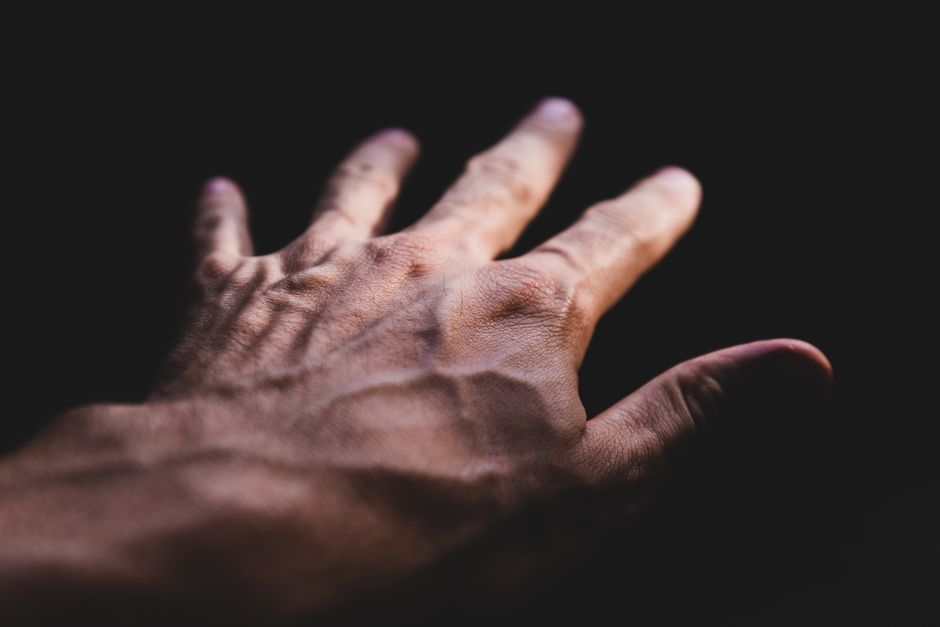
The human body contains roughly 60,000 miles of blood vessels, and veins make up a large portion of that network. While there is no single exact count of veins, anatomists generally agree that an adult has between 60 and 100 major named veins, with thousands of smaller branches and venules connecting them. The total number depends on how you define a “vein” versus a capillary or venule, but the functional answer is that your venous system is a vast, interconnected highway designed to return blood to your heart.
How Many Veins Are In The Human Body?
There is no universally accepted number of veins in the human body. Medical textbooks typically list around 60 to 100 named veins that are large enough to have standard anatomical names. Beyond those, the body contains thousands of unnamed smaller veins and venules, which are the smallest veins that connect capillaries to larger veins.
The reason a precise count is impossible is that blood vessel networks vary slightly from person to person. Some people have extra branches, while others have veins that merge earlier or later than average. What remains consistent is the total length of the venous system, which accounts for a significant portion of the body’s overall vascular length.
What Exactly Counts As A Vein?
Veins are blood vessels that carry blood toward the heart. They have thinner walls and lower pressure than arteries, and most veins contain one-way valves that prevent blood from flowing backward.
To understand the count, you need to know the hierarchy of the venous system:
- Venules are the smallest veins, collecting blood from capillaries. They are microscopic and number in the tens of thousands.
- Small veins form when venules merge. These have no standard names and are too numerous to count.
- Major named veins are the large vessels that anatomists study and name, such as the superior vena cava, the jugular veins, and the femoral veins. These number roughly 60 to 100.
When someone asks how many veins are in the human body, they usually mean the named veins. But the smaller, unnamed vessels are far more numerous and functionally essential.
Why The Exact Number Does Not Matter Clinically
Doctors do not need an exact vein count to treat patients. What matters is understanding the major pathways and knowing where the common variations occur.
For example, the great saphenous vein runs from the foot up the inner leg to the groin and is the longest vein in the body. It is also a common site for varicose veins and is frequently used in coronary artery bypass grafting. Knowing its path matters far more than knowing how many small branches it has.
The venous system is also highly redundant. If one vein is damaged or removed, blood often reroutes through nearby vessels. This redundancy is why surgeons can safely harvest veins for bypass procedures without causing long-term circulation problems in the donor area.




The Venous System Explained Simply
Your circulatory system has two main loops. The pulmonary loop sends blood from the heart to the lungs to pick up oxygen. The systemic loop sends oxygen-rich blood from the heart to the rest of the body.
Veins are the return half of both loops. After arteries deliver oxygen to tissues, capillaries allow gas and nutrient exchange. The blood then moves into venules, which merge into veins, which carry the blood back to the heart.
Because veins operate under low pressure, they rely on several mechanisms to move blood upward against gravity:
- One-way valves inside the veins prevent backflow.
- Skeletal muscle contractions in the legs squeeze veins and push blood upward. This is why walking helps circulation.
- Breathing creates pressure changes in the chest that help draw blood toward the heart.
When these mechanisms fail, blood pools in the veins. This is what causes varicose veins, which are swollen, twisted veins that most often appear in the legs.
How Many Veins Are In The Human Body Compared To Arteries?
The venous system is larger in volume than the arterial system. At any given moment, about 60 to 65 percent of your blood is in your veins. Arteries hold roughly 10 to 15 percent, and capillaries hold about 5 percent. The rest is in the heart and lungs.
Veins also outnumber arteries in terms of named vessels. The arterial system has around 40 to 50 major named arteries, while the venous system has more named veins. This is partly because veins often run in pairs alongside a single artery, such as the deep veins of the arms and legs.
The walls of veins are thinner and more distensible than arterial walls. This allows veins to hold more blood at lower pressure. It also means veins can swell significantly when blood volume increases, which is why veins are the body’s primary blood reservoir.
Common Myths About Vein Counts
One widespread myth is that the body has exactly 100,000 miles of blood vessels, with veins making up a fixed portion. The 60,000-mile figure is an estimate, not a measured value. It comes from extrapolating the total length of all vessels, including microscopic capillaries, which cannot be individually counted in a living person.
Another myth is that you have more veins than arteries because veins are smaller. In reality, veins are generally larger in diameter than corresponding arteries. The venous system holds more blood because veins are more numerous in the small vessel range and because they are more distensible.
Some marketing claims suggest that detoxifying your veins or “cleaning” them improves health. No clinical evidence supports this. Your liver and kidneys filter blood continuously. Veins do not accumulate toxins that need flushing.
When Vein Problems Matter
Most people do not think about their veins until something goes wrong. The most common vein problems include:
- Varicose veins, which affect about 23 percent of adults in the United States. They are usually cosmetic but can cause aching, swelling, and heaviness.
- Chronic venous insufficiency, a condition where vein valves fail and blood pools in the legs. This can lead to skin changes and ulcers if untreated.
- Deep vein thrombosis (DVT), a blood clot in a deep vein, most often in the leg. DVT is a medical emergency because the clot can travel to the lungs and cause a pulmonary embolism.
If you have persistent leg swelling, pain, or visible bulging veins, see a healthcare provider. These symptoms warrant evaluation rather than self-diagnosis.
What Determines How Many Veins You Have?
Genetics play the largest role in your venous anatomy. The basic blueprint is the same for everyone, but small variations in branching patterns are common and normal.
Age also matters. Veins lose elasticity over time, and valve function can decline. This is why varicose veins become more common with age. Pregnancy increases blood volume and pressure on leg veins, which is why many women develop varicose veins during or after pregnancy.
Body size does not change the number of veins, but it changes their visibility. People with less body fat often have more visible veins, even though their actual vein count is no different from someone with more body fat.
Frequently Asked Questions
How many veins are in the human body?
Anatomists identify roughly 60 to 100 major named veins, with thousands of smaller unnamed veins and venules. The exact number depends on how you classify a vein versus a venule.
Are there more veins than arteries in the body?
Yes, the venous system has more named vessels than the arterial system. Veins also hold about 60 to 65 percent of the body’s total blood volume.
What is the longest vein in the human body?
The great saphenous vein is the longest vein, running from the top of the foot up the inner leg to the groin. It is commonly used in heart bypass surgery.
Can you live without some of your veins?
Yes, surgeons routinely remove veins for bypass procedures without causing long-term problems. The venous system has enough redundancy that blood reroutes through nearby vessels.
