
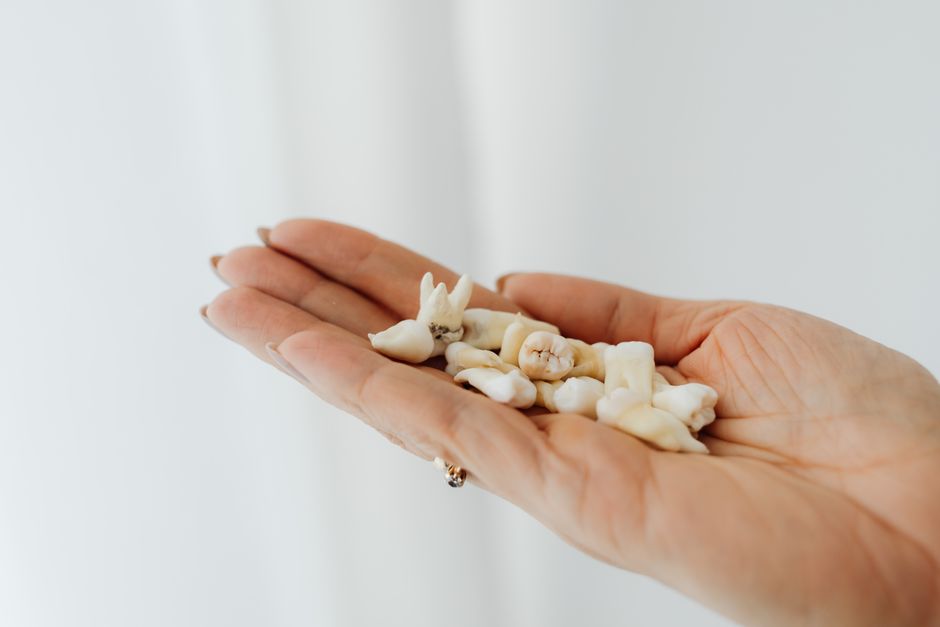
Most adults have 32 teeth. That includes four wisdom teeth, which many people have removed. Children have a different number because their mouths go through two separate sets of teeth during growth.
Knowing how many teeth you have — and what each type does — helps you understand your dental health. It also explains why some people end up with fewer teeth than the standard count.
How Many Teeth Do You Have In Your Mouth?
A full adult set contains 32 teeth. That number breaks down into eight incisors, four canines, eight premolars, eight molars, and four wisdom teeth.
Children have 20 teeth, often called baby teeth or primary teeth. These start appearing around 6 months of age and are usually all in place by age 3.
The transition from baby teeth to adult teeth happens gradually. Between ages 6 and 12, children lose their primary teeth and permanent teeth emerge in their place. Wisdom teeth typically appear much later, usually between ages 17 and 25, though not everyone develops them.
It is worth knowing that 32 is the maximum number for a complete adult set. Many adults have fewer because of extractions, missing wisdom teeth, or other reasons.
What Are The Different Types Of Teeth And What Do They Do?
Each type of tooth has a specific shape and job. The shape determines how it handles food.
- Incisors — The eight front teeth, four on top and four on the bottom. They cut and slice food.
- Canines — The four pointed teeth next to the incisors. They tear and grip food.
- Premolars — The eight teeth behind the canines. They crush and grind food.
- Molars — The eight larger teeth at the back. They grind food into smaller pieces for swallowing.
- Wisdom teeth — The four final molars at the very back of the mouth. They are the last to emerge.
Incisors and canines handle the front-end work of biting. Premolars and molars do the heavy grinding. This division of labor is why losing certain teeth affects chewing more than others.
When Do Baby Teeth And Adult Teeth Come In?
The timing of tooth emergence follows a fairly predictable pattern, though individual variation is normal.
Baby teeth usually begin erupting around 6 months. The lower front teeth typically arrive first. By age 3, most children have all 20 primary teeth.
Permanent teeth start replacing baby teeth around age 6. The first permanent molars often come in behind the baby teeth before any baby teeth are lost. This is a common point of confusion for parents — those new back teeth are not replacements, they are additions.
By age 12 or 13, most children have lost all their baby teeth and have 28 permanent teeth. The remaining four — wisdom teeth — arrive later or not at all.





Why Do Some Adults Have Fewer Than 32 Teeth?
Having fewer than 32 teeth is common and usually not a health concern on its own. Several factors explain the difference.
Wisdom teeth are the most frequent reason. Many people never develop all four. Others have them removed because they are impacted, cause pain, or risk damaging nearby teeth. Research indicates that wisdom tooth removal is one of the most common surgical procedures in the United States.
Other reasons for missing teeth include:
- Dental decay severe enough to require extraction
- Gum disease that loosens teeth
- Orthodontic treatment that removes teeth to create space
- Congenitally missing teeth — a condition where teeth simply never form
- Trauma or injury
Congenitally missing teeth are more common than many people realize. The third molars and second premolars are the teeth most often absent from birth.
The number of teeth a person has does not automatically determine chewing ability or health. What matters more is how the remaining teeth function together and whether they are maintained.
Does The Number Of Teeth Affect Your Health?
Tooth loss is associated with several health outcomes, though the relationship is complex. Having fewer teeth can affect nutrition because chewing becomes harder. This may lead people to avoid certain foods like raw vegetables, nuts, and tough meats.
Some research has found associations between tooth loss and conditions like cardiovascular disease and cognitive decline. These are associations, not proof of cause and effect. It is not clear whether tooth loss contributes to these conditions, whether underlying inflammation links both, or whether other factors are involved.
What is well established is that maintaining healthy teeth and gums supports overall health. Regular dental care, brushing twice daily, and cleaning between teeth are standard recommendations from dental professionals.
If you have missing teeth, replacement options like implants, bridges, or dentures can restore chewing function. A dentist can help determine which option fits your situation.
How Many Teeth Should You Have At Different Ages?
The expected number of teeth changes with age. This table shows the typical range.
| Age Range | Typical Number of Teeth |
|---|---|
| 6 months to 3 years | Up to 20 primary teeth |
| 6 to 12 years | Mixed — both primary and permanent |
| 12 to 17 years | 28 permanent teeth (wisdom teeth not yet in) |
| 17 to 25 years | Up to 32 with wisdom teeth |
| Adults (varies) | 28 to 32 depending on wisdom teeth |
These ranges are typical, not universal. Some children get teeth earlier or later. Some adults keep all 32 teeth their whole lives. Others have fewer due to extractions or natural variation.
A dentist can tell you exactly how many teeth you have and whether any are missing or impacted.
What About Wisdom Teeth — Do You Need Them?
Wisdom teeth are not necessary for healthy chewing. They are evolutionary remnants from when human diets included more rough, tough foods that required extra grinding power.
Not everyone develops wisdom teeth. Some people have all four, some have one or two, and some have none. When they do emerge, they can cause problems if there is not enough room in the mouth.
Impacted wisdom teeth — those that cannot fully emerge — can lead to pain, infection, and damage to adjacent teeth. Dental professionals often recommend removal in these cases. Not all wisdom teeth need to be removed, however. If they are healthy, fully erupted, and positioned correctly, they can stay.
The decision to remove wisdom teeth is typically based on individual assessment. A dentist or oral surgeon evaluates position, symptoms, and risk of future problems.
Does Everyone Have The Same Number Of Teeth?
No. While 32 is the standard adult maximum, the actual number varies widely.
Some people are born with extra teeth, a condition called hyperdontia. This is less common than missing teeth but does occur. Others are born without certain teeth due to genetics or developmental factors.
The key point is that there is no single “correct” number that applies to every person. What matters is whether your teeth are functional, healthy, and free of disease.
Frequently Asked Questions
How many teeth do adults have?
A full adult set contains 32 teeth, including four wisdom teeth. Many adults have 28 or fewer because of extractions or missing wisdom teeth.
How many teeth do children have?
Children have 20 primary teeth, also called baby teeth. These usually all emerge by age 3 and are gradually replaced by permanent teeth starting around age 6.
Is it normal to have fewer than 32 teeth?
Yes, it is common. Wisdom teeth may never develop or may be removed, and other teeth can be lost to decay, gum disease, or other causes.
Do you need wisdom teeth?
No, wisdom teeth are not required for chewing or health. Many people function well without them, and removal is common when they cause problems.
