
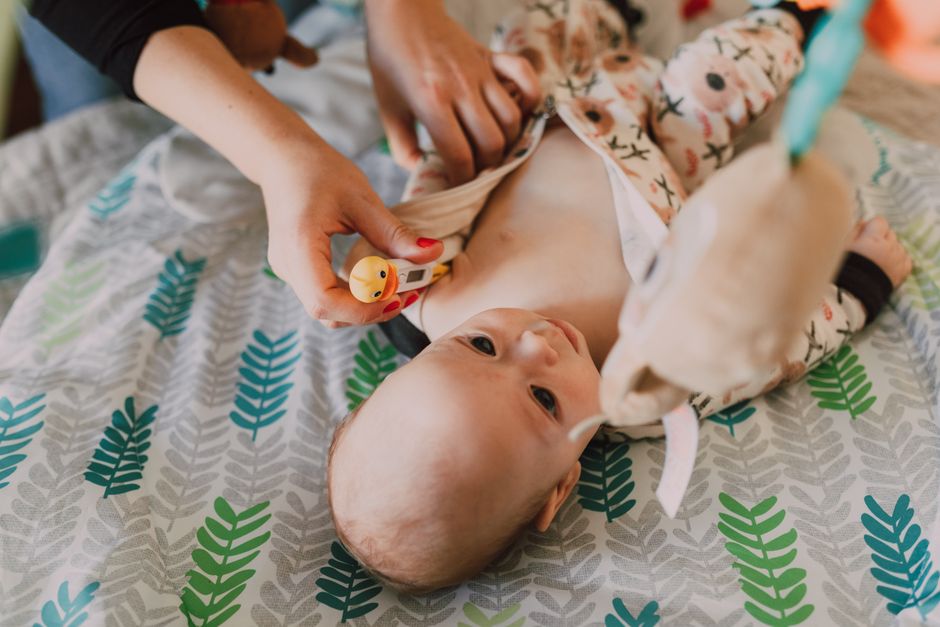
New parents often wonder how many onesies to buy before their baby arrives. The practical answer is that you need about 7 to 10 newborn-sized onesies for the first month. This number covers daily changes without forcing you to do laundry every single day. Babies go through multiple outfit changes daily, so having a solid baseline prevents stressful mid-night searches for clean clothes.
Why Newborns Go Through So Many Onesies
Newborns are messy by design. They spit up after feedings, leak through diapers, and drool during sleep. A single day can easily produce three to five outfit changes. Some days are worse. Colicky evenings or a stomach bug can double that number.
Onesies are the workhorse of newborn clothing because they are simple. One piece covers the torso, snaps at the bottom, and keeps the diaper area accessible. They do not bunch up like separate shirts and pants. They keep the baby warm without overheating when layered properly.
Your laundry schedule matters more than any chart. If you run a load every day, fewer onesies work fine. If laundry happens twice a week, you need more. Storage space and access to a washer also factor into the final count.
How Many Onesies Do You Actually Need
Start with 7 to 10 newborn-size onesies. This covers roughly two days of heavy messes plus a buffer for unexpected blowouts. Add 3 to 5 more if you do laundry only once or twice per week. Families who prefer daily laundry can comfortably manage with 6 to 8.
Do not buy everything in newborn size. Most babies outgrow newborn clothing within the first month. Some babies skip newborn size entirely and start in 0-3 months. A baby born at 9 pounds may never wear a single newborn onesie. Keep tags on unwashed items so you can exchange them if needed.
Consider your climate and home temperature. A summer baby in a warm house needs lightweight short-sleeve onesies. A winter baby needs long sleeves and possibly layering pieces. The count stays similar, but the fabric weight changes.
Newborn Size vs. 0-3 Months
Newborn size fits babies roughly 5 to 8 pounds. The 0-3 month size fits about 8 to 12 pounds. These ranges vary by brand. Some brands run small, making their 0-3 month fit like another brand’s newborn size.
Many parents find that buying mostly 0-3 month onesies is more practical. Babies grow quickly, and 0-3 months offers more wearing time. The downside is a baggy fit on a small newborn. Loose fabric can feel uncomfortable and may ride up during sleep.
A balanced approach works best. Buy 4 to 6 newborn onesies and 8 to 10 in 0-3 months. This gives you immediate coverage plus a ready supply as the baby grows. If your baby arrives small, you have enough newborn clothes. If your baby arrives large, you have the next size ready.




Types of Onesies and What Each Is For
Short-sleeve onesies are the most versatile. They work alone in warm weather and layer under sleepers or sweaters in cool weather. Long-sleeve onesies add warmth without extra layers. Both are essential depending on season.
Snap-front onesies are easier to put on a wiggly baby than pull-over styles. They also avoid pulling fabric over the baby’s head, which many newborns dislike. Side-snap or envelope-neck styles are designed for the first weeks when the umbilical cord stump is still healing.
Zipper onesies are convenient for nighttime changes. They open from the bottom, letting you change a diaper without fully undressing the baby. Some parents prefer these for overnight use and save snap styles for daytime.
| Type | Best Use | Recommended Count |
|---|---|---|
| Short-sleeve snap onesies | Daytime, warm weather, layering | 4-6 |
| Long-sleeve snap onesies | Cool weather, layering | 3-4 |
| Zipper onesies | Nighttime changes | 2-3 |
| Side-snap or envelope-neck | First weeks, umbilical stump care | 2-3 |
How Many Newborn Onesies Do You Need If You Have Twins
Twin parents need roughly double the clothing, but not exactly double. Babies often spit up at similar times, and laundry loads fill up faster. Plan for 14 to 18 newborn onesies if you have twins. This gives each baby the same 7 to 9 pieces without forcing daily washing.
Buy different colors or patterns for each twin. This prevents mix-ups when sorting laundry and helps you track which baby wore what. Some parents also find that labeling onesies with initials helps daycare providers and family members keep things straight.
How Many Onesies for Premature Babies
Premature babies need specialized sizing. Preemie onesies fit babies under 5 pounds and are often hard to find in regular stores. If your baby arrives early, you may need to order preemie sizes online or from specialty retailers.
Start with 5 to 7 preemie onesies. Premature babies often spend time in the NICU, where hospital gowns are used instead of personal clothing. Once home, the same 7 to 10 count applies, just in preemie size. Keep in mind that preemie babies may need more layers to stay warm, so long-sleeve options matter.
Practical Tips for Buying Newborn Onesies
Buy onesies that are easy to clean. White or light colors show stains but can be bleached. Dark colors hide stains but may fade. Patterns disguise spit-up marks better than solids.
Check the fabric content. Cotton is breathable and soft. Organic cotton costs more but avoids pesticide residues. Avoid anything with rough seams or tight necklines that could irritate sensitive skin.
Do not wash onesies in scented detergent or fabric softener. Newborn skin is sensitive, and fragrances can cause rashes. Use a mild, fragrance-free detergent for at least the first few months.
Buy onesies that snap at the crotch. This design keeps the shirt from riding up and makes diaper changes faster. Avoid pull-over styles for daily use, especially before the baby gains head control.
Keep a few onesies in the diaper bag. A spare outfit for the baby and a spare shirt for you can save a trip home after a blowout. Rotate these spares with freshly washed onesies so they stay clean and ready.
When to Stop Buying Newborn Onesies
Stop buying newborn size around week two or three. By then, you know your baby’s growth pattern and how quickly they are moving through sizes. Most babies transition to 0-3 months between weeks three and six.
Watch for signs that onesies are too small. Tight armholes, red marks on the skin, or difficulty snapping the crotch mean it is time to size up. A onesie that rides up constantly or leaves the belly exposed is also too small.
Do not feel pressured to use every onesie you received at a baby shower. If your baby outgrows newborn size before wearing everything, donate the unused items or pass them along. Many parents find that 20 to 30 percent of their newborn clothing goes unused.
Frequently Asked Questions
How many newborn onesies should I buy before birth?
Buy 7 to 10 newborn onesies to start. This covers daily changes without daily laundry.
Do babies really need newborn size or can I skip it?
Many babies wear newborn size for only a few weeks, and some skip it entirely. Buy a small amount and keep tags on unwashed items so you can exchange them.
How many onesies does a newborn need per day?
Most newborns need 3 to 5 onesies per day. Spit-up, diaper leaks, and drool all contribute to frequent changes.
Should I buy more onesies or more sleepers?
Onesies are better for daytime and layering, while sleepers work well for nighttime. A balanced wardrobe includes both, with more onesies for daily use.
Newborn clothing needs are simpler than most parenting books suggest. Start with 7 to 10 onesies, add a few extras if laundry is infrequent, and keep the next size ready. You can always buy more. You cannot return a baby who outgrew their wardrobe before wearing it.
