
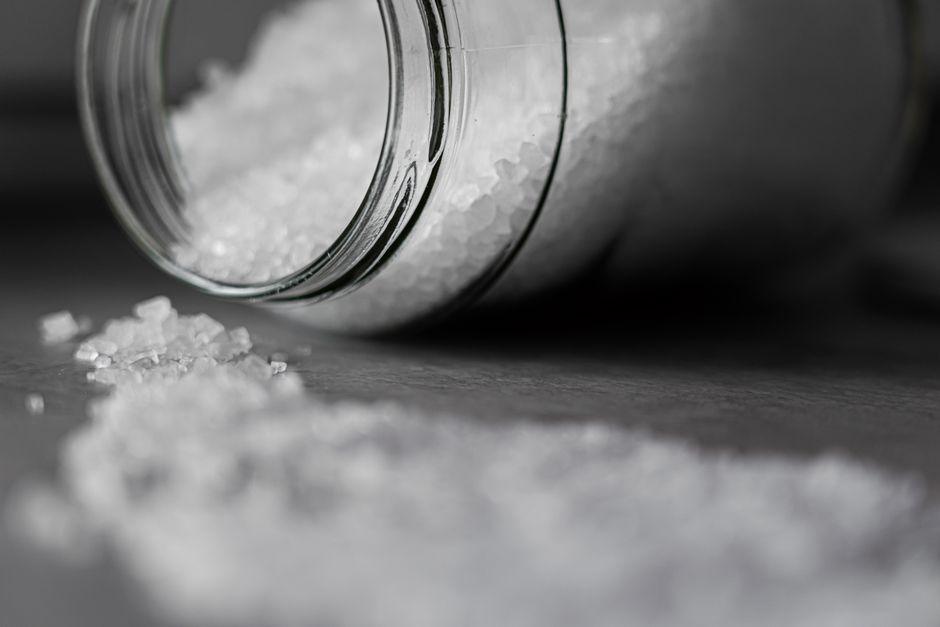
The number most adults hear is 2,300 milligrams of sodium per day. That is the upper limit set by federal dietary guidelines. It equals about one teaspoon of table salt. But for many people, the safer target is lower — 1,500 mg or less. The right number for you depends on your age, blood pressure, and existing health conditions.
What Is the Official Daily Sodium Limit?
The Dietary Guidelines for Americans set 2,300 mg per day as the maximum for most adults. This is not a goal. It is a ceiling. Most Americans exceed it by a wide margin.
Average sodium intake in the U.S. is around 3,400 mg per day. That is roughly 50 percent above the recommended limit. The gap between what people eat and what experts recommend is large and consistent across age groups.
For certain groups, the recommended limit drops to 1,500 mg. This includes people with high blood pressure, diabetes, or chronic kidney disease. It also includes adults aged 51 and older, and Black adults of any age. These groups are more sensitive to sodium’s effect on blood pressure.
Why Does Sodium Matter for Blood Pressure?
Sodium attracts water. When you eat more sodium, your body holds onto more fluid. This increases the volume of blood in your arteries. Higher blood volume means higher pressure against artery walls.
Over time, this sustained pressure damages blood vessels. The heart works harder to pump. Kidneys strain to filter. This chain of events raises the risk of heart attack, stroke, and kidney disease.
Not everyone responds to sodium the same way. Some people are “salt sensitive” — their blood pressure rises noticeably with higher intake. Others are less affected. But because you cannot easily know which group you fall into, the guidelines apply the same limit to everyone.
Reducing sodium does lower blood pressure in most people. Research consistently shows that cutting intake by roughly 1,000 mg per day produces a measurable drop in blood pressure, especially in people who already have hypertension.
How Much Sodium Do You Actually Need?
The body needs sodium to function. It helps transmit nerve signals, contract muscles, and maintain fluid balance. But the amount required for these basic functions is far lower than what most people eat.
The minimum amount needed to maintain normal body function is generally estimated at 500 mg per day. This is not a recommendation. It is a floor below which deficiency becomes a real risk. Between that floor and the 2,300 mg ceiling lies a wide range.
Most health organizations agree that somewhere between 1,500 and 2,300 mg is a reasonable daily target for most adults. Athletes who sweat heavily may need more. People with certain medical conditions may need less. The right amount depends on individual circumstances.


Where Does Most Sodium Actually Come From?
Most people assume salty snacks are the main problem. They are not. About 70 percent of dietary sodium comes from processed and restaurant foods. You are not sprinkling it on at the table — it is already inside the food before it reaches your kitchen.
Breads and rolls are a top source. So are cold cuts, cured meats, pizza, poultry dishes, soups, and sandwiches. A single restaurant meal can contain more than a full day’s worth of sodium. Even foods that do not taste salty, like certain breads and breakfast cereals, can be high in sodium.
This is why simply putting away the salt shaker has limited effect. The sodium is already baked into the food supply. Reading nutrition labels becomes essential. A food is considered low in sodium if it has 140 mg or less per serving. High sodium means 400 mg or more per serving.
What Are the Health Risks of Too Much Sodium?
High blood pressure is the most direct consequence. But it is not the only one.
Excess sodium increases the risk of stomach cancer. Some research suggests a link between high salt intake and damage to the stomach lining, though the exact mechanism is still being studied. The evidence is strong enough that the World Health Organization identifies excess sodium as a risk factor for gastric cancer.
Kidney stones become more likely with high sodium intake. The kidneys must excrete the excess sodium, which pulls calcium into the urine. Higher calcium in urine increases the risk of stone formation.
Osteoporosis risk also rises. The calcium lost through urine comes from bone. Over years, this can contribute to reduced bone density, especially in older adults.
How Can You Cut Sodium Without Losing Flavor?
Reducing sodium does not mean eating bland food. It means changing how you cook and what you buy.
Cook more meals at home. This is the single most effective step because you control the ingredients. Restaurant food and takeout are where sodium levels climb fastest.
Use herbs, spices, citrus, and vinegar instead of salt. Garlic powder, onion powder, smoked paprika, and fresh herbs add flavor without sodium. Avoid seasoning blends that list salt as the first ingredient.
Rinse canned beans and vegetables. This can remove a significant portion of the added sodium. A quick rinse under running water for 30 seconds can reduce sodium content by up to 40 percent.
Check labels for hidden sodium. Look at the per-serving number, not the package total. Many products that seem like single servings actually contain two or three servings per package.
How Many Mg Of Sodium A Day Should Athletes Consume?
Exercise changes sodium needs. When you sweat, you lose both water and sodium. For most people who exercise for under an hour, standard dietary intake covers the loss. No extra salt is needed.
Endurance athletes who exercise for more than two hours in heat may need more. They lose significant sodium through sweat. Sports drinks and salty snacks during long sessions can help replace what is lost.
But this does not mean athletes have a free pass on sodium. Most athletes still get far more than they need from their regular diet. The extra need during exercise rarely justifies a high-sodium diet at other times.
If you exercise heavily and are concerned about sodium loss, talk to a sports medicine clinician. They can assess your specific sweat rate and needs. A general recommendation for extra salt without this assessment is not supported by evidence.
What About Low-Sodium Diets for Specific Conditions?
People with heart failure, kidney disease, or liver disease often receive stricter sodium limits from their doctors. These limits can be as low as 1,500 mg or even 1,000 mg per day.
These are clinical decisions, not general guidelines. The right limit depends on the severity of the condition, current medications, and lab results. No single number applies to everyone with these conditions.
If you have one of these conditions, follow your clinician’s specific advice. Do not self-impose an extremely low sodium diet without medical supervision. Sodium restriction that is too aggressive can cause problems of its own, including dehydration and electrolyte imbalance.
Medications matter too. Diuretics increase sodium loss. If you take them, your doctor may adjust your sodium target accordingly. The interaction between medication and sodium intake is complex and individual.
How Long Does It Take to Adjust to Less Salt?
Taste buds adapt. This is well established. When you reduce sodium gradually, foods begin to taste saltier within a few weeks.
Most people notice a difference in two to four weeks. After two to three months, the preference for salt often shifts noticeably. Foods that once tasted normal may now taste overly salty.
The adaptation happens because taste buds regenerate. Salt receptors become more sensitive when exposed to less sodium. This is a biological change, not just a mental adjustment.
Blood pressure changes can appear faster. Some people see reductions within days of cutting sodium. The full effect may take several weeks to appear. Consistency matters more than speed.
Frequently Asked Questions
Is 2,300 mg of sodium too much?
For most adults, 2,300 mg is the maximum daily limit, not a target. Many health experts recommend aiming for 1,500 mg or less, especially if you have high blood pressure or other risk factors.
What happens if you eat too much sodium in one day?
A single high-sodium day causes temporary water retention and may raise blood pressure for a few hours. The bigger concern is consistently eating too much sodium over months and years, which can damage blood vessels and increase heart disease risk.
Is sea salt better for you than table salt?
Sea salt and table salt contain nearly the same amount of sodium by weight. Sea salt may have trace minerals, but the amounts are too small to matter for health. The sodium content is the issue, regardless of the salt type.
Can drinking more water flush out excess sodium?
Drinking water helps your kidneys excrete sodium, but it does not fully offset a high-sodium diet. The kidneys can only remove so much sodium per day, and extra water does not change that limit.
