
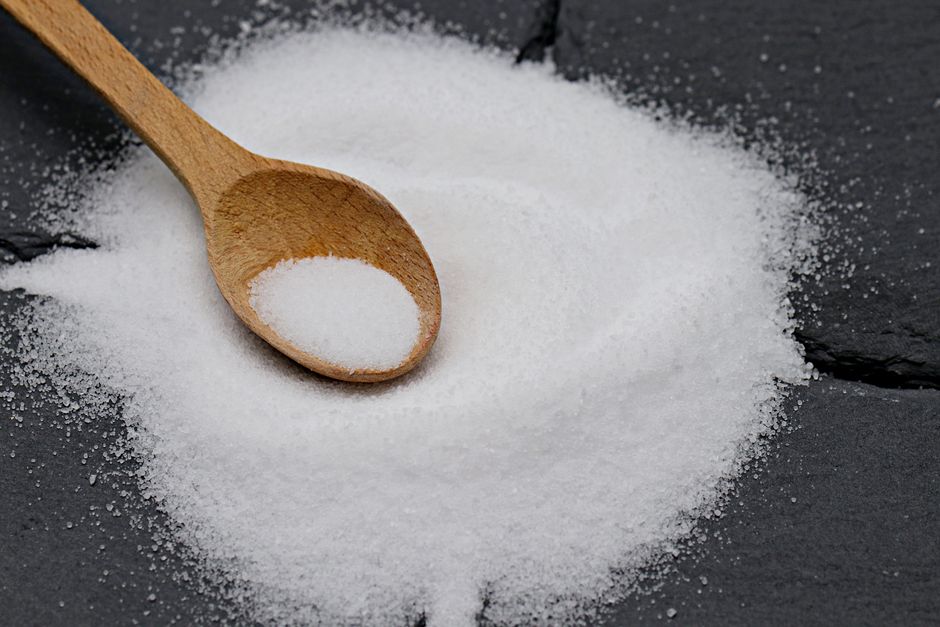
To raise sodium levels, you need to address the cause of low sodium and increase your intake of salt under a doctor’s guidance. For mild cases, adding more sodium to food or drinking fluids that contain salt can help. For severe hyponatremia, hospital treatment with intravenous fluids is required. Never try to raise sodium levels quickly on your own—it can be dangerous.
What Does Low Sodium Mean?
Sodium is an essential mineral that helps control fluid balance, nerve signals, and muscle contractions. Your blood sodium level is normally between 135 and 145 milliequivalents per liter (mEq/L). When it drops below 135 mEq/L, that condition is called hyponatremia.
Hyponatremia means the amount of sodium relative to water in your blood is too low. Either you have too much water, not enough sodium, or both. This imbalance can cause cells to swell, which is especially dangerous in the brain.
What Causes Low Sodium Levels?
Many things can cause hyponatremia. Drinking too much water is one common reason—especially during endurance exercise or heavy sweating when you replace fluids without also replacing salt. Certain medications, such as diuretics and some antidepressants, can also lower sodium levels.
Medical conditions like kidney disease, heart failure, liver disease, and adrenal insufficiency can disrupt the body’s ability to regulate sodium. Vomiting and diarrhea can also deplete sodium. In older adults, age-related changes in kidney function and common medications increase the risk.
What Are the Symptoms of Low Sodium?
Symptoms range from mild to life-threatening. Early signs include headache, nausea, fatigue, and muscle cramps. As sodium drops further, confusion, irritability, and difficulty walking can occur.
Severe hyponatremia—typically below 120 mEq/L—can cause seizures, coma, and even death. The speed of the drop matters. A rapid fall in sodium is more dangerous than a slow decline.
How To Raise Sodium Levels Safely
The safest way to raise sodium levels depends on what caused the drop and how severe it is. For mild hyponatremia without symptoms, your doctor may suggest increasing salt intake. This can mean adding table salt to food, eating salty snacks in moderation, or drinking clear broth.
For people with chronic hyponatremia from a condition like heart failure, the treatment is often to restrict water and adjust medications—not add more salt. For severe or sudden hyponatremia, hospital care is necessary. Doctors may give intravenous saline solutions—either normal saline (0.9%) or hypertonic saline (3%)—to raise sodium slowly and safely.
Rapid correction of low sodium can cause osmotic demyelination syndrome, a serious neurological condition. That is why sodium levels must be raised carefully, usually no faster than 8 to 10 mEq/L in 24 hours in chronic cases. Only a medical team can monitor this safely.
How Can You Raise Low Sodium Levels at Home Safely?
If your doctor has determined that your low sodium is due to low dietary intake and you have no underlying heart, kidney, or liver problems, you can take steps at home. The most straightforward method is to consume foods and drinks that naturally contain sodium.
Here are some options your doctor might approve:
- Add a pinch of salt to meals and cooking.
- Drink a cup of bouillon or clear broth.
- Eat salted crackers or pretzels in moderate amounts.
- Choose sports drinks or oral rehydration solutions that contain sodium. Check the label—many sports drinks have only 100–200 mg of sodium per serving.
You should also monitor your fluid intake. Drinking excessive amounts of water dilutes sodium further. If you are actively trying to raise sodium, reduce plain water and replace some of it with salted fluids.
Again, never start increasing salt without your doctor’s approval. If you have heart failure or kidney disease, extra salt can cause fluid buildup and worsen your condition.
When Should You See a Doctor?
See a doctor if you have symptoms of low sodium or if a blood test shows hyponatremia. Seek emergency care for severe symptoms like confusion, seizure, vomiting, or loss of consciousness.
If you are at risk—taking diuretics, have kidney or heart disease, or are an older adult on multiple medications—talk to your doctor about routine blood tests. Many cases of hyponatremia are discovered during routine lab work.
Can You Raise Sodium Levels Just by Eating More Salt?
For some people, yes—if the low sodium is caused by simply not getting enough salt. But in many cases, the problem is not lack of salt in the diet. It is excess water relative to sodium, often because the body cannot excrete water properly.
Eating more salt without changing water intake may not fix the imbalance and could cause high blood pressure or fluid retention. That is why the cause matters more than the remedy. A person with syndrome of inappropriate antidiuretic hormone (SIADH) needs fluid restriction, not salt pills. Someone with adrenal insufficiency needs hormone replacement, not extra salt alone.
Key Foods and Drinks That Contain Sodium
If your doctor approves increasing dietary sodium, these foods provide natural salt:
- Table salt (sodium chloride) – about 2,300 mg per teaspoon
- Canned soups and broths – check labels; some contain 800–900 mg per cup
- Pickles – a medium pickle has about 800–1,000 mg
- Olives – 5 olives contain about 150–200 mg
- Cheese – cheddar and feta are higher in sodium
- Salted nuts or seeds
- Soy sauce – 1 tablespoon has about 900 mg
- Sports drinks – typically 100–200 mg per 8 oz serving
- Oral rehydration solutions – contain about 250–350 mg per serving
These numbers are approximate. Always check product labels because sodium content varies by brand.
What About Salt Tablets?
Salt tablets are available over the counter and are sometimes used by athletes or people with conditions requiring extra salt. However, salt tablets should only be used under medical supervision. They can irritate the stomach and cause nausea. More importantly, taking too many can raise sodium too quickly.
Avoid using salt tablets unless your doctor specifically prescribes them and tells you the exact dose. Self-treating with salt tablets carries real risks.
Frequently Asked Questions
How fast does drinking salt water raise sodium?
It can raise sodium within a few hours, but the effect depends on how much you drink and your kidney function. Do not rely on self-made salt water without medical guidance because the concentration can vary and may be too strong.
What should I eat for breakfast if my sodium is low?
Foods like scrambled eggs with a pinch of salt, a bowl of canned soup, or salted oatmeal can add sodium. Pair with a glass of tomato juice or a sports drink if approved by your doctor.
Is it safe to use table salt to raise sodium levels?
Yes, but only under a doctor’s direction. Increasing table salt at meals is a common approach for mild hyponatremia caused by low intake. Never do this if you have heart failure, kidney disease, or high blood pressure without medical approval.
How long does it take to correct low sodium?
Mild cases may improve in 24 to 48 hours with dietary changes and fluid adjustments. Severe cases treated in the hospital are corrected over several days to avoid brain injury. Your doctor will monitor blood tests closely.
