
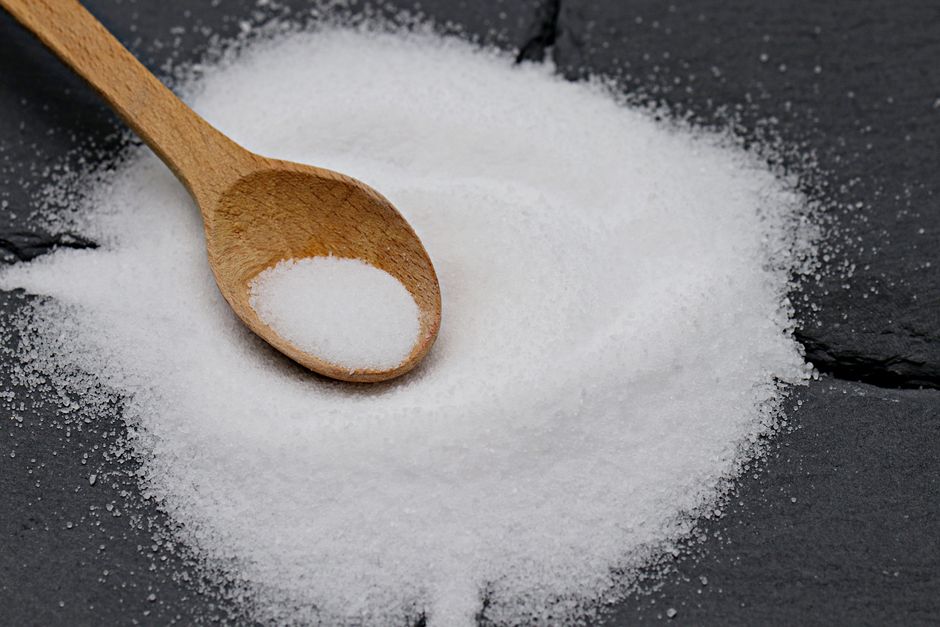
Sodium acetate, known as hot ice, forms solid crystals instantly when a supersaturated solution is disturbed. You can make it at home by reacting baking soda with vinegar and then heating the mixture to remove excess water. Once cooled, a single touch or a small seed crystal triggers rapid crystallization that also releases heat.
How To Make Sodium Acetate And Trigger Hot Ice? Key Facts
Sodium acetate is a salt made from acetic acid (vinegar) and sodium bicarbonate (baking soda). The chemical reaction produces sodium acetate, water, and carbon dioxide gas. To get hot ice, you need a concentrated solution — nearly all the water must be evaporated. After heating, the solution becomes supersaturated, meaning it holds more dissolved salt than normal at room temperature. That unstable state is the key. Any small disturbance — a grain of dust or a crystal — makes the salt suddenly crystallize. The process is exothermic, so the container feels warm.
Here is the basic method. Start with one liter of white vinegar. Add baking soda slowly — about 100 grams (roughly 7 tablespoons) per liter. The mixture will fizz as carbon dioxide escapes. Wait until bubbling stops. Then pour the solution into a clean pot. Heat it on a stove at medium temperature. The goal is to boil off water until a thin skin forms on the surface when you stir. That indicates the solution is near saturation. Remove from heat, pour into a clean glass container, and let it cool undisturbed to room temperature. Then touch the liquid with a spoon or drop in a small crystal of solid sodium acetate. Crystals will spread through the liquid within seconds, feeling warm to the touch.
What Is Sodium Acetate?
Sodium acetate is a simple salt with the formula CH₃COONa. It appears as white crystals or powder when dry. In water, it dissolves easily and has a mild vinegar smell. The compound is used in food as a flavoring (often called sodium diacetate), in heating pads, and in laboratory demonstrations. The common name “hot ice” comes from its ability to form solid crystals that feel warm rather than cold. This is because the change from liquid to solid releases stored heat energy — the opposite of melting ice, which absorbs heat.
The science behind hot ice is about supersaturation. Normally, a solution can only hold a certain amount of dissolved solid at a given temperature. But when you heat and then cool a concentrated solution without disturbing it, you can trap more salt in the liquid than is stable. That supersaturated state is fragile. The added crystal or disturbance gives molecules a starting point to arrange into a solid structure. Once begun, the reaction spreads rapidly, releasing the extra energy as heat.
Common Mistakes When Making Hot Ice
The biggest mistake is not removing enough water. If the solution is too dilute, it will not become supersaturated, and no crystals form. To check, watch for a solid film on the surface as you heat. Another error is overheating. If you boil the solution until it becomes dry, the sodium acetate will decompose or burn, ruining the batch. Stop heating when about 90% of the water is gone — look for a syrupy consistency and a thin crust forming when you stir.
Impurities can also prevent crystallization. Use clean containers — soap residue or grease can interfere. If the solution does not respond to a seed crystal, it may be too dilute. Reheat to evaporate more water, then cool again. Sometimes a solution fails because it was cooled too quickly or was jostled before you wanted it to trigger. Patience is needed. Let it sit completely still for an hour or more.
- Too much water left: No crystals form.
- Overheated: Solution turns brown or burns.
- Dirty container: Impurities block crystal growth.
- Moved too soon: Accidental triggering before you are ready.


Safety Precautions For Making Hot Ice
This project uses boiling liquids and glassware. Wear safety glasses and work in a well-ventilated area. Vinegar and baking soda are harmless, but the heated solution can cause burns if spilled. Use a pot with a thick base to distribute heat evenly. Do not leave the stove unattended. Let the solution cool completely before handling the container — the glass can remain hot for a long time.
Do not eat the sodium acetate you make at home. While food-grade sodium acetate is used in some snack foods, homemade batches may contain impurities or traces of cleaning agents from containers. Keep the solution away from children and pets. If any hot liquid splashes on skin, run it under cool water for several minutes. The crystallization reaction itself is not dangerous — it releases heat, but the temperature rise is typically just enough to feel warm, not scalding.
Key Facts About Sodium Acetate Crystals
Once hot ice crystals form, you can reverse the process by reheating. Melting the solid back into liquid requires gentle heat — put the container in a pot of simmering water until all crystals dissolve. Then cool it again to recreate the supersaturated solution. Many commercial heating pads work exactly this way: you boil the pad to reset it, then click a metal disc to trigger crystallization and get warmth.
The crystals are not actually ice — they are a hydrated salt. They hold water molecules within their structure. That is why they feel warm when forming, while freezing water feels cold. The reaction is a phase change, not a chemical change. The sodium acetate does not become a new substance — it just rearranges from dissolved ions to solid crystals. Each time you melt and recrystallize, the same molecules are reused, so one batch can work dozens of times if you avoid losing liquid during heating.
Pure sodium acetate melts at about 58 °C (136 °F). That is why hot ice is a solid at room temperature but becomes liquid when heated in a pouch. The supersaturated solution stays liquid below that melting point because it has no seed crystal to start solidifying. This is a classic example of a metastable state — stable enough to last, but ready to change instantly with a nudge.
Frequently Asked Questions
Can I reuse homemade hot ice?
Yes. Heat the container in a pan of simmering water until all crystals dissolve, then cool it slowly and it will be ready to trigger again. Avoid losing water during heating or the solution will become too thick.
How long does it take to make sodium acetate?
The reaction of vinegar and baking soda takes only minutes, but boiling off the extra water can take 20 to 40 minutes depending on the volume and heat. Cooling to room temperature adds another hour or more.
Is hot ice safe to touch?
The crystals are safe to handle once they have cooled to room temperature, but the hot liquid can burn skin. Do not eat homemade sodium acetate because it may contain impurities. Commercial heating pads are sealed and labeled safe.
What can I use instead of vinegar?
You can buy pure acetic acid (diluted to 5–10%) or use citric acid with baking soda, but the reaction with citric acid produces sodium citrate, not sodium acetate. Vinegar is the easiest household source.
