
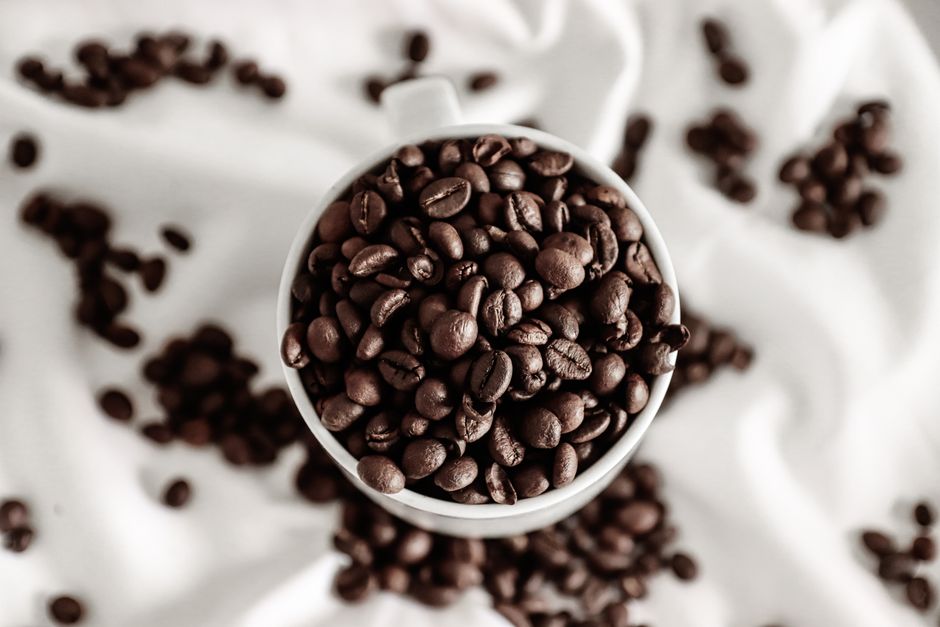
Caffeine content in coffee varies more than most people realize. An 8-ounce cup of brewed coffee typically contains about 95 mg of caffeine, but the same volume can range from roughly 70 mg to over 140 mg depending on the bean, the roast, and how it is brewed. Espresso is different: a single 1-ounce shot usually delivers around 63 mg. The numbers matter because caffeine affects sleep, blood pressure, and how medications work in the body.
How Many Mg of Caffeine Is in a Standard Cup of Coffee?
The short answer is about 95 mg for an 8-ounce cup of regular drip coffee. That figure comes from USDA nutritional data and is widely cited in clinical references. But it is an average, not a fixed value.
Several factors push that number up or down:
- Bean type: Arabica beans generally contain less caffeine than Robusta. A blend with more Robusta will brew a stronger cup.
- Grind size: Finer grinds expose more surface area to water, which extracts more caffeine.
- Water temperature: Hotter water extracts caffeine faster. Cold brew uses time instead of heat and produces a different caffeine profile.
- Brew ratio: More grounds per ounce of water means more caffeine per sip.
- Steep time: A longer contact time between water and grounds increases caffeine in the final cup.
A common mistake is assuming dark roast has more caffeine than light roast. It does not. Roasting does not add caffeine. In fact, because dark-roasted beans lose some mass during roasting, measuring by scoop can sometimes yield slightly less caffeine per cup than a light roast measured the same way. The difference is small, but the direction is the opposite of what many people believe.
How Much Caffeine Is in Espresso vs Drip Coffee?
A single shot of espresso contains roughly 63 mg of caffeine per 1-ounce serving. Drip coffee contains about 95 mg per 8-ounce serving. Espresso is more concentrated, but the serving is much smaller.
This is where people get confused. A 16-ounce latte made with two espresso shots contains about 126 mg of caffeine. A 16-ounce drip coffee contains roughly 190 mg. So the latte actually has less caffeine, even though it tastes stronger.
Here is a comparison of common coffee drinks:
| Drink | Typical Serving Size | Approximate Caffeine |
|---|---|---|
| Brewed drip coffee | 8 oz | 95 mg |
| Espresso | 1 oz (single shot) | 63 mg |
| Cold brew | 8 oz | 100-150 mg (varies widely) |
| Instant coffee | 8 oz | 30-90 mg |
| Decaf coffee | 8 oz | 2-5 mg |
Cold brew deserves a note. Because it is often served in larger cups and brewed at higher concentrations, a 16-ounce cold brew can contain well over 200 mg of caffeine. The range is wide because recipes vary so much between cafes and brands.
How Does Caffeine Content Differ Across Brewing Methods?
Brewing method changes caffeine extraction in predictable ways. The key variables are contact time, water temperature, and pressure.
Drip brewing passes hot water through grounds in a few minutes. It extracts caffeine efficiently and consistently. This is why drip coffee is the reference point for most caffeine estimates.
French press steeps grounds in hot water for about four minutes before pressing. The longer contact time can extract slightly more caffeine than a standard drip cycle, though the difference is modest.
Espresso forces hot water through finely ground coffee at high pressure for about 25-30 seconds. The result is a small, concentrated serving. Per ounce, espresso has more caffeine than drip. Per serving, it usually has less.
Cold brew steeps grounds in room-temperature or cold water for 12-24 hours. The long steep time compensates for the lower temperature. The final caffeine content depends heavily on the ratio of grounds to water. Some commercial cold brews are diluted before serving; others are not.
Pour-over methods vary. A standard pour-over with a medium grind and a 3-4 minute brew time produces caffeine levels similar to drip. A longer pour with more water can extract more.
Instant coffee has a wide range because manufacturers use different blends and processing methods. A teaspoon of instant dissolved in hot water might deliver anywhere from 30 mg to 90 mg. The label is the only reliable guide.

How Much Caffeine Is Considered Safe Per Day?
For most healthy adults, the FDA cites 400 mg of caffeine per day as an amount not generally associated with dangerous negative effects. That is roughly four 8-ounce cups of brewed coffee.
This is a general guidance, not a target. Individual sensitivity varies widely. Genetics affect how quickly the liver breaks down caffeine. Some people clear it in a few hours; others take much longer. That is why one person can drink coffee at 6 PM and sleep fine, while another cannot drink it after noon.
Certain groups need to be more careful:
- Pregnant women: The American College of Obstetricians and Gynecologists recommends limiting caffeine to less than 200 mg per day during pregnancy. This is an established clinical recommendation.
- People with anxiety disorders: Caffeine can worsen symptoms. Some clinicians recommend reducing intake.
- People with heart rhythm conditions: Caffeine can trigger palpitations in some individuals. Discuss intake with a doctor.
- People taking certain medications: Caffeine interacts with some drugs, including certain antibiotics and bronchodilators. Check with a pharmacist.
Energy drinks often contain 100-200 mg per serving and are consumed quickly. The FDA has noted that some adverse events have been associated with energy drinks, particularly when consumed rapidly or combined with alcohol. Coffee and energy drinks are not equivalent delivery systems.
Does Caffeine Content Differ Between Coffee Brands?
Yes, and the differences can be significant. A 16-ounce coffee from one chain may contain 180 mg while the same size from another contains over 300 mg. Starbucks publishes caffeine content for its drinks, and its grande brewed coffee (16 oz) contains about 310 mg. Dunkin’ reports its 16-ounce brewed coffee at around 210 mg. These are brand-reported figures, not independent lab tests, but they illustrate the range.
Packaged coffee sold in stores also varies. The Nutrition Facts label lists caffeine only if the manufacturer chooses to include it, and many do not. For ground coffee, the caffeine content depends on how much you scoop and how you brew it. Two tablespoons of the same grounds brewed in different machines can produce different results.
Decaf coffee is not caffeine-free. The decaffeination process removes most but not all caffeine. An 8-ounce cup of decaf typically contains 2-5 mg. That is low, but not zero. People who are highly sensitive to caffeine should be aware of this.
What Affects How Caffeine Hits You Beyond the Milligram Count?
Two cups of coffee with the same caffeine content can affect two people differently. The milligram count is only part of the picture.
Metabolism: The liver enzyme CYP1A2 breaks down caffeine. Genetic variations in this enzyme affect how fast that happens. Slow metabolizers may feel the effects longer and may be more prone to jitteriness or sleep disruption.
Tolerance: Regular caffeine consumption leads to tolerance. The same dose produces a smaller effect over time. This is a well-documented physiological adaptation.
Body weight: Caffeine distributes throughout body water. A smaller person may feel the effects of the same dose more strongly, though this is not a simple linear relationship.
Food in the stomach: Drinking coffee with food slows absorption. The peak effect may be delayed and less intense.
Time of day: Caffeine has a half-life of about 3-5 hours in most adults. That means half the caffeine from a 2 PM cup may still be in your system at 7 PM. For people who are sensitive, that can affect sleep even if they do not feel wired.
None of these factors change the milligram count in the cup. They change what that milligram count does inside your body.
How Can You Estimate Caffeine in Your Own Coffee?
Without a lab test, you cannot know exactly. But you can get a reasonable estimate by controlling variables.
Use a scale to measure grounds. A standard ratio for drip coffee is about 1 gram of coffee per 16-17 grams of water. That is roughly 2 tablespoons of grounds per 6 ounces of water. If you use more grounds, you get more caffeine.
If you buy coffee from a cafe, ask if they publish caffeine content. Some do. If they do not, assume an 8-ounce cup contains 95-150 mg unless you know the brand uses a higher-ratio recipe.
For packaged coffee, check the label. If caffeine is not listed, you can estimate based on the type. A typical medium-roast Arabica blend brewed at standard strength will fall in the 80-100 mg range per 8 ounces. Robusta blends or espresso-style roasts will be higher.
The most reliable approach is consistency. If you brew the same way every day, your caffeine intake is consistent, even if you do not know the exact milligram count. That consistency is what matters for managing sleep, anxiety, and overall intake.
Frequently Asked Questions
How many mg of caffeine are in a cup of coffee?
An 8-ounce cup of brewed coffee typically contains about 95 mg of caffeine. The range across brewing methods and brands is roughly 70 mg to over 140 mg per 8 ounces.
Is espresso stronger in caffeine than regular coffee?
Espresso is more concentrated per ounce, with about 63 mg per 1-ounce shot, but a standard serving of drip coffee contains more total caffeine. A 16-ounce latte with two shots has about 126 mg, while a 16-ounce drip coffee has roughly 190 mg.
How much caffeine is safe per day?
The FDA cites 400 mg per day as an amount not generally associated with dangerous negative effects for most healthy adults. Pregnant women are advised to stay under 200 mg per day.
Does dark roast have more caffeine than light roast?
No. Roasting does not add caffeine, and dark roast may actually have slightly less per scoop because the beans lose mass during roasting. The difference is small.
