
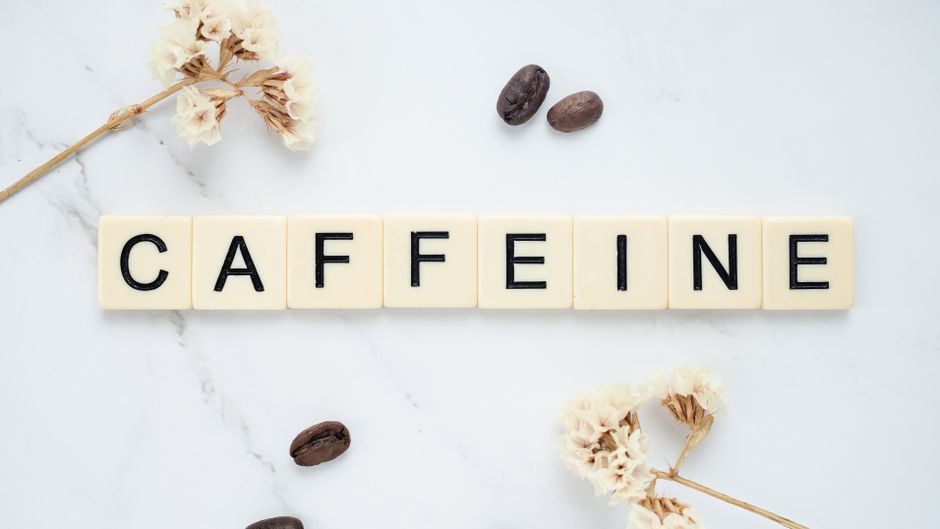
A standard 12-ounce cup of coffee contains roughly 95 to 200 milligrams of caffeine, with about 120 milligrams being a fair middle estimate for a typical drip brew. The exact amount swings widely based on the bean, the roast, the grind, and how it is brewed. A 12-ounce serving is the “tall” size at most coffee chains, and it is the size many people picture when they think of a normal cup.
How Much Caffeine Is in 12 Ounces of Coffee?
For a typical medium-roast drip coffee, 12 ounces delivers about 120 milligrams of caffeine. That number comes from averaging across common brewing methods and bean types.
The range is the important part. The same 12 ounces can hold as little as 95 milligrams or as much as 200 milligrams depending on what is in the cup. Cold brew, espresso-based drinks, and lighter roasts often land at different points.
For reference, the US Food and Drug Administration cites 400 milligrams per day as an amount not generally associated with negative effects for most healthy adults. A single 12-ounce coffee sits well below that line. Two or three of them in a day can push you close to it.
Why Does Caffeine Content Vary So Much?
Caffeine is a natural plant compound, not a fixed ingredient. It varies from bean to bean and from cup to cup.
Several factors move the number up or down:
- Bean species. Arabica beans, the most common type in specialty coffee, generally hold less caffeine than robusta beans. Robusta is often used in instant coffee and some espresso blends.
- Brewing method. Drip coffee, French press, cold brew, and espresso extract caffeine differently because water contact time and pressure differ.
- Grind size. Finer grounds expose more surface area to water and tend to extract more caffeine in the same time.
- Water temperature and time. Hotter water and longer steeping pull out more caffeine.
- Serving size. A coffee shop “small” is not always 12 ounces. Cup sizes vary by chain.
One common myth is that darker roasts have more caffeine. The opposite is closer to the truth. Roasting does not add caffeine, and because dark-roasted beans lose a little mass during roasting, measuring by scoop can actually give you slightly less caffeine per scoop than a lighter roast.
How Much Caffeine Is in Different Coffee Drinks?
The 12-ounce figure means very little without knowing the drink. A 12-ounce drip coffee and a 12-ounce latte are not the same thing.
Here is a general comparison of common 12-ounce servings. These are approximate ranges, not fixed values.
| Drink (12 oz) | Approximate caffeine |
|---|---|
| Drip coffee | 95–200 mg |
| Cold brew | 150–240 mg |
| Instant coffee | 60–110 mg |
| Decaf coffee | 2–15 mg |
| Latte or cappuccino (typically 1–2 shots) | 65–150 mg |
| Espresso (single shot, 1 oz) | about 65 mg |
Cold brew often runs higher because it uses more coffee grounds per ounce of water and steeps for hours. Espresso is concentrated but served in tiny volumes, so a single shot holds less caffeine than a full cup of drip coffee.
Decaf is not truly caffeine-free. The decaffeination process removes most but not all of it, so a 12-ounce decaf can still carry a small amount.

How Does 12 Ounces of Coffee Compare to Other Sources?
Coffee is the biggest caffeine source for most US adults, but it is not the only one. Seeing where 12 ounces sits next to other common sources helps put the number in context.
| Source | Approximate caffeine |
|---|---|
| 12 oz drip coffee | 95–200 mg |
| 8 oz black tea | 30–50 mg |
| 8 oz green tea | 20–45 mg |
| 12 oz cola | 30–50 mg |
| 8.4 oz energy drink | 70–80 mg |
| 1 oz dark chocolate (70–85%) | about 20–25 mg |
A 12-ounce coffee usually carries more caffeine than a cup of tea, a soda, or a typical energy drink of similar size. That is worth knowing if you are stacking sources across a day without tracking them.
How Much Caffeine Is Too Much?
For most healthy adults, up to 400 milligrams of caffeine per day is not generally linked to negative health effects, according to the FDA. That is roughly three to four 12-ounce cups of coffee, depending on how strong each cup is.
Going over that line does not automatically cause harm, but it raises the odds of side effects. Common ones include jitteriness, a fast heartbeat, trouble sleeping, upset stomach, and anxiety.
Some people are more sensitive than others. Genetics affect how quickly the body clears caffeine, so two people can drink the same cup and feel very different. Certain medications, pregnancy, and some health conditions change how much caffeine is wise.
Caffeine is also a drug with real effects. Very high doses, especially in short periods, can cause serious problems. Powdered caffeine and high-dose supplements are a particular concern because it is easy to take far too much by accident.
Does Caffeine Content Change How Coffee Affects You?
The caffeine number tells you the dose, but not the whole story. How fast you drink it, whether you have eaten, and your own biology all shape the effect.
Caffeine works by blocking adenosine, a molecule that builds up in the brain and makes you feel sleepy. When caffeine blocks it, you feel more alert. The body clears caffeine gradually, and the half-life — the time it takes to remove half of it — varies widely between people, often landing somewhere around three to five hours.
That is why an afternoon coffee can still affect sleep at night for some people and not others. Timing matters as much as total milligrams.
One thing caffeine does not do is erase sleep debt. It masks tiredness for a while, but the underlying need for sleep remains. Relying on it to replace rest tends to catch up with people.
How Can You Tell How Much Caffeine Is in Your Cup?
If you brew at home, you can get a reasonable estimate by tracking how much ground coffee you use. A common starting point is about one to two tablespoons of ground coffee per 6 ounces of water, but strength is a personal choice and the actual caffeine depends on the bean and method.
If you buy coffee out, the most reliable move is to check the chain’s published nutrition information. Many large coffee companies list caffeine content per size on their websites or in stores. Independent cafes rarely publish this, so the number is genuinely unknown for those cups.
For packaged coffee, the label sometimes lists caffeine per serving, but not always. When it is missing, you are working with an estimate, not a measurement.
Frequently Asked Questions
How much caffeine is in a 12 oz cup of coffee?
A typical 12-ounce drip coffee contains about 95 to 200 milligrams of caffeine, with roughly 120 milligrams as a middle estimate. The exact amount depends on the bean, roast, grind, and brewing method.
Is 12 ounces of coffee a lot of caffeine?
No, 12 ounces is generally a moderate amount for a healthy adult. It sits well below the 400 milligrams per day the FDA cites as not generally linked to negative effects for most people.
Does dark roast coffee have more caffeine than light roast?
No, dark roast does not have more caffeine, and it may have slightly less per scoop. Roasting does not add caffeine, and dark-roasted beans lose some mass during roasting.
How much caffeine is in a 12 oz decaf coffee?
A 12-ounce decaf coffee typically contains about 2 to 15 milligrams of caffeine. Decaffeination removes most but not all of the caffeine.
