
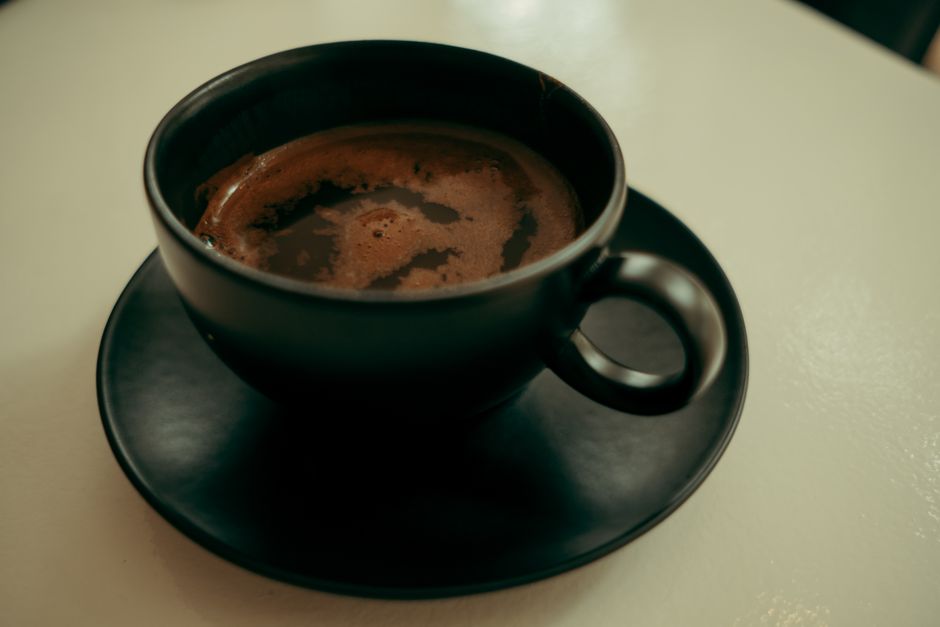
Bitter coffee is almost always a brewing problem, not a bean problem. The main causes are water that is too hot, grinding coffee too fine, and steeping it too long. Fix those three things and most bitterness disappears. The rest comes down to the coffee itself and how fresh it is.
What Actually Makes Coffee Taste Bitter?
Coffee contains hundreds of compounds, and some of them taste bitter by nature. Caffeine is one. So are certain acids and a group of compounds called chlorogenic acid lactones. These are not defects. They are part of what coffee is.
The goal of brewing is to pull the pleasant flavors out of the grounds without dragging out the harsh ones. Coffee chemists describe this as extraction. Early in the brew, you get fruity and acidic notes. In the middle, sweetness and balance. Late in the brew, the bitter and dry compounds come out.
When you overshoot that middle zone, you get what the industry calls over-extraction. That is the technical name for coffee that tastes bitter, dry, or hollow. It is the single most common reason a cup turns out badly.
Under-extraction is the opposite problem. That cup tastes sour, salty, or thin. Many people confuse sour with bitter. If your coffee makes you pucker, it may actually be under-extracted, and the fix is the reverse of what you would do for bitterness.
How To Make Coffee Not Taste Bitter What Works?
The most reliable fix is to lower your water temperature. Water just off a boil, around 195 to 205 degrees Fahrenheit, is the range most brewing guidelines point to. Water at a rolling boil is too hot and will scorch the grounds.
Let a kettle sit for about 30 seconds after it boils before you pour. That alone changes the cup noticeably.
Next, coarsen your grind. Finer grounds expose more surface area, which speeds up extraction. If your coffee is bitter, go coarser. If you use a blade grinder, you are likely getting a mix of fine dust and coarse chunks, and that unevenness alone can make a cup taste muddy and harsh. A burr grinder produces a consistent particle size, and it is one of the few upgrades that reliably improves home coffee.
Then shorten your brew time. Longer contact between water and grounds means more extraction. If you are using a French press and letting it sit for eight minutes, try four.
Finally, check your ratio. Too little coffee relative to water leads to over-extraction because the water keeps working on fewer grounds. A common starting point is about 1 to 2 tablespoons of ground coffee per 6 ounces of water. Adjust from there.
Change one variable at a time. If you change everything at once and the cup improves, you will not know which change did it.
Does Water Quality Affect Coffee Bitterness?
Yes, and it is one of the most overlooked factors. Coffee is roughly 98 percent water, so the water matters.
Pure distilled water makes flat, dull coffee. Water with no minerals at all extracts poorly. On the other end, very hard water, high in calcium and magnesium, can pull out more of the bitter compounds and leave a chalky taste.
Most tap water in the US falls somewhere in a workable range. If your tap water tastes good on its own, it will probably make decent coffee. If it tastes strongly of chlorine or minerals, filtered water will improve the cup.
You do not need special brewing water. A basic carbon filter is enough for most households.





Does The Roast Level Change How Bitter Coffee Tastes?
Darker roasts tend to taste more bitter, and there is a physical reason for it. Roasting longer breaks down some of the acids that give coffee its brightness and creates more of the compounds associated with bitter and smoky flavors.
That does not mean dark roast is bad. It means dark roast leaves less margin for error. A dark roast brewed too hot or too long turns harsh quickly. A light roast has more room before it goes bitter, but it can taste sour if you under-brew it.
If you are trying to reduce bitterness and you usually buy dark roast, try a medium roast. The difference is often larger than any equipment change.
One clarification worth making: dark roast does not contain less caffeine than light roast by weight of beans, which is a common belief. The difference is small and mostly disappears when you measure by scoop, since dark roasted beans are slightly less dense.
Does Grinding Fresh Matter For Bitterness?
Grinding right before brewing makes a real difference, and the reason is oxygen. Once coffee is ground, the surface area exposed to air increases dramatically, and the aromatic compounds that give coffee its character start to fade within minutes.
Pre-ground coffee is not automatically bitter. But it is staler, and stale coffee tends to taste flat and papery, which people sometimes describe as bitter because it lacks the sweetness that would balance it.
If you buy pre-ground, store it in an airtight container away from light and heat. Do not keep it in the freezer unless it is sealed well, because moisture and odors from the freezer will get in.
Whole beans stay fresher longer. If you can only make one change and you already have your temperature and ratio under control, a grinder is the highest-value purchase.
Why Does Coffee Taste Bitter At Some Cafes But Not Others?
Cafes deal with the same variables you do, plus a few more. Their equipment is often capable of better consistency, but that does not guarantee a better cup.
Common reasons a cafe cup tastes bitter include:
- Espresso shots pulled too long or with too fine a grind
- Batch brew that has been sitting on a hot plate for over an hour
- Machines not cleaned regularly, leaving old oils in the lines
- Water filtration that is overdue for a change
If a cafe’s coffee is consistently bitter, it is usually a maintenance or recipe issue rather than the beans. That is useful to know because it means the problem is fixable, and it also means you should not assume your home setup is the weak link.
Can You Fix Bitter Coffee After It Is Brewed?
Not really. Once the bitter compounds are in the cup, you cannot remove them. Adding milk, cream, or sugar masks bitterness but does not undo it.
A pinch of salt is sometimes suggested as a way to reduce perceived bitterness. There is some basis for this in how taste perception works, since salt can suppress bitter flavors on the tongue. But it is a workaround, not a fix, and it is easy to overdo. The better approach is to correct the brew.
If you have a bitter batch already made, diluting it with hot water can help slightly by lowering the concentration of everything, including the bitter compounds. It will also weaken the flavor overall.
The honest answer is that bitterness is a brewing problem, and brewing problems get solved before the coffee hits the cup.
What About Cold Brew?
Cold brew is less bitter than hot brewed coffee, and this is well established. Cold water extracts fewer of the compounds responsible for bitterness and acidity, which is why cold brew tastes smoother and often sweeter without any additives.
The tradeoff is that it also extracts less of the bright, fruity notes. Some people find cold brew tastes flat for that reason.
Cold brew typically steeps for 12 to 24 hours at room temperature or in the refrigerator. Longer steeping does increase extraction, so if your cold brew tastes bitter, shorten the time before you change anything else.
Frequently Asked Questions
Why is my coffee bitter no matter what I do?
If you have adjusted temperature, grind, and time and it is still bitter, the issue is likely your water or your beans. Very hard water and stale coffee are the two most common remaining causes.
Does adding salt to coffee really reduce bitterness?
Salt can suppress the perception of bitterness on the tongue, so it may help slightly. It does not remove the bitter compounds and is not a substitute for fixing the brew.
Is espresso more bitter than drip coffee?
Espresso is more concentrated, so its flavors including bitterness are more intense. Whether it tastes bitter depends heavily on the grind and pull time.
Does milk reduce bitterness in coffee?
Milk masks bitterness by adding fat and sweetness, which changes how you perceive the flavor. It does not remove the bitter compounds already in the cup.
