
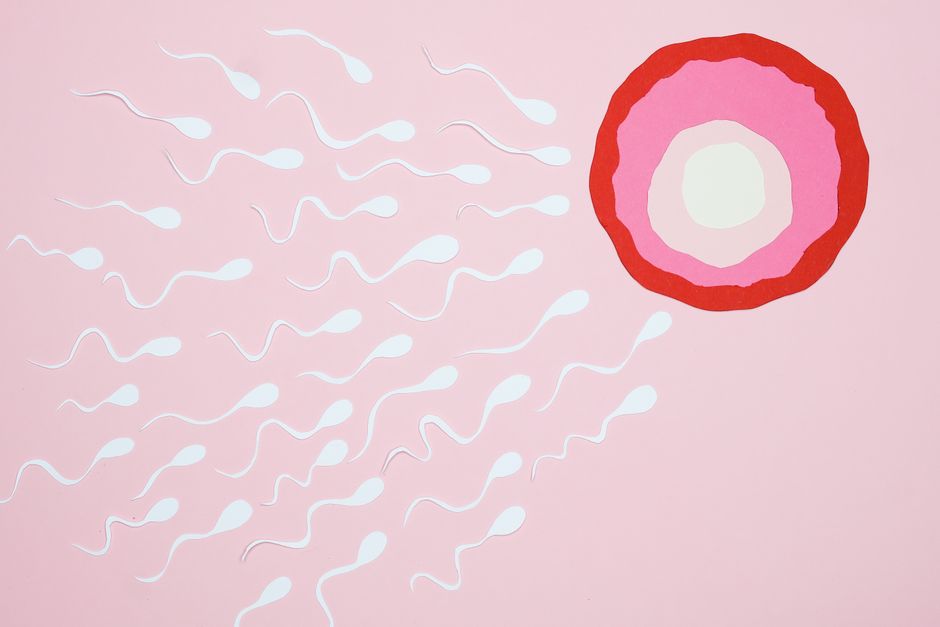
Ovulation is a single day event. The egg is released from the ovary and lives for about 12 to 24 hours. If sperm does not fertilize it within that window, the egg dissolves and the fertile window closes for that cycle. This is the core fact, and it applies to nearly every woman with a regular cycle. The days leading up to ovulation are also important because sperm can survive inside the body for several days, which is why the fertile window is longer than the day of ovulation itself.
What Exactly Happens During Ovulation?
Ovulation is the release of a mature egg from a follicle in the ovary. This usually happens once per menstrual cycle. The egg then travels into the fallopian tube, where it can meet sperm.
The entire process of the egg being released is quick. It happens over a period of minutes to hours. The egg does not wait around. Once it is out, its clock starts ticking. If fertilization does not happen within the egg’s lifespan, the uterine lining will eventually shed. That shedding is your period.
Most women do not feel ovulation happening. Some notice a mild twinge or cramp on one side of the lower abdomen. This is called mittelschmerz, and it is harmless. It is not a reliable sign of ovulation for everyone.
How Many Days Do You Ovulate? The Exact Window
The egg itself survives for 12 to 24 hours after release. This is the total time you are actually ovulating. There is no variation here that matters for pregnancy planning. Whether the egg lives 12 hours or 24 hours, the practical difference is small.
The broader fertile window is a different concept. It includes the five days before ovulation plus the day of ovulation itself. This is because sperm can live inside the female reproductive tract for up to five days. If you have sex on Monday and ovulate on Thursday, sperm can still be waiting when the egg arrives.
This six-day window is the only time during a cycle when intercourse can result in pregnancy. The day of ovulation and the two days before it are the highest-fertility days. Research consistently shows that conception is most likely when sex happens in this three-day stretch.
If you are tracking ovulation to get pregnant, focus on the fertile window, not just the single day. If you are using this information to avoid pregnancy, understand that the fertile window is real and sperm survival makes it longer than the egg’s lifespan.
How Long Does the Fertile Window Last?
The fertile window lasts about six days. It starts five days before ovulation and ends on the day of ovulation. The exact length can vary slightly from woman to woman and cycle to cycle.
Sperm survival is the reason for this wider window. Healthy sperm can remain viable in cervical mucus for up to five days. The cervical mucus changes around ovulation to become more sperm-friendly. It becomes clear, stretchy, and slippery, similar to raw egg whites.
This mucus protects the sperm and helps it travel. It also provides an environment where sperm can wait for the egg. Without this fertile-quality mucus, sperm survival drops dramatically.
The egg does not get the same benefit. It has no protective coating. It simply lives for 12 to 24 hours and then begins to break down. This asymmetry between sperm survival and egg survival is why timing matters.





What Are the Signs That You Are Ovulating?
Several physical signs can help you identify when ovulation is approaching or happening. These signs are useful for tracking but are not guarantees.
Basal body temperature rises after ovulation. You take your temperature every morning before getting out of bed. A sustained increase of about 0.5°F to 1°F indicates ovulation has already occurred. The temperature rise happens after the egg is released, so it confirms ovulation but does not predict it.
Cervical mucus changes in consistency. In the days before ovulation, it becomes more abundant, clear, and stretchy. This is the most fertile-quality mucus. After ovulation, it becomes thick and sticky again.
Ovulation predictor kits detect the luteinizing hormone surge in urine. This surge happens 24 to 36 hours before ovulation. A positive test means ovulation is likely to occur within the next day or two.
Some women also experience breast tenderness, mild pelvic pain, or light spotting around ovulation. These symptoms are not consistent or reliable for everyone. They should not be used as your only method of tracking.
Can You Ovulate More Than Once in a Cycle?
No. In a normal cycle, only one egg is released. The ovary selects a single dominant follicle that grows and releases its egg. The other follicles that started developing do not mature.
There is a rare exception where two eggs are released within the same cycle. This can lead to fraternal twins if both are fertilized. This happens in about 1% to 2% of natural cycles. The eggs are released within a short time of each other, not days apart.
The idea of ovulating multiple times on different days in one cycle is not supported by evidence. Your fertile window is still the same six-day period. The egg lifespan does not reset or extend.
When Do You Ovulate in Your Menstrual Cycle?
Ovulation typically occurs around day 14 of a 28-day cycle. The first day of your period is day one. This timing is an average, not a rule.
Cycle length varies widely among women. A normal cycle can range from 21 to 35 days. Ovulation adjusts accordingly. In a 35-day cycle, ovulation may occur around day 21. In a 21-day cycle, it may occur around day 7.
The key is that ovulation happens about 14 days before your next period starts. This second half of the cycle, called the luteal phase, is relatively consistent. The first half, called the follicular phase, is what varies. This is why tracking your cycle length matters more than counting days from your period.
You cannot predict ovulation simply by counting days unless your cycles are very regular. Even then, stress, illness, travel, and sleep changes can shift ovulation timing. This is why many women use multiple tracking methods together.
What Happens If You Do Not Ovulate?
Anovulation means no egg is released. This can happen occasionally in any woman. It becomes more common with age, stress, significant weight changes, and certain medical conditions.
Polycystic ovary syndrome is one of the most common causes of irregular or absent ovulation. Thyroid disorders and elevated prolactin levels can also interfere. These conditions are treatable, and ovulation often resumes with proper medical care.
If you have irregular cycles or are not getting pregnant after a year of trying, talk to a doctor. Testing can identify whether ovulation is occurring. Blood tests can measure progesterone levels in the second half of your cycle to confirm ovulation happened.
Do not assume irregular cycles mean you cannot get pregnant. They mean ovulation timing is harder to predict. Medical evaluation is appropriate if you have concerns.
How Long Does Ovulation Last Each Month?
The actual event of ovulation lasts minutes to hours. The egg then lives for 12 to 24 hours. The fertile window around it lasts about six days.
This means you have roughly one week per cycle where pregnancy is possible. The rest of the month, pregnancy cannot occur. Understanding this timeline helps with both conception and contraception planning.
For couples trying to conceive, having sex every one to two days during the fertile window maximizes the chance of sperm being present when the egg arrives. Daily sex during this window does not harm sperm quality and may slightly increase chances.
If you are tracking to avoid pregnancy, remember that sperm survival extends the risk window. The fertile window is not just the day of ovulation. It includes the days before, when sperm can wait for the egg.
Frequently Asked Questions
How many days do you ovulate?
Ovulation itself lasts for a single day. The egg lives for 12 to 24 hours after release, and the fertile window around it lasts about six days.
Can you get pregnant 2 days before ovulation?
Yes. Sperm can survive inside the female reproductive tract for up to five days, so sex two days before ovulation can result in pregnancy.
How do I know when I am ovulating?
Common signs include changes in cervical mucus, a slight rise in basal body temperature after ovulation, and a positive result on an ovulation predictor kit.
Does ovulation happen on day 14 for everyone?
No. Day 14 is the average for a 28-day cycle, but ovulation timing varies based on your individual cycle length and regularity.
