
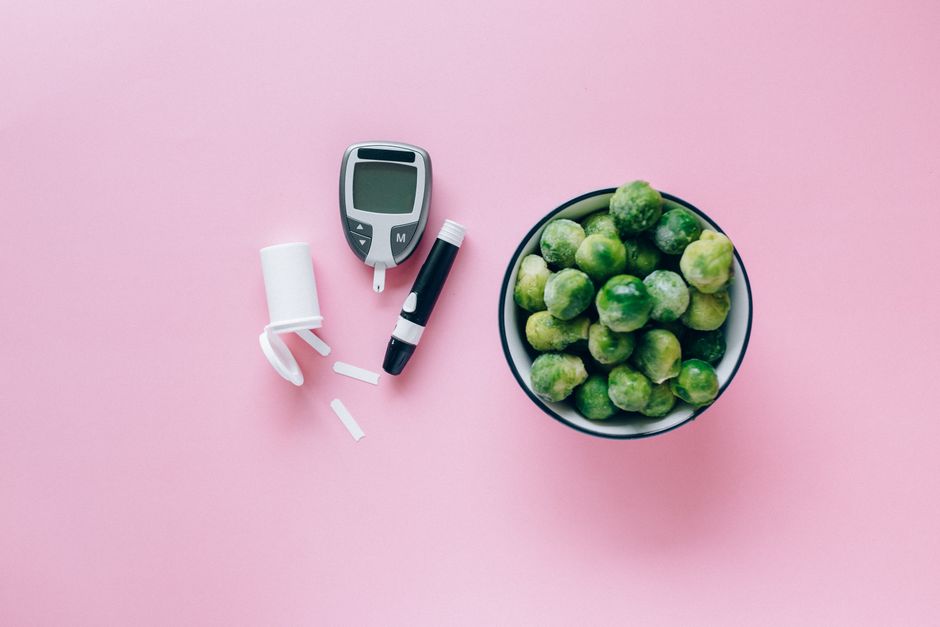
Most adults with diabetes need between 45 and 60 grams of carbohydrates per meal. This equals about 135 to 180 grams per day if you eat three meals. But your exact number depends on your body size, activity level, blood sugar goals, and medications. The right amount for you may be different from someone else with diabetes.
How Many Carbs A Day Should A Diabetic Eat?
There is no single carb target that works for every person with diabetes. Clinical guidelines from major diabetes organizations do not prescribe one specific number. Instead, they recommend individualizing your carb intake based on your health profile and treatment plan.
For many people with diabetes, a common starting point is 45 to 60 grams of carbs per meal. Women often begin at the lower end, around 45 grams per meal. Men may start closer to 60 grams per meal. This three-meal pattern provides roughly 135 to 180 grams of total carbs daily. Some people also include one or two snacks with 15 to 30 grams of carbs each.
Some clinicians recommend lower carb intakes for certain patients. Very low carb diets, often called ketogenic diets, typically limit carbs to 20 to 50 grams per day total. Low carb diets usually allow 50 to 100 grams per day. Research on these approaches shows mixed long term results. Some studies suggest benefits for blood sugar control and weight loss in the short term. But the evidence for sustained benefits over years is less clear.
The key point is that carb intake must match your individual needs. A one size fits all number does not exist. Work with your healthcare team to find your target.
What Factors Affect Your Personal Carb Needs?
Several factors determine how many carbs you should eat each day. Your body weight is one of them. Larger people generally need more calories and may tolerate more carbs. Smaller people need fewer calories and usually less carbs.
Your activity level matters a great deal. Physical activity makes your muscles more sensitive to insulin. This means your body can handle more carbs when you are active. Someone who exercises daily may eat more carbs than someone who is mostly sedentary. The timing of carbs around exercise also affects blood sugar.
Medications play a major role. People who take insulin need to match their carb intake to their insulin doses. If you take mealtime insulin, you can adjust your dose based on how many carbs you eat. This gives you more flexibility. People on certain oral medications or non insulin injectables may need a more consistent carb intake day to day.
Your blood sugar goals also guide your carb target. If your post meal blood sugar runs high, you may need fewer carbs per meal or adjusted medication. Your hemoglobin A1c goal helps your doctor and dietitian set realistic carb targets.
Other medical conditions matter too. Kidney disease, for example, may require protein and carb adjustments. Pregnancy with diabetes has its own carb guidelines. These special situations need medical guidance beyond general advice.
How Different Carbs Affect Blood Sugar
Not all carbs are the same. The type of carb you eat changes how quickly your blood sugar rises. Fiber and starch behave differently than simple sugars.
Carbohydrates come in three main forms: starches, sugars, and fiber. Starches include foods like bread, rice, pasta, potatoes, and beans. Sugars include table sugar, honey, fruit juice, and the natural sugars in fruit and milk. Fiber is the indigestible part of plant foods.
Fiber slows down digestion. This means the sugar from a high fiber food enters your bloodstream more gradually. Whole grains, vegetables, beans, and nuts all contain fiber. The more fiber a carb food has, the gentler its effect on blood sugar.
Refined carbs, like white bread, white rice, and sugary drinks, digest quickly. They cause a rapid spike in blood sugar. These are the carbs that require the most attention when planning meals.
Protein and fat eaten with carbs also slow digestion. A carb eaten alone raises blood sugar faster than the same carb eaten as part of a balanced meal with protein, fat, and vegetables. This is why meal composition matters as much as carb counting.
The glycemic index ranks foods by how fast they raise blood sugar. Low glycemic foods cause a slower rise. High glycemic foods cause a faster spike. But the glycemic index does not account for portion size. Glycemic load adjusts for both the food quality and the amount eaten. Some people find these tools helpful. Others simply focus on total carb grams and fiber content.





Total Carbs Versus Net Carbs: What Matters?
Food labels list total carbohydrates. This number includes all starches, sugars, and fiber. Some people subtract fiber from total carbs to get what is called net carbs. The idea is that fiber does not raise blood sugar because your body does not digest it.
This approach has some logic behind it. Fiber is not broken down into sugar and absorbed the way starch is. So counting only the digestible carbs may give a more accurate picture of how a food will affect your blood sugar.
However, no major diabetes organization officially endorses net carb counting as a standard method. The American Diabetes Association recommends using total carbohydrates for meal planning. This is simpler and does not require calculating net carbs differently for every food.
If you do use net carbs, subtract only the fiber that is insoluble or partially soluble. For foods with more than 5 grams of fiber per serving, subtracting half the fiber grams is a conservative approach some dietitians suggest. But this is not an exact science. Different fibers have different effects on blood sugar.
The safest approach is to learn how specific foods affect your own blood sugar. Check your blood sugar two hours after eating. This will tell you more than any label calculation. If a food labeled as low net carbs still causes a high reading, your body may respond differently than the calculation predicts.
How to Track Your Carb Intake
Tracking your carb intake can help you stay within your target range. The most reliable method is weighing or measuring your food. A food scale gives the most accurate carb count. Measuring cups and spoons are less precise but still helpful for most people.
Reading food labels is essential. Look at the serving size first. Many packages contain more than one serving. The total carbohydrates line tells you the grams per serving. This number includes fiber, sugars, and sugar alcohols.
Carb counting apps and databases can simplify tracking. Many apps have extensive food databases and barcode scanners. They calculate the carbs for you based on portion size. But app databases sometimes have errors. Double check labels when possible.
Estimating by sight is a useful skill once you learn portion sizes. A fist sized portion of cooked rice or pasta is roughly 1 cup or about 45 grams of carbs. A tennis ball sized fruit is about 15 grams of carbs. A deck of cards sized piece of meat has no carbs but helps balance the meal.
Keep a food and blood sugar log for at least one to two weeks when you start a new carb target. This helps you and your dietitian see patterns. If your blood sugar is consistently high after certain meals, you may need to adjust the carb amount or the food choices for that meal.
Can You Eat Carbs and Still Control Blood Sugar?
Yes. People with diabetes can eat carbohydrates and maintain good blood sugar control. The goal is not to eliminate carbs but to manage the amount and type you eat in a way that works with your treatment plan.
Many people believe that diabetes means cutting out all sugar and starches. This is not accurate. A balanced diet that includes some carbohydrates is safe for most people with diabetes. Carbs provide energy, fiber, vitamins, and minerals that your body needs. The key is portion control and choosing higher quality carb sources most of the time.
Whole food sources of carbs are generally better choices. Vegetables, fruits, whole grains, beans, and lentils provide fiber and nutrients along with their carbs. These foods digest more slowly than refined grain products and sugary foods. They support steadier blood sugar levels.
Sugary drinks, white bread, pastries, and other highly processed foods offer little nutritional value for their carb content. They cause rapid blood sugar spikes. Limiting these foods makes blood sugar management easier. But occasional treats can fit into a well planned diet for most people. The total carb count matters more than the specific source in terms of blood sugar effect.
Frequently Asked Questions
Can a diabetic eat fruit?
Yes, fruit provides fiber, vitamins, and antioxidants that benefit your health. Stick to whole fruit rather than juice and keep portions to about 15 grams of carbs per serving, which is roughly one small apple or one cup of berries.
Is 100 grams of carbs a day too low for a diabetic?
No, 100 grams per day is a moderate low carb intake that many people with diabetes use successfully. This is well above very low ketogenic diets and can be a sustainable approach for some individuals when supervised by a healthcare provider.
Do I need to count carbs if I take insulin?
Yes, carb counting is especially important if you take mealtime insulin because your dose should match the carbs you eat. Learning your insulin to carb ratio allows you to adjust your dose accurately for each meal.
How do I know if I am eating too many carbs?
Consistently high blood sugar readings two hours after meals suggest your carb intake may exceed what your current medication or insulin can manage. Tracking your post meal blood sugar and comparing it to your target range will help you identify if adjustments are needed.
