
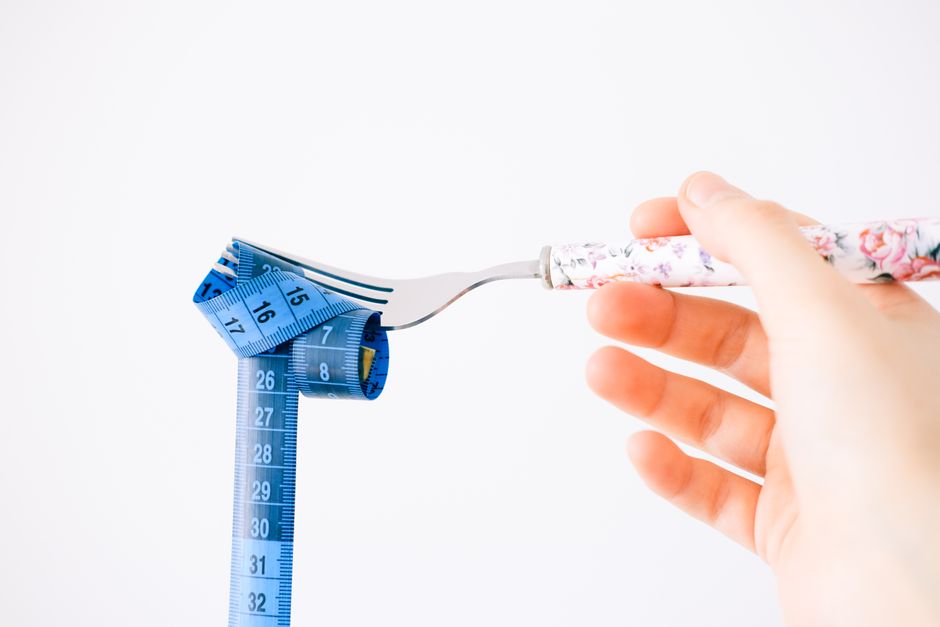
Plain cooked spaghetti has about 220 calories per cup, or roughly 158 calories per 100 grams. That number comes from the USDA’s FoodData Central database for enriched, cooked pasta with no added salt or oil. The catch is that “a cup of spaghetti” is not a standard measure in most kitchens, and what you put on top can easily double or triple the total.
How Many Calories Are in Spaghetti?
Cooked spaghetti delivers about 158 calories per 100 grams and roughly 220 calories per cup. Those figures apply to plain pasta cooked in unsalted water, with nothing added.
That works out to about 1.1 calories per gram of cooked pasta. It is a moderately energy-dense food — less dense than bread, more dense than cooked rice by weight.
The number shifts depending on whether the pasta is enriched, whole wheat, fresh, or gluten-free. Enriched semolina spaghetti is the baseline most nutrition databases use. Whole wheat pasta typically runs within a few calories of the same figure per gram, since the calorie difference between refined and whole grain wheat is small.
Fresh pasta is a different story. It usually contains egg and has more moisture, so the calorie count per gram of cooked weight can vary more widely than dry pasta. If you are tracking closely, check the specific package.
Dry vs Cooked Spaghetti Calories: Why the Number Changes
Dry spaghetti has about 371 calories per 100 grams. Cooked spaghetti has about 158 calories per 100 grams. The pasta did not lose calories — it absorbed water.
Pasta roughly doubles to triples in weight during cooking, depending on how long it boils and how much water it absorbs. A 2-ounce (56-gram) serving of dry spaghetti — the standard serving size on most US packages — becomes about 1 cup of cooked pasta, or roughly 200 to 220 calories.
This is where most calorie confusion starts. People weigh dry pasta, then eat the cooked result, and compare it to a “cup of spaghetti” from a nutrition app. Those are two different measurements of the same food.
If you want accuracy, weigh pasta dry before cooking. If you weigh it cooked, remember that the water weight is included.
How Many Calories in a Bowl of Spaghetti With Sauce?
Plain spaghetti with a half-cup of marinara sauce lands around 280 to 300 calories. The sauce itself adds roughly 60 to 80 calories depending on the brand and recipe.
The bigger swings come from what else goes in the bowl. Meat sauce, Alfredo, olive oil, cheese, and meatballs all change the total substantially.
- Marinara (½ cup): about 60–80 calories
- Meat sauce (½ cup): often 150–200 calories or more
- Alfredo sauce (½ cup): frequently 200–300 calories
- Grated parmesan (1 tablespoon): about 20–25 calories
- Olive oil (1 tablespoon): about 120 calories
- Meatballs (3 medium): commonly 200–300 calories
A restaurant portion of spaghetti with meat sauce can exceed 1,000 calories in a single plate, largely because restaurant portions of pasta are often two to three times the standard serving. This is not a reason to avoid pasta. It is a reason to know what is on the plate.




Does Spaghetti Have Any Nutritional Value Besides Calories?
Spaghetti is mostly carbohydrate, with a modest amount of protein and very little fat. A 1-cup serving of cooked enriched spaghetti provides roughly 43 grams of carbohydrate and about 8 grams of protein.
Enriched pasta is fortified with iron and B vitamins, including thiamine, riboflavin, niacin, and folic acid. That fortification is why enriched pasta appears in food assistance and school meal planning — it contributes meaningful micronutrients, not just calories.
Whole wheat pasta adds more fiber. A cup of cooked whole wheat spaghetti typically has around 6 grams of fiber, compared with about 2 to 3 grams in the refined version. Fiber affects how quickly blood sugar rises after a meal, though the effect is modest and depends on the whole meal, not pasta alone.
Pasta also contains some resistant starch, a type of carbohydrate that is not fully digested. Cooking and then cooling pasta increases its resistant starch content somewhat. Whether this matters much for health outcomes in real diets is not well established, and it should not be treated as a proven benefit.
Why Does Pasta Have a Lower Glycemic Index Than White Bread?
Cooked pasta tends to have a lower glycemic index than white bread, even though both are made from refined wheat. The physical structure of pasta matters.
Pasta is made by extruding dough through a die under pressure. This creates a dense, tightly packed protein-starch matrix. Your digestive enzymes have to work harder to break it down compared with the porous, airy structure of bread. Slower breakdown means a slower rise in blood glucose.
Cooking time also plays a role. Pasta cooked al dente is digested more slowly than pasta cooked until very soft. This is a real physiological effect, though its practical importance for most people eating a mixed meal is modest.
None of this means pasta is a “free” food for people with diabetes. Portion size and what you eat with the pasta still matter. Pairing pasta with protein, fat, and fiber slows digestion further and blunts the blood sugar response.
How Many Calories Spaghetti Should Be in a Serving?
The standard serving of dry spaghetti is 2 ounces, or 56 grams, which yields roughly 200 calories and about 1 cup cooked. That serving size appears on most US pasta packaging and in federal dietary guidance.
Whether that is the right amount for you depends on your total calorie needs, activity level, and what else is on the plate. A 2-ounce dry serving is a reference point, not a rule.
For context, a moderately active adult woman typically needs around 1,800 to 2,200 calories per day, and a moderately active adult man around 2,200 to 2,800. These are general ranges from federal dietary guidance and vary widely with age, size, and activity. Pasta can fit into almost any of those patterns — the question is how much and with what.
If you are trying to reduce calories, the easiest lever is not the pasta itself. It is the oil, cheese, cream sauce, and portion size. A cup of plain spaghetti with marinara is a very different calorie load than the same cup buried under Alfredo and meatballs.
Does Cooking Method Change the Calorie Count?
Cooking method does not change the calories in the pasta itself. It changes how much water the pasta absorbs, which changes the weight of a “cup.”
What does change the calories is what you cook it in or add afterward. A tablespoon of olive oil added to the boiling water or tossed with the drained pasta adds about 120 calories. Butter, cream, and cheese add more.
One practical point that surprises people: pasta absorbs some of the cooking water, and if that water contained oil, the oil comes with it. If you drain pasta and then toss it with sauce, you control the fat. If you oil the water generously, you may be adding more than you think.
Cooling cooked pasta and reheating it does slightly increase resistant starch content, which may reduce the calories your body actually absorbs from that portion by a small amount. The effect is real but small, and no study has shown it produces meaningful weight differences in real diets.
Frequently Asked Questions
How many calories are in 1 cup of cooked spaghetti?
About 220 calories for plain cooked enriched spaghetti with nothing added. The exact number varies slightly by brand and how much water the pasta absorbed.
How many calories are in 100g of cooked spaghetti?
Roughly 158 calories per 100 grams of cooked pasta, according to USDA data. Dry spaghetti has about 371 calories per 100 grams because it has not yet absorbed water.
Does whole wheat spaghetti have fewer calories than regular?
No, the calorie counts are very close — usually within a few calories per gram of cooked weight. Whole wheat pasta does have more fiber, which is the main nutritional difference.
How many calories are in spaghetti with meat sauce?
A 1-cup serving of spaghetti with a half-cup of meat sauce typically runs 350 to 450 calories, depending on the sauce recipe. Restaurant portions are often much larger and can exceed 1,000 calories.
