
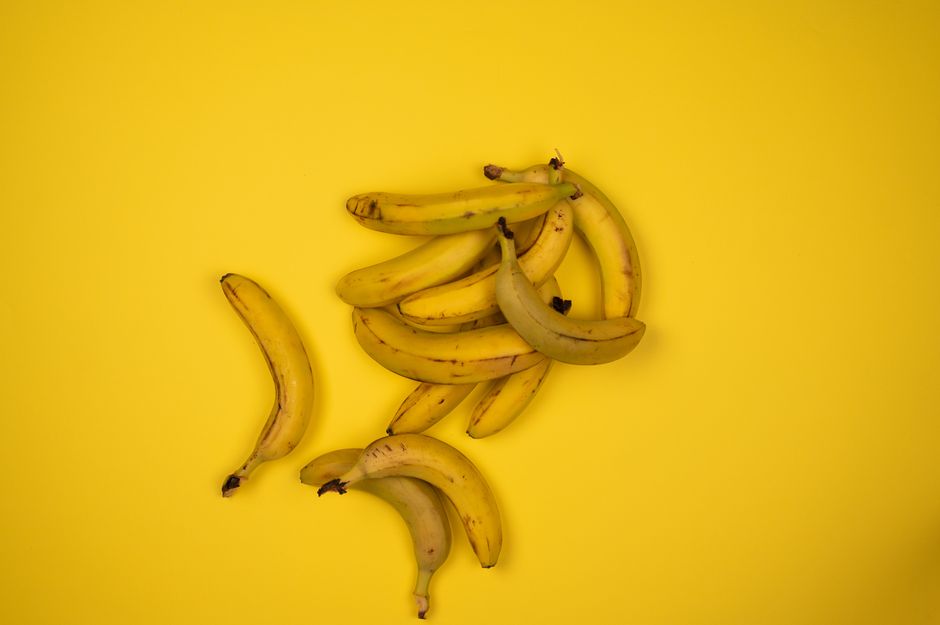
A banana a day is a common and healthy habit for many toddlers. For a 2-year-old, one medium banana per day is a reasonable and safe portion. Most pediatric guidance suggests that 2-year-olds need about 1 to 1.5 cups of fruit daily, and a single medium banana (about 7 to 8 inches long) counts as roughly half a cup of fruit. Eating one banana a day fits comfortably within these guidelines without displacing other important foods.
What Is a Safe Serving Size for a 2-Year-Old?
Portion sizes for toddlers are much smaller than adult portions. A 2-year-old’s stomach is about the size of their fist. A whole medium banana can fill a large portion of that space.
For most children, half a banana at one time is a practical serving. You can offer the other half later in the day or with another meal. This approach prevents the banana from crowding out other foods like proteins, vegetables, and whole grains that a toddler also needs.
Some children will eat a whole banana and still ask for more. That is usually fine. The bigger concern is not the banana itself but whether the child is eating a balanced diet overall. If your child eats a whole banana and then refuses other foods, consider offering smaller portions.
How Many Bananas Can a 2 Year Old Eat in a Day?
One medium banana per day is the safest and most balanced answer for a 2-year-old. This amount provides meaningful nutrition without risking constipation, excess sugar intake, or a reduced appetite for other foods.
Two bananas in a single day is not dangerous, but it is more than most toddlers need. If your child eats two bananas, they are getting a large share of their daily calories from fruit. That can leave less room for iron-rich foods, proteins, and fats that support brain development and growth.
Three or more bananas in a day is excessive for a toddler. At that level, the child is consuming a significant amount of sugar and fiber that can cause digestive upset. It also strongly suggests that other food groups are being neglected.
Nutritional Content of a Banana for Toddlers
A medium banana contains about 105 calories, 27 grams of carbohydrates, and 3 grams of fiber. It provides potassium, vitamin B6, vitamin C, and magnesium. These nutrients support nerve function, muscle health, and energy production.
For a 2-year-old who needs roughly 1,000 to 1,400 calories per day, one banana supplies about 8 to 10 percent of daily calorie needs. That is a reasonable contribution from a single fruit serving.
Bananas are naturally sweet. They contain about 14 grams of sugar per medium fruit. This is naturally occurring sugar, not added sugar. The American Heart Association recommends that children under 2 consume no added sugars at all. Bananas contain no added sugar, which makes them a better choice than many processed snacks.


Can Too Many Bananas Cause Constipation in Toddlers?
Yes, bananas can contribute to constipation when eaten in large amounts. This is especially true for unripe or green bananas, which contain more resistant starch. Resistant starch is harder for a young digestive system to break down.
Ripe bananas are easier to digest. The starch converts to sugar as the banana ripens. Even so, the pectin in bananas can have a binding effect in some children. If your toddler is prone to constipation, limit bananas to one per day and pair them with water-rich fruits like berries, melon, or oranges.
Watch for signs of constipation such as hard stools, straining, or fewer bowel movements than usual. If these appear, reduce banana intake and increase fluids and fiber from other sources.
Are There Risks of Too Much Potassium From Bananas?
Potassium overdose from bananas is not a realistic concern for a healthy child. A medium banana contains about 422 mg of potassium. A 2-year-old needs roughly 2,000 mg per day. Even three bananas would only provide about 60 percent of the daily requirement.
Healthy kidneys filter excess potassium from the blood. The risk of hyperkalemia, or high blood potassium, only becomes relevant in children with kidney disease or other medical conditions that impair potassium excretion. For those children, a pediatrician should guide fruit choices and portions.
How to Serve Bananas Safely to a 2-Year-Old
Whole bananas are a choking hazard for toddlers. Even at age 2, children are still developing the chewing and swallowing coordination needed for large, round pieces of food.
Cut bananas into small, coin-shaped slices and then cut those slices in half. This creates small, manageable pieces that are easy to chew and swallow. Avoid serving a whole banana to a child who is eating independently without supervision.
You can also mash bananas and mix them into oatmeal, yogurt, or whole-grain pancakes. Frozen banana slices can soothe sore gums if your child is teething, but always supervise frozen pieces closely.
What If My Child Wants More Than One Banana?
If your child asks for a second banana, offer it but pay attention to what they eat the rest of the day. If they still eat their meals well, a second banana occasionally is not a problem.
If your child regularly wants multiple bananas and refuses other foods, that pattern deserves attention. This can happen when a child prefers sweet tastes. Offer the banana at the end of a meal rather than before it. This way, the child fills up on more nutrient-dense foods first.
Some parents worry that bananas cause weight gain because they are higher in calories than other fruits. One banana per day does not cause weight gain in a typically active toddler. Weight gain happens when total calorie intake consistently exceeds energy needs, regardless of the food source.
Bananas Compared to Other Fruits for Toddlers
| Fruit (1 medium serving) | Calories | Fiber | Key Nutrients |
|---|---|---|---|
| Banana | 105 | 3 g | Potassium, vitamin B6, vitamin C |
| Apple (with skin) | 95 | 4 g | Vitamin C, antioxidants |
| Orange | 62 | 3 g | Vitamin C, folate |
| Strawberries (1 cup) | 49 | 3 g | Vitamin C, manganese |
| Blueberries (1 cup) | 84 | 4 g | Vitamin K, vitamin C |
Bananas are more calorie-dense than most other fruits. They are also more convenient and portable. Rotating banana intake with other fruits gives your child a broader range of nutrients and reduces the chance that one fruit dominates their diet.
Signs Your Toddler Is Eating Too Many Bananas
Watch for these signs if your child eats bananas frequently and in large amounts:
- Constipation or hard, infrequent stools
- Reduced appetite for meals and other foods
- Gassiness or bloating after eating bananas
- Strong preference for bananas over all other foods
These signs do not mean bananas are bad. They mean the balance has shifted too far in one direction. Reduce banana portions and reintroduce a wider variety of fruits and vegetables.
Practical Tips for Parents
Keep bananas visible and accessible for healthy snacking. But also keep other fruits washed, cut, and ready to eat. Toddlers eat what is easiest to grab.
Pair bananas with a source of protein or fat to make the snack more filling. Banana slices with a thin layer of peanut butter or almond butter, or banana mixed into whole-milk yogurt, provides longer-lasting energy than a banana alone. If your child has a peanut allergy or you are unsure about introducing nuts, plain yogurt works just as well.
Freeze overripe bananas for smoothies or mash them into baked goods. This reduces food waste and gives you another way to serve fruit without relying on a whole banana as the only option.
Frequently Asked Questions
Can a 2-year-old eat a whole banana in one sitting?
Yes, a whole medium banana is safe for most 2-year-olds when cut into small pieces. Watch your child’s appetite for other foods later in the day and adjust portions if needed.
Is it bad to give a toddler bananas every day?
No, a banana every day is a healthy habit for most toddlers. It provides potassium, fiber, and vitamin B6, and it fits within daily fruit recommendations.
Can bananas cause diarrhea in toddlers?
Bananas are more likely to cause constipation than diarrhea, especially when unripe. If your child gets loose stools after eating bananas, reduce the amount and see if symptoms improve.
What is the maximum number of bananas for a 2-year-old per day?
Two bananas in a day is the upper limit most parents should consider. More than that can crowd out other food groups and cause digestive discomfort.
