
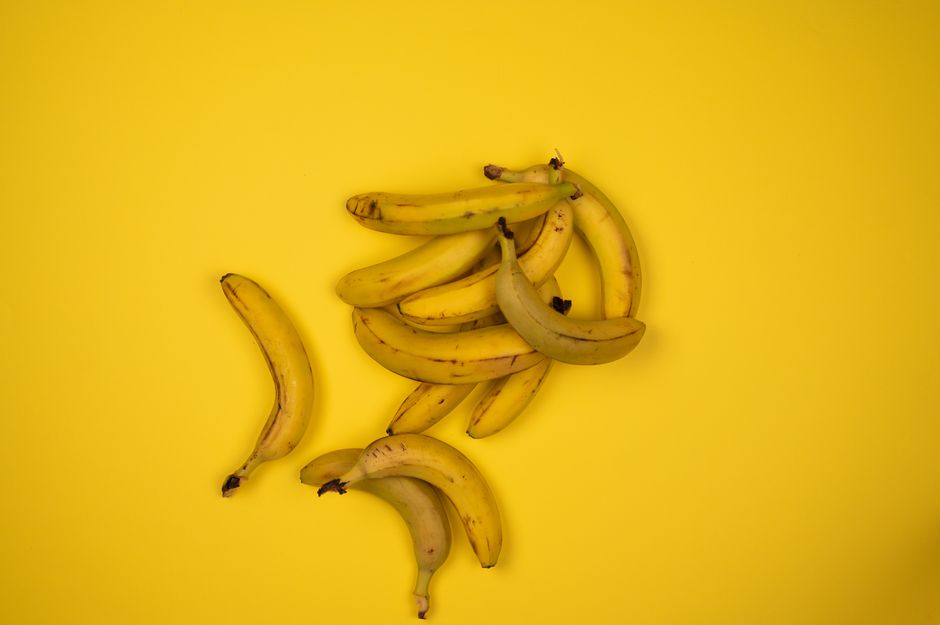
Most healthy adults can safely eat one to two bananas per day as part of a balanced diet. For most people, this amount provides beneficial nutrients like potassium and fiber without pushing sugar or calorie intake too high. Eating more than that on a regular basis is not dangerous for healthy people, but it can add unnecessary calories and carbohydrates to your daily total.
What Does One Banana Actually Contain?
A medium banana (about 7 to 8 inches long) contains roughly 105 calories, 27 grams of carbohydrates, and about 14 grams of natural sugar. It also provides about 3 grams of fiber and 422 milligrams of potassium.
These numbers come from the USDA FoodData Central database, which is the standard reference for nutrition information in the United States. A small banana has fewer calories and carbs, while an extra-large one has more.
The sugar in bananas is naturally occurring, not added sugar. That distinction matters because the body processes natural sugar in whole fruit differently than it processes added sugars found in soda or candy. The fiber in the banana slows digestion and helps prevent a rapid spike in blood sugar.
Is There a Maximum Safe Number?
There is no established maximum number of bananas that is considered unsafe for healthy adults. You would need to eat an extreme amount — far more than anyone normally would — to cause a dangerous potassium overload called hyperkalemia.
For context, healthy kidneys are very efficient at filtering excess potassium from the blood. A person with normal kidney function would need to eat dozens of bananas in a short period to approach dangerous potassium levels. This is not a realistic concern for most people.
The real limit is practical, not medical. Bananas are calorie-dense compared to many other fruits. A medium banana has about as many calories as a slice of bread. If you are watching your weight or managing blood sugar, you need to count those calories and carbohydrates just like any other food.
What About People With Diabetes or Prediabetes?
People with diabetes can eat bananas, but portion control matters more. A medium banana contains about 27 grams of carbohydrates, which is roughly two carbohydrate servings in a standard diabetic meal plan.
Blood sugar response varies by ripeness. A greener banana has more resistant starch, which digests more slowly and causes a smaller blood sugar rise. A fully ripe banana with brown spots has more free sugar and will raise blood sugar faster.
If you have diabetes, the safest approach is to check your blood sugar after eating a banana to see how your body responds. Some people can tolerate a whole banana, while others do better with half a banana paired with a protein source like Greek yogurt or nuts.
Can Potassium From Bananas Cause Problems?
Bananas are well known for their potassium content, and this is generally a benefit. Most American adults do not get enough potassium in their diets. The recommended daily intake for adults is about 2,600 to 3,400 milligrams depending on age and sex.
One medium banana covers roughly 10 to 15 percent of that daily need. Eating two bananas gets you to about a quarter of your daily potassium requirement.
However, certain groups need to be careful with potassium. People with chronic kidney disease, especially those on dialysis, may need to limit potassium intake. If you have kidney disease, your doctor or a renal dietitian should give you specific guidance about bananas and other high-potassium foods.
People taking certain blood pressure medications, particularly ACE inhibitors or potassium-sparing diuretics, may also need to monitor potassium intake. These medications can raise blood potassium levels, and combining them with a very high potassium diet could cause problems.
Do Bananas Help With Digestion or Weight Management?
Bananas contain about 3 grams of fiber per medium fruit. Most of this is soluble fiber, which helps soften stool and supports regular bowel movements. The resistant starch in less ripe bananas also feeds beneficial gut bacteria.
For weight management, bananas can be helpful or harmful depending on how they fit into your overall diet. They are more filling than many processed snacks because of their fiber and water content. A banana can satisfy a sweet craving for fewer calories than a candy bar or cookie.
But bananas are not a low-calorie food. If you are eating bananas on top of your normal meals without adjusting anything else, the extra calories can add up. One to two bananas per day is easy to fit into most calorie budgets. Five or six bananas per day is a significant calorie load that most people would need to account for.
How Many Bananas Should Athletes Eat?
Athletes and highly active people may need more carbohydrates and potassium than sedentary people. Bananas are a practical pre-workout or post-workout snack because they are portable, easy to digest, and provide quick energy.
Some research has looked at bananas as an alternative to sports drinks for endurance exercise. The evidence is limited but suggests bananas can provide comparable fuel for moderate exercise lasting about an hour. This is not a proven replacement for specialized sports nutrition in longer or more intense events.
For most recreational athletes, one banana before or after exercise is reasonable. Competitive athletes with high training volumes might eat two or three per day without issue, as long as total calorie and carbohydrate intake supports their training load.
What Are the Downsides of Eating Too Many Bananas?
Eating many bananas every day can lead to digestive discomfort. The fiber and sugar in bananas can cause bloating, gas, or loose stools in some people, especially if you are not used to eating a lot of fiber.
Weight gain is the most realistic downside. Bananas are not a free food. If you eat five or six bananas per day on top of your normal meals, you are adding roughly 500 to 600 extra calories. Over time, that can lead to gradual weight gain.
There is also the question of variety. Bananas are nutritious, but they do not contain everything your body needs. They are low in protein, fat, iron, calcium, and several vitamins. Relying heavily on bananas at the expense of other fruits and vegetables means missing out on nutrients found elsewhere.
How Many Bananas Do You Eat A Day? A Practical Answer
For most healthy adults, one to two bananas per day is a reasonable and healthy amount. This fits within standard dietary guidance for fruit intake, which recommends about two cups of fruit per day for adults. A medium banana counts as roughly one cup of fruit.
If you are healthy and active, you can likely eat more without harm. If you have diabetes, kidney disease, or are trying to lose weight, you may need to limit yourself to one per day or less.
The best approach is to treat bananas like any other food. They are nutritious, but they are not magical. Count them in your daily calorie and carbohydrate totals, and make sure you are eating a variety of other fruits and vegetables as well.
Frequently Asked Questions
Is it bad to eat a banana every day?
No, eating a banana every day is healthy for most people. It provides potassium, fiber, and vitamin B6 with minimal downsides.
Can eating too many bananas cause high potassium?
Healthy kidneys can handle the potassium from a normal banana intake without problems. Only people with kidney disease or those on certain blood pressure medications need to limit their intake.
Are bananas fattening?
Bananas are not fattening by themselves, but they do contain calories and carbohydrates. Eating many bananas on top of your normal diet can contribute to weight gain over time.
Is it better to eat bananas on an empty stomach?
Eating a banana on an empty stomach is fine for most people. If you have blood sugar concerns, pairing it with a protein source helps slow sugar absorption.
