
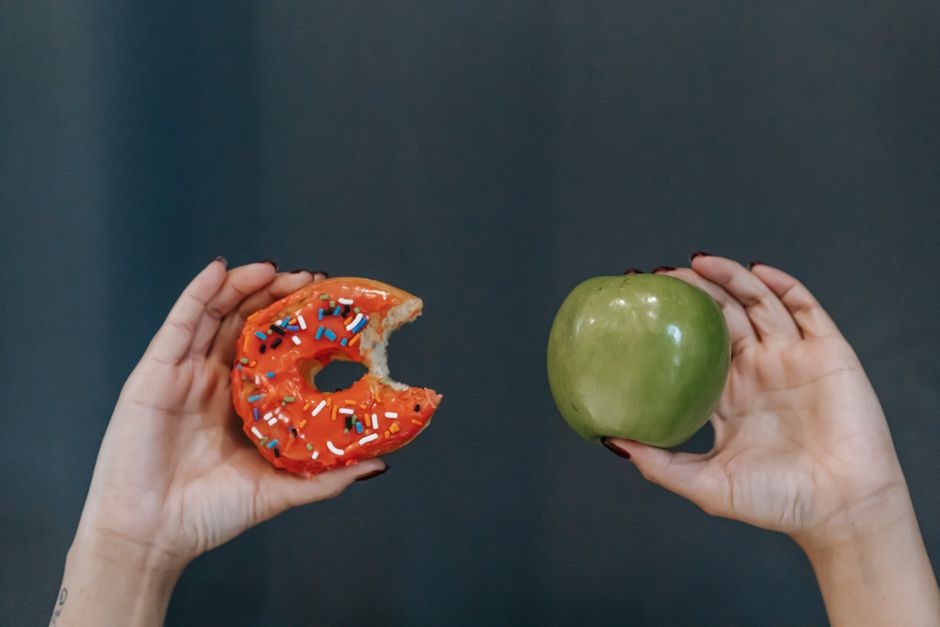
A standard glazed doughnut from a major chain contains roughly 240 to 270 calories. The exact number depends on the size and the recipe, but this range covers most commercial glazed doughnuts. A classic yeast-raised glazed doughnut weighs about 50 to 60 grams, and nearly half of its calories come from fat.
How Many Calories Is In A Glazed Doughnut
The most common glazed doughnut is the yeast-raised ring. Krispy Kreme’s original glazed doughnut has 190 calories. Dunkin’ Donuts’ glazed doughnut has 240 calories. These are the two most recognized chains in the US, and their numbers are frequently cited.
Local bakeries and grocery store bakeries often produce larger doughnuts. A bakery-style glazed doughnut can easily reach 300 to 350 calories. The dough is typically richer, and the glaze is applied more generously. Portion size is the single biggest factor in the calorie count.
What Makes Up the Calories in a Glazed Doughnut
A glazed doughnut is mostly refined flour, sugar, oil, and a small amount of egg and milk. The dough is fried, which means it absorbs oil. That oil is the primary source of fat and a major contributor to the total calorie count.
In a typical 240-calorie glazed doughnut, the macronutrient breakdown is approximately:
- Fat: 11 to 13 grams (about 100 to 120 calories)
- Carbohydrates: 28 to 32 grams (about 115 to 130 calories)
- Protein: 3 to 4 grams (about 12 to 16 calories)
The glaze itself is powdered sugar mixed with water or milk. It adds roughly 30 to 50 calories per doughnut, almost entirely from sugar. The doughnut is not a significant source of protein, fiber, or essential vitamins.
How Doughnut Size Changes the Calorie Count
Weight is the most reliable way to estimate calories. A 50-gram glazed doughnut has about 240 calories. A 70-gram doughnut has closer to 330 calories. The difference is often invisible to the eye.
Mini glazed doughnuts are a different story. A single mini doughnut weighs about 15 to 20 grams and has roughly 60 to 80 calories. They are easy to eat several at a time, and the total can add up quickly. A bag of six minis often equals or exceeds one full-size doughnut.
Cake doughnuts are denser than yeast doughnuts. They are made with a thicker batter that includes more fat and often more sugar. A glazed cake doughnut of the same weight will typically have 20 to 40 more calories than a yeast-raised one.





Comparing Glazed Doughnuts to Other Breakfast Items
It helps to put the number in context. A plain glazed doughnut is not the highest-calorie breakfast option, but it is also not a balanced one.
| Item | Approximate Calories |
|---|---|
| Glazed doughnut (chain, 50-60g) | 190-270 |
| Plain bagel (medium, 100g) | 270-290 |
| Buttered croissant (medium) | 250-300 |
| Bran muffin (bakery style) | 300-400 |
| Two scrambled eggs (large) | 180 |
| Oatmeal with water (1 cup cooked) | 150 |
The doughnut is comparable to a bagel in calories but offers far less satiety. The protein and fiber content are minimal, which means blood sugar rises quickly and hunger often returns sooner than it would after a more balanced meal.
Why the Glaze Matters More Than You Think
The glaze is not just sugar on top. It changes how the body processes the doughnut. The combination of refined flour and sugar creates a high glycemic load. That means blood glucose spikes quickly after eating.
Some research suggests that high-glycemic foods can trigger stronger hunger signals a few hours later. This is not a reason to avoid doughnuts entirely, but it explains why one doughnut can lead to another snack later in the morning.
The fat in the doughnut slows digestion slightly. That moderates the sugar spike a little, but not enough to make the doughnut a low-glycemic food. The overall effect is still a rapid rise in blood sugar.
Are There Healthier Glazed Doughnut Options
Some brands sell doughnuts labeled as “baked” rather than fried. Baked doughnuts are cooked in an oven, which reduces the oil absorption. A baked glazed doughnut can have 30 to 40 percent fewer calories than a fried one. The texture is different, and the taste is not identical, but the calorie savings are real.
Gluten-free and keto-style doughnuts exist, but they are not automatically lower in calories. Almond flour and other nut flours are calorie-dense. A keto glazed doughnut can have 300 or more calories. The macronutrient profile is different, but the total energy is often similar.
No clinical evidence suggests that any specific type of glazed doughnut is a health food. The honest position is that a doughnut is a treat. It is fine occasionally, but it should not be a daily breakfast staple.
How to Fit a Glazed Doughnut Into Your Day
If you want to enjoy a glazed doughnut without derailing your nutrition, portion control is the key factor. One doughnut is a reasonable treat. Two is a different situation.
Pairing the doughnut with a protein source can help blunt the blood sugar response. A glass of milk, a boiled egg, or Greek yogurt alongside the doughnut adds protein and fat, which slows digestion. This is a practical strategy, not a cure. It does not erase the calories, but it can reduce the mid-morning crash.
If you are tracking calories, log the doughnut honestly. A 240-calorie doughnut is roughly 10 to 12 percent of a 2,000-calorie daily intake. That is not trivial, but it is manageable within a balanced day.
How Often Can You Eat a Glazed Doughnut
There is no strict clinical rule for how often you can eat a doughnut. The evidence consistently shows that overall dietary pattern matters more than any single food. A person who eats a doughnut once a week and otherwise eats vegetables, lean protein, and whole grains is in a very different position than someone who eats a doughnut daily with a low-quality diet.
Some research links frequent consumption of fried foods and added sugars to higher risks of weight gain and metabolic issues. This is about frequency and total intake, not about the occasional doughnut. One doughnut per week is unlikely to move the needle on health outcomes for most people.
Frequently Asked Questions
How many calories are in a Krispy Kreme original glazed doughnut?
A Krispy Kreme original glazed doughnut has 190 calories. It is one of the lighter options among commercial glazed doughnuts because of its smaller size.
How many calories are in a Dunkin’ glazed doughnut?
A Dunkin’ glazed doughnut has 240 calories. The doughnut weighs slightly more than Krispy Kreme’s version, which explains the difference.
Are baked glazed doughnuts lower in calories than fried ones?
Yes, baked glazed doughnuts are typically 30 to 40 percent lower in calories. The reduction comes from less oil absorption during cooking.
How many calories are in a mini glazed doughnut?
A mini glazed doughnut has roughly 60 to 80 calories. Because they are small, it is easy to eat several without realizing the total.
