
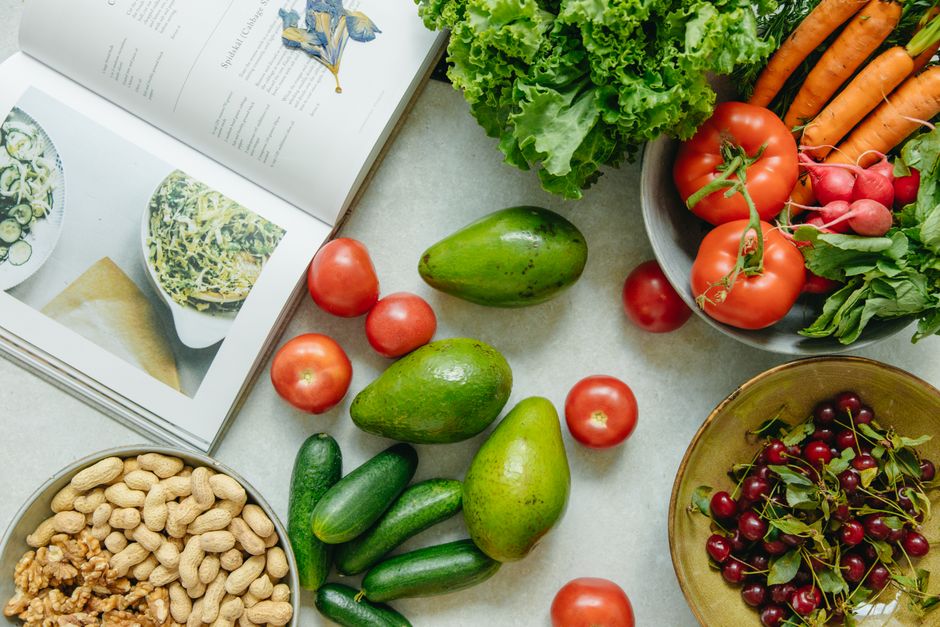
Most healthy adults can safely eat one avocado a day. That is the answer most nutrition researchers and dietitians settle on. Eating two or three avocados daily is not likely to harm you, but one provides the benefits without overdoing calories, fat, or fiber. The real question is not just how many you can eat, but how many fit into your total daily diet.
How Many Avocado In A Day Is Recommended?
One medium avocado a day is a reasonable target for most people. A medium avocado weighs about 150 grams and provides roughly 240 calories, 24 grams of fat, and 10 grams of fiber. These numbers come from USDA food composition data and are well established.
The evidence for daily avocado intake comes from studies looking at heart health and diet quality. Some research has found that people who eat avocados regularly tend to have better overall diet quality. That does not mean the avocado alone causes the improvement, but it is a consistent finding.
If you are eating a 2,000-calorie diet, one avocado represents about 12 percent of your daily calories. That is a meaningful amount, but it fits comfortably within most eating patterns. The fat in an avocado is mostly monounsaturated, which is the same type of fat found in olive oil.
What Happens If You Eat More Than One Avocado A Day?
Eating two avocados a day will not poison you. Your body will simply process the extra calories and fiber. The main consequences are practical ones: extra calories, more fiber than your gut may be used to, and a large amount of potassium.
A single medium avocado contains about 975 milligrams of potassium. The recommended daily intake for adults is 2,600 to 3,400 milligrams. Two avocados put you close to that target before you eat anything else. For people with kidney disease, that level of potassium can be a genuine concern. If you have chronic kidney disease, talk to your doctor before making avocados a daily habit.
The fiber is another practical issue. One avocado has about 10 grams of fiber, roughly a third of the daily recommended intake. Jumping from zero avocados to two a day can cause bloating, gas, and abdominal discomfort. Your gut bacteria need time to adjust to a sudden increase in fiber.
Weight gain is the most realistic downside. Avocados are calorie-dense. Two avocados add nearly 500 calories to your day. If you are not adjusting your other food intake to compensate, that surplus will show up on the scale over weeks and months.
Does Eating Avocado Daily Improve Your Health?
Research consistently shows that avocado consumption is linked to better heart health markers. Studies have found that replacing other fats with avocado can lower LDL cholesterol, which is the type linked to heart disease. This is not marketing language. It is a reproducible finding in controlled feeding studies.
The mechanism is not mysterious. Avocados are rich in monounsaturated fat and plant sterols, both of which influence cholesterol metabolism. They also contain antioxidants like lutein, which is associated with eye health, and potassium, which supports blood pressure regulation.
What the evidence does not show is that avocados are a miracle food. They are a nutrient-dense whole food that fits well into a balanced diet. They are not a treatment for any disease. No food is.
Some research suggests that eating avocado with other foods helps your body absorb fat-soluble vitamins like A, D, E, and K. The fat in the avocado acts as a carrier. This is a real physiological effect, and it is one reason avocados pair well with salads containing leafy greens.





Who Should Limit Avocado Intake?
People with kidney disease should be cautious with avocados. The potassium content is high enough to matter in renal diets. If you have been told to watch your potassium, avocados may need to be limited or avoided. This is established clinical guidance, not speculation.
People with irritable bowel syndrome may also need to be careful. Avocados contain a type of carbohydrate called polyols, which are FODMAPs. For some people with IBS, these carbohydrates trigger bloating and discomfort. The tolerance varies widely from person to person.
Anyone trying to lose weight should think about portion size. Avocados are healthy, but they are not low-calorie. A sensible approach is to eat half an avocado as a serving and save the other half for the next day. This is not a clinical guideline, but it is a practical strategy that many dietitians suggest.
People taking blood thinners should know that avocados contain vitamin K. A medium avocado provides about 21 micrograms, which is roughly 18 percent of the daily value. If you take warfarin, keeping your vitamin K intake consistent matters more than avoiding it entirely. Sudden changes in avocado consumption can affect your medication levels.
How Does Avocado Fit Into A Daily Meal Plan?
One avocado a day can be distributed across meals without much effort. Half an avocado on toast at breakfast uses half your daily target. The other half can go into a lunch salad or be sliced onto a dinner plate.
Avocado is versatile because it works in both savory and sweet contexts. It can replace butter in baking, thicken smoothies, or serve as a base for dips. The culinary flexibility makes it easy to include without getting bored.
The key is not to think of avocado as an addition to your diet, but as a replacement. If you add a daily avocado to an unchanged diet, you are adding calories. If you swap it for processed snacks or less healthy fats, you are improving your nutrient intake. The distinction matters.
Are There Risks From Eating Avocado Every Day?
For the general population, the risks are minimal. The most common issue is gastrointestinal discomfort from the fiber. Starting with half an avocado a day and gradually increasing gives your digestive system time to adapt.
Allergic reactions to avocado are possible but uncommon. People with a latex allergy may cross-react to avocado because of similar proteins. If you experience itching, swelling, or difficulty breathing after eating avocado, seek medical attention.
Avocado pits and skins are not meant to be eaten. The pit contains a compound called persin, which is toxic to some animals. Human toxicity from avocado pits is not well documented, but there is no reason to consume them. The flesh of the avocado is the edible part.
One common concern is that avocados contain too much fat. This reflects outdated thinking about dietary fat. The current evidence indicates that unsaturated fats, like those in avocados, are beneficial when they replace saturated fats and refined carbohydrates. The fat in avocados is not the problem. The total calorie balance is what matters.
What Does The Research Actually Show?
Several controlled studies have examined the effects of daily avocado consumption. One well-known study had participants eat one avocado per day as part of a moderate-fat diet. The results showed reductions in LDL cholesterol compared to a similar diet without avocado. This type of finding has been replicated.
Other research has looked at avocado intake and weight management. The findings are mixed. Some studies show no weight gain with daily avocado consumption, while others show modest weight gain when avocados are added without dietary adjustments. The difference comes down to whether participants compensated by eating less of other foods.
Population studies consistently link avocado eaters with better overall diet quality. People who eat avocados tend to eat more vegetables, fruits, and whole grains. This makes it hard to isolate the avocado effect from the overall dietary pattern. The honest interpretation is that avocados are part of a healthy diet, not the sole driver of health outcomes.
Frequently Asked Questions
Can eating two avocados a day be harmful?
For most healthy adults, two avocados a day is not harmful, but it adds about 480 calories and 20 grams of fiber to your day. The main risks are weight gain and digestive discomfort.
Is it better to eat half an avocado or a whole one?
Half an avocado is a reasonable serving for weight management, while a whole one fits well for most active adults. The better choice depends on your total calorie needs and what else you eat that day.
Does avocado cause weight gain?
Avocado causes weight gain only if it pushes your total calorie intake above what you burn. Replacing other foods with avocado is less likely to cause weight gain than adding it on top of your usual diet.
Can I eat avocado every day while pregnant?
Yes, avocado is safe and nutritious during pregnancy when eaten as part of a balanced diet. The folate and potassium in avocados are beneficial, but discuss your overall diet with your prenatal care provider.
